
Get trending papers in your email inbox once a day!
Get trending papers in your email inbox!
Subscribe


Towards Reliable Evaluation of Behavior Steering Interventions in LLMs
Representation engineering methods have recently shown promise for enabling efficient steering of model behavior. However, evaluation pipelines for these methods have primarily relied on subjective demonstrations, instead of quantitative, objective metrics. We aim to take a step towards addressing this issue by advocating for four properties missing from current evaluations: (i) contexts sufficiently similar to downstream tasks should be used for assessing intervention quality; (ii) model likelihoods should be accounted for; (iii) evaluations should allow for standardized comparisons across different target behaviors; and (iv) baseline comparisons should be offered. We introduce an evaluation pipeline grounded in these criteria, offering both a quantitative and visual analysis of how effectively a given method works. We use this pipeline to evaluate two representation engineering methods on how effectively they can steer behaviors such as truthfulness and corrigibility, finding that some interventions are less effective than previously reported.

Think Twice: Enhancing LLM Reasoning by Scaling Multi-round Test-time Thinking
Recent advances in large language models (LLMs), such as OpenAI-o1 and DeepSeek-R1, have demonstrated the effectiveness of test-time scaling, where extended reasoning processes substantially enhance model performance. Despite this, current models are constrained by limitations in handling long texts and reinforcement learning (RL) training efficiency. To address these issues, we propose a simple yet effective test-time scaling approach Multi-round Thinking. This method iteratively refines model reasoning by leveraging previous answers as prompts for subsequent rounds. Extensive experiments across multiple models, including QwQ-32B and DeepSeek-R1, consistently show performance improvements on various benchmarks such as AIME 2024, MATH-500, GPQA-diamond, and LiveCodeBench. For instance, the accuracy of QwQ-32B improved from 80.3% (Round 1) to 82.1% (Round 2) on the AIME 2024 dataset, while DeepSeek-R1 showed a similar increase from 79.7% to 82.0%. These results confirm that Multi-round Thinking is a broadly applicable, straightforward approach to achieving stable enhancements in model performance, underscoring its potential for future developments in test-time scaling techniques. The key prompt: {Original question prompt} The assistant's previous answer is: <answer> {last round answer} </answer>, and please re-answer.

ToolHop: A Query-Driven Benchmark for Evaluating Large Language Models in Multi-Hop Tool Use
Effective evaluation of multi-hop tool use is critical for analyzing the understanding, reasoning, and function-calling capabilities of large language models (LLMs). However, progress has been hindered by a lack of reliable evaluation datasets. To address this, we present ToolHop, a dataset comprising 995 user queries and 3,912 associated tools, specifically designed for rigorous evaluation of multi-hop tool use. ToolHop ensures diverse queries, meaningful interdependencies, locally executable tools, detailed feedback, and verifiable answers through a novel query-driven data construction approach that includes tool creation, document refinement, and code generation. We evaluate 14 LLMs across five model families (i.e., LLaMA3.1, Qwen2.5, Gemini1.5, Claude3.5, and GPT), uncovering significant challenges in handling multi-hop tool-use scenarios. The leading model, GPT-4o, achieves an accuracy of 49.04%, underscoring substantial room for improvement. Further analysis reveals variations in tool-use strategies for various families, offering actionable insights to guide the development of more effective approaches. Code and data can be found in https://huggingface.co/bytedance-research/ToolHop.



ChatGPT4PCG 2 Competition: Prompt Engineering for Science Birds Level Generation
This paper presents the second ChatGPT4PCG competition at the 2024 IEEE Conference on Games. In this edition of the competition, we follow the first edition, but make several improvements and changes. We introduce a new evaluation metric along with allowing a more flexible format for participants' submissions and making several improvements to the evaluation pipeline. Continuing from the first edition, we aim to foster and explore the realm of prompt engineering (PE) for procedural content generation (PCG). While the first competition saw success, it was hindered by various limitations; we aim to mitigate these limitations in this edition. We introduce diversity as a new metric to discourage submissions aimed at producing repetitive structures. Furthermore, we allow submission of a Python program instead of a prompt text file for greater flexibility in implementing advanced PE approaches, which may require control flow, including conditions and iterations. We also make several improvements to the evaluation pipeline with a better classifier for similarity evaluation and better-performing function signatures. We thoroughly evaluate the effectiveness of the new metric and the improved classifier. Additionally, we perform an ablation study to select a function signature to instruct ChatGPT for level generation. Finally, we provide implementation examples of various PE techniques in Python and evaluate their preliminary performance. We hope this competition serves as a resource and platform for learning about PE and PCG in general.


SWE-Factory: Your Automated Factory for Issue Resolution Training Data and Evaluation Benchmarks
Constructing large-scale datasets for the GitHub issue resolution task is crucial for both training and evaluating the software engineering capabilities of Large Language Models (LLMs). However, the traditional process for creating such benchmarks is notoriously challenging and labor-intensive, particularly in the stages of setting up evaluation environments, grading test outcomes, and validating task instances. In this paper, we propose SWE-Factory, an automated pipeline designed to address these challenges. To tackle these issues, our pipeline integrates three core automated components. First, we introduce SWE-Builder, a multi-agent system that automates evaluation environment construction, which employs four specialized agents that work in a collaborative, iterative loop and leverages an environment memory pool to enhance efficiency. Second, we introduce a standardized, exit-code-based grading method that eliminates the need for manually writing custom parsers. Finally, we automate the fail2pass validation process using these reliable exit code signals. Experiments on 671 issues across four programming languages show that our pipeline can effectively construct valid task instances; for example, with GPT-4.1-mini, our SWE-Builder constructs 269 valid instances at 0.045 per instance, while with Gemini-2.5-flash, it achieves comparable performance at the lowest cost of 0.024 per instance. We also demonstrate that our exit-code-based grading achieves 100% accuracy compared to manual inspection, and our automated fail2pass validation reaches a precision of 0.92 and a recall of 1.00. We hope our automated pipeline will accelerate the collection of large-scale, high-quality GitHub issue resolution datasets for both training and evaluation. Our code and datasets are released at https://github.com/DeepSoftwareAnalytics/swe-factory.

Benchmarking Foundation Models with Language-Model-as-an-Examiner
Numerous benchmarks have been established to assess the performance of foundation models on open-ended question answering, which serves as a comprehensive test of a model's ability to understand and generate language in a manner similar to humans. Most of these works focus on proposing new datasets, however, we see two main issues within previous benchmarking pipelines, namely testing leakage and evaluation automation. In this paper, we propose a novel benchmarking framework, Language-Model-as-an-Examiner, where the LM serves as a knowledgeable examiner that formulates questions based on its knowledge and evaluates responses in a reference-free manner. Our framework allows for effortless extensibility as various LMs can be adopted as the examiner, and the questions can be constantly updated given more diverse trigger topics. For a more comprehensive and equitable evaluation, we devise three strategies: (1) We instruct the LM examiner to generate questions across a multitude of domains to probe for a broad acquisition, and raise follow-up questions to engage in a more in-depth assessment. (2) Upon evaluation, the examiner combines both scoring and ranking measurements, providing a reliable result as it aligns closely with human annotations. (3) We additionally propose a decentralized Peer-examination method to address the biases in a single examiner. Our data and benchmarking results are available at: https://lmexam.com.



LMMs-Eval: Reality Check on the Evaluation of Large Multimodal Models
The advances of large foundation models necessitate wide-coverage, low-cost, and zero-contamination benchmarks. Despite continuous exploration of language model evaluations, comprehensive studies on the evaluation of Large Multi-modal Models (LMMs) remain limited. In this work, we introduce LMMS-EVAL, a unified and standardized multimodal benchmark framework with over 50 tasks and more than 10 models to promote transparent and reproducible evaluations. Although LMMS-EVAL offers comprehensive coverage, we find it still falls short in achieving low cost and zero contamination. To approach this evaluation trilemma, we further introduce LMMS-EVAL LITE, a pruned evaluation toolkit that emphasizes both coverage and efficiency. Additionally, we present Multimodal LIVEBENCH that utilizes continuously updating news and online forums to assess models' generalization abilities in the wild, featuring a low-cost and zero-contamination evaluation approach. In summary, our work highlights the importance of considering the evaluation trilemma and provides practical solutions to navigate the trade-offs in evaluating large multi-modal models, paving the way for more effective and reliable benchmarking of LMMs. We opensource our codebase and maintain leaderboard of LIVEBENCH at https://github.com/EvolvingLMMs-Lab/lmms-eval and https://huggingface.co/spaces/lmms-lab/LiveBench.





CoFE-RAG: A Comprehensive Full-chain Evaluation Framework for Retrieval-Augmented Generation with Enhanced Data Diversity
Retrieval-Augmented Generation (RAG) aims to enhance large language models (LLMs) to generate more accurate and reliable answers with the help of the retrieved context from external knowledge sources, thereby reducing the incidence of hallucinations. Despite the advancements, evaluating these systems remains a crucial research area due to the following issues: (1) Limited data diversity: The insufficient diversity of knowledge sources and query types constrains the applicability of RAG systems; (2) Obscure problems location: Existing evaluation methods have difficulty in locating the stage of the RAG pipeline where problems occur; (3) Unstable retrieval evaluation: These methods often fail to effectively assess retrieval performance, particularly when the chunking strategy changes. To tackle these challenges, we propose a Comprehensive Full-chain Evaluation (CoFE-RAG) framework to facilitate thorough evaluation across the entire RAG pipeline, including chunking, retrieval, reranking, and generation. To effectively evaluate the first three phases, we introduce multi-granularity keywords, including coarse-grained and fine-grained keywords, to assess the retrieved context instead of relying on the annotation of golden chunks. Moreover, we release a holistic benchmark dataset tailored for diverse data scenarios covering a wide range of document formats and query types. We demonstrate the utility of the CoFE-RAG framework by conducting experiments to evaluate each stage of RAG systems. Our evaluation method provides unique insights into the effectiveness of RAG systems in handling diverse data scenarios, offering a more nuanced understanding of their capabilities and limitations.
Pipeline and Dataset Generation for Automated Fact-checking in Almost Any Language
This article presents a pipeline for automated fact-checking leveraging publicly available Language Models and data. The objective is to assess the accuracy of textual claims using evidence from a ground-truth evidence corpus. The pipeline consists of two main modules -- the evidence retrieval and the claim veracity evaluation. Our primary focus is on the ease of deployment in various languages that remain unexplored in the field of automated fact-checking. Unlike most similar pipelines, which work with evidence sentences, our pipeline processes data on a paragraph level, simplifying the overall architecture and data requirements. Given the high cost of annotating language-specific fact-checking training data, our solution builds on the Question Answering for Claim Generation (QACG) method, which we adapt and use to generate the data for all models of the pipeline. Our strategy enables the introduction of new languages through machine translation of only two fixed datasets of moderate size. Subsequently, any number of training samples can be generated based on an evidence corpus in the target language. We provide open access to all data and fine-tuned models for Czech, English, Polish, and Slovak pipelines, as well as to our codebase that may be used to reproduce the results.We comprehensively evaluate the pipelines for all four languages, including human annotations and per-sample difficulty assessment using Pointwise V-information. The presented experiments are based on full Wikipedia snapshots to promote reproducibility. To facilitate implementation and user interaction, we develop the FactSearch application featuring the proposed pipeline and the preliminary feedback on its performance.


Learning to Align Multi-Faceted Evaluation: A Unified and Robust Framework
Large Language Models (LLMs) are being used more and more extensively for automated evaluation in various scenarios. Previous studies have attempted to fine-tune open-source LLMs to replicate the evaluation explanations and judgments of powerful proprietary models, such as GPT-4. However, these methods are largely limited to text-based analyses under predefined general criteria, resulting in reduced adaptability for unseen instructions and demonstrating instability in evaluating adherence to quantitative and structural constraints. To address these limitations, we propose a novel evaluation framework, ARJudge, that adaptively formulates evaluation criteria and synthesizes both text-based and code-driven analyses to evaluate LLM responses. ARJudge consists of two components: a fine-tuned Analyzer that generates multi-faceted evaluation analyses and a tuning-free Refiner that combines and refines all analyses to make the final judgment. We construct a Composite Analysis Corpus that integrates tasks for evaluation criteria generation alongside text-based and code-driven analysis generation to train the Analyzer. Our results demonstrate that ARJudge outperforms existing fine-tuned evaluators in effectiveness and robustness. Furthermore, it demonstrates the importance of multi-faceted evaluation and code-driven analyses in enhancing evaluation capabilities.


Does Context Matter? ContextualJudgeBench for Evaluating LLM-based Judges in Contextual Settings
The large language model (LLM)-as-judge paradigm has been used to meet the demand for a cheap, reliable, and fast evaluation of model outputs during AI system development and post-deployment monitoring. While judge models -- LLMs finetuned to specialize in assessing and critiquing model outputs -- have been touted as general purpose evaluators, they are typically evaluated only on non-contextual scenarios, such as instruction following. The omission of contextual settings -- those where external information is used as context to generate an output -- is surprising given the increasing prevalence of retrieval-augmented generation (RAG) and summarization use cases. Contextual assessment is uniquely challenging, as evaluation often depends on practitioner priorities, leading to conditional evaluation criteria (e.g., comparing responses based on factuality and then considering completeness if they are equally factual). To address the gap, we propose ContextualJudgeBench, a judge benchmark with 2,000 challenging response pairs across eight splits inspired by real-world contextual evaluation scenarios. We build our benchmark with a multi-pronged data construction pipeline that leverages both existing human annotations and model-based perturbations. Our comprehensive study across 11 judge models and 9 general purpose models, reveals that the contextual information and its assessment criteria present a significant challenge to even state-of-the-art models. For example, OpenAI's o1, the best-performing model, barely reaches 55% consistent accuracy.
OmniEval: An Omnidirectional and Automatic RAG Evaluation Benchmark in Financial Domain
As a typical and practical application of Large Language Models (LLMs), Retrieval-Augmented Generation (RAG) techniques have gained extensive attention, particularly in vertical domains where LLMs may lack domain-specific knowledge. In this paper, we introduce an omnidirectional and automatic RAG benchmark, OmniEval, in the financial domain. Our benchmark is characterized by its multi-dimensional evaluation framework, including (1) a matrix-based RAG scenario evaluation system that categorizes queries into five task classes and 16 financial topics, leading to a structured assessment of diverse query scenarios; (2) a multi-dimensional evaluation data generation approach, which combines GPT-4-based automatic generation and human annotation, achieving an 87.47\% acceptance ratio in human evaluations on generated instances; (3) a multi-stage evaluation system that evaluates both retrieval and generation performance, result in a comprehensive evaluation on the RAG pipeline; and (4) robust evaluation metrics derived from rule-based and LLM-based ones, enhancing the reliability of assessments through manual annotations and supervised fine-tuning of an LLM evaluator. Our experiments demonstrate the comprehensiveness of OmniEval, which includes extensive test datasets and highlights the performance variations of RAG systems across diverse topics and tasks, revealing significant opportunities for RAG models to improve their capabilities in vertical domains. We open source the code of our benchmark in https://github.com/RUC-NLPIR/OmniEval{https://github.com/RUC-NLPIR/OmniEval}.




StructFlowBench: A Structured Flow Benchmark for Multi-turn Instruction Following
Multi-turn instruction following capability constitutes a core competency of large language models (LLMs) in real-world applications. Existing evaluation benchmarks predominantly focus on fine-grained constraint satisfaction and domain-specific capability assessment, yet overlook the crucial structural dependency between dialogue turns that distinguishes multi-turn from single-turn interactions. This structural dependency not only reflects user intent but also establishes a second dimension for instruction following evaluation beyond constraint satisfaction. To address this gap, we propose StructFlowBench, a multi-turn instruction following benchmark with structural flow modeling. The benchmark innovatively defines a structural flow framework comprising six fundamental inter-turn relationships, which not only introduces novel structural constraints for model evaluation but also serves as generation parameters for creating customized dialogue flows tailored to specific scenarios. Adopting established LLM-based automatic evaluation methodologies, we conduct systematic evaluations of 13 leading open-source and closed-source LLMs. Experimental results reveal significant deficiencies in current models' comprehension of multi-turn dialogue structures. The code is available at https://github.com/MLGroupJLU/StructFlowBench.


Large Language Models are not Fair Evaluators
In this paper, we uncover a systematic bias in the evaluation paradigm of adopting large language models~(LLMs), e.g., GPT-4, as a referee to score and compare the quality of responses generated by candidate models. We find that the quality ranking of candidate responses can be easily hacked by simply altering their order of appearance in the context. This manipulation allows us to skew the evaluation result, making one model appear considerably superior to the other, e.g., Vicuna-13B could beat ChatGPT on 66 over 80 tested queries with ChatGPT as an evaluator. To address this issue, we propose a calibration framework with three simple yet effective strategies: 1) Multiple Evidence Calibration, which requires the evaluator model to generate multiple evaluation evidence before assigning ratings; 2) Balanced Position Calibration, which aggregates results across various orders to determine the final score; 3) Human-in-the-Loop Calibration, which introduces a balanced position diversity entropy to measure the difficulty of each example and seeks human assistance when needed. We also manually annotate the "win/tie/lose" outcomes of responses from ChatGPT and Vicuna-13B in the Vicuna Benchmark's question prompt, and extensive experiments demonstrate that our approach successfully mitigates evaluation bias, resulting in closer alignment with human judgments. We release our code and human annotation at https://github.com/i-Eval/FairEval to facilitate future research.



Adaptively evaluating models with task elicitation
Manual curation of evaluation datasets is struggling to keep up with the rapidly expanding capabilities and deployment scenarios of language models. Towards scalable model profiling, we introduce and validate a framework for evaluating LLMs, called Adaptive Evaluations. Adaptive evaluations use scaffolded language models (evaluator agents) to search through a target model's behavior on a domain dataset and create difficult questions (tasks) that can discover and probe the model's failure modes. We find that frontier models lack consistency when adaptively probed with our framework on a diverse suite of datasets and tasks, including but not limited to legal reasoning, forecasting, and online harassment. Generated questions pass human validity checks and often transfer to other models with different capability profiles, demonstrating that adaptive evaluations can also be used to create difficult domain-specific datasets.
TF1-EN-3M: Three Million Synthetic Moral Fables for Training Small, Open Language Models
Moral stories are a time-tested vehicle for transmitting values, yet modern NLP lacks a large, structured corpus that couples coherent narratives with explicit ethical lessons. We close this gap with TF1-EN-3M, the first open dataset of three million English-language fables generated exclusively by instruction-tuned models no larger than 8B parameters. Each story follows a six-slot scaffold (character -> trait -> setting -> conflict -> resolution -> moral), produced through a combinatorial prompt engine that guarantees genre fidelity while covering a broad thematic space. A hybrid evaluation pipeline blends (i) a GPT-based critic that scores grammar, creativity, moral clarity, and template adherence with (ii) reference-free diversity and readability metrics. Among ten open-weight candidates, an 8B-parameter Llama-3 variant delivers the best quality-speed trade-off, producing high-scoring fables on a single consumer GPU (<24 GB VRAM) at approximately 13.5 cents per 1,000 fables. We release the dataset, generation code, evaluation scripts, and full metadata under a permissive license, enabling exact reproducibility and cost benchmarking. TF1-EN-3M opens avenues for research in instruction following, narrative intelligence, value alignment, and child-friendly educational AI, demonstrating that large-scale moral storytelling no longer requires proprietary giant models.


UiS-IAI@LiveRAG: Retrieval-Augmented Information Nugget-Based Generation of Responses
Retrieval-augmented generation (RAG) faces challenges related to factual correctness, source attribution, and response completeness. The LiveRAG Challenge hosted at SIGIR'25 aims to advance RAG research using a fixed corpus and a shared, open-source LLM. We propose a modular pipeline that operates on information nuggets-minimal, atomic units of relevant information extracted from retrieved documents. This multistage pipeline encompasses query rewriting, passage retrieval and reranking, nugget detection and clustering, cluster ranking and summarization, and response fluency enhancement. This design inherently promotes grounding in specific facts, facilitates source attribution, and ensures maximum information inclusion within length constraints. In this challenge, we extend our focus to also address the retrieval component of RAG, building upon our prior work on multi-faceted query rewriting. Furthermore, for augmented generation, we concentrate on improving context curation capabilities, maximizing the breadth of information covered in the response while ensuring pipeline efficiency. Our results show that combining original queries with a few sub-query rewrites boosts recall, while increasing the number of documents used for reranking and generation beyond a certain point reduces effectiveness, without improving response quality.
Call for Papers -- The BabyLM Challenge: Sample-efficient pretraining on a developmentally plausible corpus
We present the call for papers for the BabyLM Challenge: Sample-efficient pretraining on a developmentally plausible corpus. This shared task is intended for participants with an interest in small scale language modeling, human language acquisition, low-resource NLP, and cognitive modeling. In partnership with CoNLL and CMCL, we provide a platform for approaches to pretraining with a limited-size corpus sourced from data inspired by the input to children. The task has three tracks, two of which restrict the training data to pre-released datasets of 10M and 100M words and are dedicated to explorations of approaches such as architectural variations, self-supervised objectives, or curriculum learning. The final track only restricts the amount of text used, allowing innovation in the choice of the data, its domain, and even its modality (i.e., data from sources other than text is welcome). We will release a shared evaluation pipeline which scores models on a variety of benchmarks and tasks, including targeted syntactic evaluations and natural language understanding.


SpreadsheetBench: Towards Challenging Real World Spreadsheet Manipulation
We introduce SpreadsheetBench, a challenging spreadsheet manipulation benchmark exclusively derived from real-world scenarios, designed to immerse current large language models (LLMs) in the actual workflow of spreadsheet users. Unlike existing benchmarks that rely on synthesized queries and simplified spreadsheet files, SpreadsheetBench is built from 912 real questions gathered from online Excel forums, which reflect the intricate needs of users. The associated spreadsheets from the forums contain a variety of tabular data such as multiple tables, non-standard relational tables, and abundant non-textual elements. Furthermore, we propose a more reliable evaluation metric akin to online judge platforms, where multiple spreadsheet files are created as test cases for each instruction, ensuring the evaluation of robust solutions capable of handling spreadsheets with varying values. Our comprehensive evaluation of various LLMs under both single-round and multi-round inference settings reveals a substantial gap between the state-of-the-art (SOTA) models and human performance, highlighting the benchmark's difficulty.
MEGA-Bench: Scaling Multimodal Evaluation to over 500 Real-World Tasks
We present MEGA-Bench, an evaluation suite that scales multimodal evaluation to over 500 real-world tasks, to address the highly heterogeneous daily use cases of end users. Our objective is to optimize for a set of high-quality data samples that cover a highly diverse and rich set of multimodal tasks, while enabling cost-effective and accurate model evaluation. In particular, we collected 505 realistic tasks encompassing over 8,000 samples from 16 expert annotators to extensively cover the multimodal task space. Instead of unifying these problems into standard multi-choice questions (like MMMU, MMBench, and MMT-Bench), we embrace a wide range of output formats like numbers, phrases, code, \LaTeX, coordinates, JSON, free-form, etc. To accommodate these formats, we developed over 40 metrics to evaluate these tasks. Unlike existing benchmarks, MEGA-Bench offers a fine-grained capability report across multiple dimensions (e.g., application, input type, output format, skill), allowing users to interact with and visualize model capabilities in depth. We evaluate a wide variety of frontier vision-language models on MEGA-Bench to understand their capabilities across these dimensions.




Eka-Eval : A Comprehensive Evaluation Framework for Large Language Models in Indian Languages
The rapid advancement of Large Language Models (LLMs) has intensified the need for evaluation frameworks that go beyond English centric benchmarks and address the requirements of linguistically diverse regions such as India. We present EKA-EVAL, a unified and production-ready evaluation framework that integrates over 35 benchmarks, including 10 Indic-specific datasets, spanning categories like reasoning, mathematics, tool use, long-context understanding, and reading comprehension. Compared to existing Indian language evaluation tools, EKA-EVAL offers broader benchmark coverage, with built-in support for distributed inference, quantization, and multi-GPU usage. Our systematic comparison positions EKA-EVAL as the first end-to-end, extensible evaluation suite tailored for both global and Indic LLMs, significantly lowering the barrier to multilingual benchmarking. The framework is open-source and publicly available at https://github.com/lingo-iitgn/ eka-eval and a part of ongoing EKA initiative (https://eka.soket.ai), which aims to scale up to over 100 benchmarks and establish a robust, multilingual evaluation ecosystem for LLMs.


MM-Vet: Evaluating Large Multimodal Models for Integrated Capabilities
We propose MM-Vet, an evaluation benchmark that examines large multimodal models (LMMs) on complicated multimodal tasks. Recent LMMs have shown various intriguing abilities, such as solving math problems written on the blackboard, reasoning about events and celebrities in news images, and explaining visual jokes. Rapid model advancements pose challenges to evaluation benchmark development. Problems include: (1) How to systematically structure and evaluate the complicated multimodal tasks; (2) How to design evaluation metrics that work well across question and answer types; and (3) How to give model insights beyond a simple performance ranking. To this end, we present MM-Vet, designed based on the insight that the intriguing ability to solve complicated tasks is often achieved by a generalist model being able to integrate different core vision-language (VL) capabilities. MM-Vet defines 6 core VL capabilities and examines the 16 integrations of interest derived from the capability combination. For evaluation metrics, we propose an LLM-based evaluator for open-ended outputs. The evaluator enables the evaluation across different question types and answer styles, resulting in a unified scoring metric. We evaluate representative LMMs on MM-Vet, providing insights into the capabilities of different LMM system paradigms and models. Code and data are available at https://github.com/yuweihao/MM-Vet.



Eureka: Evaluating and Understanding Large Foundation Models
Rigorous and reproducible evaluation is critical for assessing the state of the art and for guiding scientific advances in Artificial Intelligence. Evaluation is challenging in practice due to several reasons, including benchmark saturation, lack of transparency in methods used for measurement, development challenges in extracting measurements for generative tasks, and, more generally, the extensive number of capabilities required for a well-rounded comparison across models. We make three contributions to alleviate the above challenges. First, we present Eureka, an open-source framework for standardizing evaluations of large foundation models beyond single-score reporting and rankings. Second, we introduce Eureka-Bench as an extensible collection of benchmarks testing capabilities that (i) are still challenging for state-of-the-art models and (ii) represent fundamental but overlooked language and multimodal capabilities. The inherent space for improvement in non-saturated benchmarks enables us to discover meaningful differences between models at a capability level. Third, using Eureka, we conduct an analysis of 12 state-of-the-art models, providing in-depth insights into failure understanding and model comparison, which can be leveraged to plan targeted improvements. In contrast to recent trends in reports and leaderboards showing absolute rankings and claims for one model or another to be the best, our analysis shows that there is no such best model. Different models have different strengths, but there are models that appear more often than others as best performers for some capabilities. Despite the recent improvements, current models still struggle with several fundamental capabilities including detailed image understanding, benefiting from multimodal input when available rather than fully relying on language, factuality and grounding for information retrieval, and over refusals.


P-MMEval: A Parallel Multilingual Multitask Benchmark for Consistent Evaluation of LLMs
Recent advancements in large language models (LLMs) showcase varied multilingual capabilities across tasks like translation, code generation, and reasoning. Previous assessments often limited their scope to fundamental natural language processing (NLP) or isolated capability-specific tasks. To alleviate this drawback, we aim to present a comprehensive multilingual multitask benchmark. First, we present a pipeline for selecting available and reasonable benchmarks from massive ones, addressing the oversight in previous work regarding the utility of these benchmarks, i.e., their ability to differentiate between models being evaluated. Leveraging this pipeline, we introduce P-MMEval, a large-scale benchmark covering effective fundamental and capability-specialized datasets. Furthermore, P-MMEval delivers consistent language coverage across various datasets and provides parallel samples. Finally, we conduct extensive experiments on representative multilingual model series to compare performances across models, analyze dataset effectiveness, examine prompt impacts on model performances, and explore the relationship between multilingual performances and factors such as tasks, model sizes, and languages. These insights offer valuable guidance for future research. The dataset is available at https://huggingface.co/datasets/Qwen/P-MMEval.
State of What Art? A Call for Multi-Prompt LLM Evaluation
Recent advances in large language models (LLMs) have led to the development of various evaluation benchmarks. These benchmarks typically rely on a single instruction template for evaluating all LLMs on a specific task. In this paper, we comprehensively analyze the brittleness of results obtained via single-prompt evaluations across 6.5M instances, involving 20 different LLMs and 39 tasks from 3 benchmarks. To improve robustness of the analysis, we propose to evaluate LLMs with a set of diverse prompts instead. We discuss tailored evaluation metrics for specific use cases (e.g., LLM developers vs. developers interested in a specific downstream task), ensuring a more reliable and meaningful assessment of LLM capabilities. We then implement these criteria and conduct evaluations of multiple models, providing insights into the true strengths and limitations of current LLMs.


MINT: Evaluating LLMs in Multi-turn Interaction with Tools and Language Feedback
To solve complex tasks, large language models (LLMs) often require multiple rounds of interactions with the user, sometimes assisted by external tools. However, current evaluation protocols often emphasize benchmark performance with single-turn exchanges, neglecting the nuanced interactions among the user, LLMs, and external tools, while also underestimating the importance of natural language feedback from users. These oversights contribute to discrepancies between research benchmark evaluations and real-world use cases. We introduce MINT, a benchmark that evaluates LLMs' ability to solve tasks with multi-turn interactions by (1) using tools and (2) leveraging natural language feedback. To ensure reproducibility, we provide an evaluation framework where LLMs can access tools by executing Python code and receive users' natural language feedback simulated by GPT-4. We repurpose a diverse set of established evaluation datasets focusing on reasoning, coding, and decision-making and carefully curate them into a compact subset for efficient evaluation. Our analysis of 20 open- and closed-source LLMs offers intriguing findings. (a) LLMs generally benefit from tools and language feedback, with performance gains (absolute, same below) of 1-8% for each turn of tool use and 2-17% with natural language feedback. (b) Better single-turn performance does not guarantee better multi-turn performance. (c) Surprisingly, on the LLMs evaluated, supervised instruction-finetuning (SIFT) and reinforcement learning from human feedback (RLHF) generally hurt multi-turn capabilities. We expect MINT can help measure progress and incentivize research in improving LLMs' capabilities in multi-turn interactions, especially for open-source communities where multi-turn human evaluation can be less accessible compared to commercial LLMs with a larger user base.


Rethinking Round-Trip Translation for Machine Translation Evaluation
Automatic evaluation on low-resource language translation suffers from a deficiency of parallel corpora. Round-trip translation could be served as a clever and straightforward technique to alleviate the requirement of the parallel evaluation corpus. However, there was an observation of obscure correlations between the evaluation scores by forward and round-trip translations in the era of statistical machine translation (SMT). In this paper, we report the surprising finding that round-trip translation can be used for automatic evaluation without the references. Firstly, our revisit on the round-trip translation in SMT evaluation unveils that its long-standing misunderstanding is essentially caused by copying mechanism. After removing copying mechanism in SMT, round-trip translation scores can appropriately reflect the forward translation performance. Then, we demonstrate the rectification is overdue as round-trip translation could benefit multiple machine translation evaluation tasks. To be more specific, round-trip translation could be used i) to predict corresponding forward translation scores; ii) to improve the performance of the recently advanced quality estimation model; and iii) to identify adversarial competitors in shared tasks via cross-system verification.
WideSearch: Benchmarking Agentic Broad Info-Seeking
From professional research to everyday planning, many tasks are bottlenecked by wide-scale information seeking, which is more repetitive than cognitively complex. With the rapid development of Large Language Models (LLMs), automated search agents powered by LLMs offer a promising solution to liberate humans from this tedious work. However, the capability of these agents to perform such "wide-context" collection reliably and completely remains largely unevaluated due to a lack of suitable benchmarks. To bridge this gap, we introduce WideSearch, a new benchmark engineered to evaluate agent reliability on these large-scale collection tasks. The benchmark features 200 manually curated questions (100 in English, 100 in Chinese) from over 15 diverse domains, grounded in real user queries. Each task requires agents to collect large-scale atomic information, which could be verified one by one objectively, and arrange it into a well-organized output. A rigorous five-stage quality control pipeline ensures the difficulty, completeness, and verifiability of the dataset. We benchmark over 10 state-of-the-art agentic search systems, including single-agent, multi-agent frameworks, and end-to-end commercial systems. Most systems achieve overall success rates near 0\%, with the best performer reaching just 5\%. However, given sufficient time, cross-validation by multiple human testers can achieve a near 100\% success rate. These results demonstrate that present search agents have critical deficiencies in large-scale information seeking, underscoring urgent areas for future research and development in agentic search. Our dataset, evaluation pipeline, and benchmark results have been publicly released at https://widesearch-seed.github.io/


TimeSeriesGym: A Scalable Benchmark for (Time Series) Machine Learning Engineering Agents
We introduce TimeSeriesGym, a scalable benchmarking framework for evaluating Artificial Intelligence (AI) agents on time series machine learning engineering challenges. Existing benchmarks lack scalability, focus narrowly on model building in well-defined settings, and evaluate only a limited set of research artifacts (e.g., CSV submission files). To make AI agent benchmarking more relevant to the practice of machine learning engineering, our framework scales along two critical dimensions. First, recognizing that effective ML engineering requires a range of diverse skills, TimeSeriesGym incorporates challenges from diverse sources spanning multiple domains and tasks. We design challenges to evaluate both isolated capabilities (including data handling, understanding research repositories, and code translation) and their combinations, and rather than addressing each challenge independently, we develop tools that support designing multiple challenges at scale. Second, we implement evaluation mechanisms for multiple research artifacts, including submission files, code, and models, using both precise numeric measures and more flexible LLM-based evaluation approaches. This dual strategy balances objective assessment with contextual judgment. Although our initial focus is on time series applications, our framework can be readily extended to other data modalities, broadly enhancing the comprehensiveness and practical utility of agentic AI evaluation. We open-source our benchmarking framework to facilitate future research on the ML engineering capabilities of AI agents.
CompassJudger-1: All-in-one Judge Model Helps Model Evaluation and Evolution
Efficient and accurate evaluation is crucial for the continuous improvement of large language models (LLMs). Among various assessment methods, subjective evaluation has garnered significant attention due to its superior alignment with real-world usage scenarios and human preferences. However, human-based evaluations are costly and lack reproducibility, making precise automated evaluators (judgers) vital in this process. In this report, we introduce CompassJudger-1, the first open-source all-in-one judge LLM. CompassJudger-1 is a general-purpose LLM that demonstrates remarkable versatility. It is capable of: 1. Performing unitary scoring and two-model comparisons as a reward model; 2. Conducting evaluations according to specified formats; 3. Generating critiques; 4. Executing diverse tasks like a general LLM. To assess the evaluation capabilities of different judge models under a unified setting, we have also established JudgerBench, a new benchmark that encompasses various subjective evaluation tasks and covers a wide range of topics. CompassJudger-1 offers a comprehensive solution for various evaluation tasks while maintaining the flexibility to adapt to diverse requirements. Both CompassJudger and JudgerBench are released and available to the research community athttps://github.com/open-compass/CompassJudger. We believe that by open-sourcing these tools, we can foster collaboration and accelerate progress in LLM evaluation methodologies.



Benchmarking Benchmark Leakage in Large Language Models
Amid the expanding use of pre-training data, the phenomenon of benchmark dataset leakage has become increasingly prominent, exacerbated by opaque training processes and the often undisclosed inclusion of supervised data in contemporary Large Language Models (LLMs). This issue skews benchmark effectiveness and fosters potentially unfair comparisons, impeding the field's healthy development. To address this, we introduce a detection pipeline utilizing Perplexity and N-gram accuracy, two simple and scalable metrics that gauge a model's prediction precision on benchmark, to identify potential data leakages. By analyzing 31 LLMs under the context of mathematical reasoning, we reveal substantial instances of training even test set misuse, resulting in potentially unfair comparisons. These findings prompt us to offer several recommendations regarding model documentation, benchmark setup, and future evaluations. Notably, we propose the "Benchmark Transparency Card" to encourage clear documentation of benchmark utilization, promoting transparency and healthy developments of LLMs. we have made our leaderboard, pipeline implementation, and model predictions publicly available, fostering future research.



Data Laundering: Artificially Boosting Benchmark Results through Knowledge Distillation
In this paper, we show that knowledge distillation can be subverted to manipulate language model benchmark scores, revealing a critical vulnerability in current evaluation practices. We introduce "Data Laundering," a three-phase process analogous to financial money laundering, that enables the covert transfer of benchmark-specific knowledge through seemingly legitimate intermediate training steps. Through extensive experiments with a 2-layer BERT student model, we show how this approach can achieve substantial improvements in benchmark accuracy (up to 75\% on GPQA) without developing genuine reasoning capabilities. Notably, this method can be exploited intentionally or even unintentionally, as researchers may inadvertently adopt this method that inflates scores using knowledge distillation without realizing the implications. While our findings demonstrate the effectiveness of this technique, we present them as a cautionary tale highlighting the urgent need for more robust evaluation methods in AI. This work aims to contribute to the ongoing discussion about evaluation integrity in AI development and the need for benchmarks that more accurately reflect true model capabilities. The code is available at https://github.com/mbzuai-nlp/data_laundering.

UKP-SQUARE: An Online Platform for Question Answering Research
Recent advances in NLP and information retrieval have given rise to a diverse set of question answering tasks that are of different formats (e.g., extractive, abstractive), require different model architectures (e.g., generative, discriminative), and setups (e.g., with or without retrieval). Despite having a large number of powerful, specialized QA pipelines (which we refer to as Skills) that consider a single domain, model or setup, there exists no framework where users can easily explore and compare such pipelines and can extend them according to their needs. To address this issue, we present UKP-SQUARE, an extensible online QA platform for researchers which allows users to query and analyze a large collection of modern Skills via a user-friendly web interface and integrated behavioural tests. In addition, QA researchers can develop, manage, and share their custom Skills using our microservices that support a wide range of models (Transformers, Adapters, ONNX), datastores and retrieval techniques (e.g., sparse and dense). UKP-SQUARE is available on https://square.ukp-lab.de.



A Survey on LLM-as-a-Judge
Accurate and consistent evaluation is crucial for decision-making across numerous fields, yet it remains a challenging task due to inherent subjectivity, variability, and scale. Large Language Models (LLMs) have achieved remarkable success across diverse domains, leading to the emergence of "LLM-as-a-Judge," where LLMs are employed as evaluators for complex tasks. With their ability to process diverse data types and provide scalable, cost-effective, and consistent assessments, LLMs present a compelling alternative to traditional expert-driven evaluations. However, ensuring the reliability of LLM-as-a-Judge systems remains a significant challenge that requires careful design and standardization. This paper provides a comprehensive survey of LLM-as-a-Judge, addressing the core question: How can reliable LLM-as-a-Judge systems be built? We explore strategies to enhance reliability, including improving consistency, mitigating biases, and adapting to diverse assessment scenarios. Additionally, we propose methodologies for evaluating the reliability of LLM-as-a-Judge systems, supported by a novel benchmark designed for this purpose. To advance the development and real-world deployment of LLM-as-a-Judge systems, we also discussed practical applications, challenges, and future directions. This survey serves as a foundational reference for researchers and practitioners in this rapidly evolving field.

TAT-LLM: A Specialized Language Model for Discrete Reasoning over Tabular and Textual Data
In this work, we address question answering (QA) over a hybrid of tabular and textual data that are very common content on the Web (e.g. SEC filings), where discrete reasoning capabilities are often required. Recently, large language models (LLMs) like GPT-4 have demonstrated strong multi-step reasoning capabilities. We then consider harnessing the amazing power of LLMs to solve our task. We abstract a Step-wise Pipeline for tabular and textual QA, which consists of three key steps, including Extractor, Reasoner and Executor, and initially design an instruction to instantiate the pipeline and validate that GPT-4 outperforms all existing methods. However, utilizing an online LLM like GPT-4 holds various challenges in terms of cost, latency, and data security risk, which motivates us to specialize smaller LLMs in this task. We develop a TAT-LLM language model by fine-tuning LLaMA 2 with the training data generated automatically from existing expert-annotated datasets following the Step-wise Pipeline. The experimental results have verified that our TAT-LLM model can outperform all baseline models, including the previous best fine-tuned models and very large-scale LLMs like GPT-4 on FinQA, TAT-QA and TAT-DQA benchmarks. We hope our work can serve as a pioneering example of specializing smaller language models for specific tasks.
MT-Eval: A Multi-Turn Capabilities Evaluation Benchmark for Large Language Models
Large language models (LLMs) are increasingly relied upon for complex multi-turn conversations across diverse real-world applications. However, existing benchmarks predominantly focus on single-turn evaluations, overlooking the models' capabilities in multi-turn interactions. To address this gap, we introduce MT-Eval, a comprehensive benchmark designed to evaluate multi-turn conversational abilities. By analyzing human-LLM conversations, we categorize interaction patterns into four types: recollection, expansion, refinement, and follow-up. We construct multi-turn queries for each category either by augmenting existing datasets or by creating new examples with GPT-4 to avoid data leakage. To study the factors impacting multi-turn abilities, we create single-turn versions of the 1170 multi-turn queries and compare performance. Our evaluation of 11 well-known LLMs shows that while closed-source models generally surpass open-source ones, certain open-source models exceed GPT-3.5-Turbo in specific tasks. We observe significant performance degradation in multi-turn settings compared to single-turn settings in most models, which is not correlated with the models' fundamental capabilities. Moreover, we identify the distance to relevant content and susceptibility to error propagation as the key factors influencing multi-turn performance. MT-Eval is released publicly to encourage future research towards more robust conversational models.

Checklist Engineering Empowers Multilingual LLM Judges
Automated text evaluation has long been a central issue in Natural Language Processing (NLP). Recently, the field has shifted toward using Large Language Models (LLMs) as evaluators-a trend known as the LLM-as-a-Judge paradigm. While promising and easily adaptable across tasks, this approach has seen limited exploration in multilingual contexts. Existing multilingual studies often rely on proprietary models or require extensive training data for fine-tuning, raising concerns about cost, time, and efficiency. In this paper, we propose Checklist Engineering based LLM-as-a-Judge (CE-Judge), a training-free framework that uses checklist intuition for multilingual evaluation with an open-source model. Experiments across multiple languages and three benchmark datasets, under both pointwise and pairwise settings, show that our method generally surpasses the baselines and performs on par with the GPT-4o model.

The Ever-Evolving Science Exam
As foundation models grow rapidly in capability and deployment, evaluating their scientific understanding becomes increasingly critical. Existing science benchmarks have made progress towards broad **Range**, wide **Reach**, and high **Rigor**, yet they often face two major challenges: **data leakage risks** that compromise benchmarking validity, and **evaluation inefficiency** due to large-scale testing. To address these issues, we introduce the **Ever-Evolving Science Exam (EESE)**, a dynamic benchmark designed to reliably assess scientific capabilities in foundation models. Our approach consists of two components: 1) a non-public **EESE-Pool** with over 100K expertly constructed science instances (question-answer pairs) across 5 disciplines and 500+ subfields, built through a multi-stage pipeline ensuring **Range**, **Reach**, and **Rigor**, 2) a periodically updated 500-instance subset **EESE**, sampled and validated to enable leakage-resilient, low-overhead evaluations. Experiments on 32 open- and closed-source models demonstrate that EESE effectively differentiates the strengths and weaknesses of models in scientific fields and cognitive dimensions. Overall, EESE provides a robust, scalable, and forward-compatible solution for science benchmark design, offering a realistic measure of how well foundation models handle science questions. The project page is at: https://github.com/aiben-ch/EESE.
MixEval-X: Any-to-Any Evaluations from Real-World Data Mixtures
Perceiving and generating diverse modalities are crucial for AI models to effectively learn from and engage with real-world signals, necessitating reliable evaluations for their development. We identify two major issues in current evaluations: (1) inconsistent standards, shaped by different communities with varying protocols and maturity levels; and (2) significant query, grading, and generalization biases. To address these, we introduce MixEval-X, the first any-to-any real-world benchmark designed to optimize and standardize evaluations across input and output modalities. We propose multi-modal benchmark mixture and adaptation-rectification pipelines to reconstruct real-world task distributions, ensuring evaluations generalize effectively to real-world use cases. Extensive meta-evaluations show our approach effectively aligns benchmark samples with real-world task distributions and the model rankings correlate strongly with that of crowd-sourced real-world evaluations (up to 0.98). We provide comprehensive leaderboards to rerank existing models and organizations and offer insights to enhance understanding of multi-modal evaluations and inform future research.




From Crowdsourced Data to High-Quality Benchmarks: Arena-Hard and BenchBuilder Pipeline
The rapid evolution of language models has necessitated the development of more challenging benchmarks. Current static benchmarks often struggle to consistently distinguish between the capabilities of different models and fail to align with real-world user preferences. On the other hand, live crowd-sourced platforms like the Chatbot Arena collect a wide range of natural prompts and user feedback. However, these prompts vary in sophistication and the feedback cannot be applied offline to new models. In order to ensure that benchmarks keep up with the pace of LLM development, we address how one can evaluate benchmarks on their ability to confidently separate models and their alignment with human preference. Under these principles, we developed BenchBuilder, a living benchmark that filters high-quality prompts from live data sources to enable offline evaluation on fresh, challenging prompts. BenchBuilder identifies seven indicators of a high-quality prompt, such as the requirement for domain knowledge, and utilizes an LLM annotator to select a high-quality subset of prompts from various topic clusters. The LLM evaluation process employs an LLM judge to ensure a fully automated, high-quality, and constantly updating benchmark. We apply BenchBuilder on prompts from the Chatbot Arena to create Arena-Hard-Auto v0.1: 500 challenging user prompts from a wide range of tasks. Arena-Hard-Auto v0.1 offers 3x tighter confidence intervals than MT-Bench and achieves a state-of-the-art 89.1% agreement with human preference rankings, all at a cost of only $25 and without human labelers. The BenchBuilder pipeline enhances evaluation benchmarks and provides a valuable tool for developers, enabling them to extract high-quality benchmarks from extensive data with minimal effort.





PromptSuite: A Task-Agnostic Framework for Multi-Prompt Generation
Evaluating LLMs with a single prompt has proven unreliable, with small changes leading to significant performance differences. However, generating the prompt variations needed for a more robust multi-prompt evaluation is challenging, limiting its adoption in practice. To address this, we introduce PromptSuite, a framework that enables the automatic generation of various prompts. PromptSuite is flexible - working out of the box on a wide range of tasks and benchmarks. It follows a modular prompt design, allowing controlled perturbations to each component, and is extensible, supporting the addition of new components and perturbation types. Through a series of case studies, we show that PromptSuite provides meaningful variations to support strong evaluation practices. It is available through both a Python API: https://github.com/eliyahabba/PromptSuite, and a user-friendly web interface: https://promptsuite.streamlit.app/
Replacing Judges with Juries: Evaluating LLM Generations with a Panel of Diverse Models
As Large Language Models (LLMs) have become more advanced, they have outpaced our abilities to accurately evaluate their quality. Not only is finding data to adequately probe particular model properties difficult, but evaluating the correctness of a model's freeform generation alone is a challenge. To address this, many evaluations now rely on using LLMs themselves as judges to score the quality of outputs from other LLMs. Evaluations most commonly use a single large model like GPT4. While this method has grown in popularity, it is costly, has been shown to introduce intramodel bias, and in this work, we find that very large models are often unnecessary. We propose instead to evaluate models using a Panel of LLm evaluators (PoLL). Across three distinct judge settings and spanning six different datasets, we find that using a PoLL composed of a larger number of smaller models outperforms a single large judge, exhibits less intra-model bias due to its composition of disjoint model families, and does so while being over seven times less expensive.





YourBench: Easy Custom Evaluation Sets for Everyone
Evaluating large language models (LLMs) effectively remains a critical bottleneck, as traditional static benchmarks suffer from saturation and contamination, while human evaluations are costly and slow. This hinders timely or domain-specific assessment, crucial for real-world applications. We introduce YourBench, a novel, open-source framework that addresses these limitations by enabling dynamic, automated generation of reliable, up-to-date, and domain-tailored benchmarks cheaply and without manual annotation, directly from user-provided documents. We demonstrate its efficacy by replicating 7 diverse MMLU subsets using minimal source text, achieving this for under 15 USD in total inference costs while perfectly preserving the relative model performance rankings (Spearman Rho = 1) observed on the original benchmark. To ensure that YourBench generates data grounded in provided input instead of relying on posterior parametric knowledge in models, we also introduce Tempora-0325, a novel dataset of over 7K diverse documents, published exclusively after March 2025. Our comprehensive analysis spans 26 SoTA models from 7 major families across varying scales (3-671B parameters) to validate the quality of generated evaluations through rigorous algorithmic checks (e.g., citation grounding) and human assessments. We release the YourBench library, the Tempora-0325 dataset, 150k+ question answer pairs based on Tempora and all evaluation and inference traces to facilitate reproducible research and empower the community to generate bespoke benchmarks on demand, fostering more relevant and trustworthy LLM evaluation.




BatchEval: Towards Human-like Text Evaluation
Significant progress has been made in automatic text evaluation with the introduction of large language models (LLMs) as evaluators. However, current sample-wise evaluation paradigm suffers from the following issues: (1) Sensitive to prompt design; (2) Poor resistance to noise; (3) Inferior ensemble performance with static reference. Inspired by the fact that humans treat both criterion definition and inter sample comparison as references for evaluation, we propose BatchEval, a paradigm that conducts batch-wise evaluation iteratively to alleviate the above problems. We explore variants under this paradigm and confirm the optimal settings are two stage procedure with heterogeneous batch composition strategy and decimal scoring format. Comprehensive experiments across 3 LLMs on 4 text evaluation tasks demonstrate that BatchEval outperforms state-of-the-art methods by 10.5% on Pearson correlations with only 64% API cost on average. Further analyses have been conducted to verify the robustness, generalization, and working mechanism of BatchEval.

GEMv2: Multilingual NLG Benchmarking in a Single Line of Code
Evaluation in machine learning is usually informed by past choices, for example which datasets or metrics to use. This standardization enables the comparison on equal footing using leaderboards, but the evaluation choices become sub-optimal as better alternatives arise. This problem is especially pertinent in natural language generation which requires ever-improving suites of datasets, metrics, and human evaluation to make definitive claims. To make following best model evaluation practices easier, we introduce GEMv2. The new version of the Generation, Evaluation, and Metrics Benchmark introduces a modular infrastructure for dataset, model, and metric developers to benefit from each others work. GEMv2 supports 40 documented datasets in 51 languages. Models for all datasets can be evaluated online and our interactive data card creation and rendering tools make it easier to add new datasets to the living benchmark.





SWE-Flow: Synthesizing Software Engineering Data in a Test-Driven Manner
We introduce **SWE-Flow**, a novel data synthesis framework grounded in Test-Driven Development (TDD). Unlike existing software engineering data that rely on human-submitted issues, **SWE-Flow** automatically infers incremental development steps directly from unit tests, which inherently encapsulate high-level requirements. The core of **SWE-Flow** is the construction of a Runtime Dependency Graph (RDG), which precisely captures function interactions, enabling the generation of a structured, step-by-step *development schedule*. At each step, **SWE-Flow** produces a partial codebase, the corresponding unit tests, and the necessary code modifications, resulting in fully verifiable TDD tasks. With this approach, we generated 16,061 training instances and 2,020 test instances from real-world GitHub projects, creating the **SWE-Flow-Eval** benchmark. Our experiments show that fine-tuning open model on this dataset significantly improves performance in TDD-based coding. To facilitate further research, we release all code, datasets, models, and Docker images at [Github](https://github.com/Hambaobao/SWE-Flow).

TransEvalnia: Reasoning-based Evaluation and Ranking of Translations
We present TransEvalnia, a prompting-based translation evaluation and ranking system that uses reasoning in performing its evaluations and ranking. This system presents fine-grained evaluations based on a subset of the Multidimensional Quality Metrics (https://themqm.org/), returns an assessment of which translation it deems the best, and provides numerical scores for the various dimensions and for the overall translation. We show that TransEvalnia performs as well as or better than the state-of-the-art MT-Ranker (Moosa et al. 2024) on our own English-Japanese data as well as several language pairs from various WMT shared tasks. Using Anthropic's Claude-3.5-Sonnet and Qwen-2.5-72B-Instruct as the evaluation LLMs, we show that the evaluations returned are deemed highly acceptable to human raters, and that the scores assigned to the translations by Sonnet, as well as other LLMs, correlate well with scores assigned by the human raters. We also note the sensitivity of our system -- as well as MT-Ranker -- to the order in which the translations are presented, and we propose methods to address this position bias. All data, including the system's evaluation and reasoning, human assessments, as well as code is released.
MERA: A Comprehensive LLM Evaluation in Russian
Over the past few years, one of the most notable advancements in AI research has been in foundation models (FMs), headlined by the rise of language models (LMs). As the models' size increases, LMs demonstrate enhancements in measurable aspects and the development of new qualitative features. However, despite researchers' attention and the rapid growth in LM application, the capabilities, limitations, and associated risks still need to be better understood. To address these issues, we introduce an open Multimodal Evaluation of Russian-language Architectures (MERA), a new instruction benchmark for evaluating foundation models oriented towards the Russian language. The benchmark encompasses 21 evaluation tasks for generative models in 11 skill domains and is designed as a black-box test to ensure the exclusion of data leakage. The paper introduces a methodology to evaluate FMs and LMs in zero- and few-shot fixed instruction settings that can be extended to other modalities. We propose an evaluation methodology, an open-source code base for the MERA assessment, and a leaderboard with a submission system. We evaluate open LMs as baselines and find that they are still far behind the human level. We publicly release MERA to guide forthcoming research, anticipate groundbreaking model features, standardize the evaluation procedure, and address potential societal drawbacks.



CodeMonkeys: Scaling Test-Time Compute for Software Engineering
Scaling test-time compute is a promising axis for improving LLM capabilities. However, test-time compute can be scaled in a variety of ways, and effectively combining different approaches remains an active area of research. Here, we explore this problem in the context of solving real-world GitHub issues from the SWE-bench dataset. Our system, named CodeMonkeys, allows models to iteratively edit a codebase by jointly generating and running a testing script alongside their draft edit. We sample many of these multi-turn trajectories for every issue to generate a collection of candidate edits. This approach lets us scale "serial" test-time compute by increasing the number of iterations per trajectory and "parallel" test-time compute by increasing the number of trajectories per problem. With parallel scaling, we can amortize up-front costs across multiple downstream samples, allowing us to identify relevant codebase context using the simple method of letting an LLM read every file. In order to select between candidate edits, we combine voting using model-generated tests with a final multi-turn trajectory dedicated to selection. Overall, CodeMonkeys resolves 57.4% of issues from SWE-bench Verified using a budget of approximately 2300 USD. Our selection method can also be used to combine candidates from different sources. Selecting over an ensemble of edits from existing top SWE-bench Verified submissions obtains a score of 66.2% and outperforms the best member of the ensemble on its own. We fully release our code and data at https://scalingintelligence.stanford.edu/pubs/codemonkeys.

ToolLLM: Facilitating Large Language Models to Master 16000+ Real-world APIs
Despite the advancements of open-source large language models (LLMs) and their variants, e.g., LLaMA and Vicuna, they remain significantly limited in performing higher-level tasks, such as following human instructions to use external tools (APIs). This is because current instruction tuning largely focuses on basic language tasks instead of the tool-use domain. This is in contrast to state-of-the-art (SOTA) LLMs, e.g., ChatGPT, which have demonstrated excellent tool-use capabilities but are unfortunately closed source. To facilitate tool-use capabilities within open-source LLMs, we introduce ToolLLM, a general tool-use framework of data construction, model training and evaluation. We first present ToolBench, an instruction-tuning dataset for tool use, which is created automatically using ChatGPT. Specifically, we collect 16,464 real-world RESTful APIs spanning 49 categories from RapidAPI Hub, then prompt ChatGPT to generate diverse human instructions involving these APIs, covering both single-tool and multi-tool scenarios. Finally, we use ChatGPT to search for a valid solution path (chain of API calls) for each instruction. To make the searching process more efficient, we develop a novel depth-first search-based decision tree (DFSDT), enabling LLMs to evaluate multiple reasoning traces and expand the search space. We show that DFSDT significantly enhances the planning and reasoning capabilities of LLMs. For efficient tool-use assessment, we develop an automatic evaluator: ToolEval. We fine-tune LLaMA on ToolBench and obtain ToolLLaMA. Our ToolEval reveals that ToolLLaMA demonstrates a remarkable ability to execute complex instructions and generalize to unseen APIs, and exhibits comparable performance to ChatGPT. To make the pipeline more practical, we devise a neural API retriever to recommend appropriate APIs for each instruction, negating the need for manual API selection.





Atla Selene Mini: A General Purpose Evaluation Model
We introduce Atla Selene Mini, a state-of-the-art small language model-as-a-judge (SLMJ). Selene Mini is a general-purpose evaluator that outperforms the best SLMJs and GPT-4o-mini on overall performance across 11 out-of-distribution benchmarks, spanning absolute scoring, classification, and pairwise preference tasks. It is the highest-scoring 8B generative model on RewardBench, surpassing strong baselines like GPT-4o and specialized judges. To achieve this, we develop a principled data curation strategy that augments public datasets with synthetically generated critiques and ensures high quality through filtering and dataset ablations. We train our model on a combined direct preference optimization (DPO) and supervised fine-tuning (SFT) loss, and produce a highly promptable evaluator that excels in real-world scenarios. Selene Mini shows dramatically improved zero-shot agreement with human expert evaluations on financial and medical industry datasets. It is also robust to variations in prompt format. Preliminary results indicate that Selene Mini is the top-ranking evaluator in a live, community-driven Judge Arena. We release the model weights on HuggingFace (https://hf.co/AtlaAI/Selene-1-Mini-Llama-3.1-8B) and Ollama to encourage widespread community adoption.





WildBench: Benchmarking LLMs with Challenging Tasks from Real Users in the Wild
We introduce WildBench, an automated evaluation framework designed to benchmark large language models (LLMs) using challenging, real-world user queries. WildBench consists of 1,024 tasks carefully selected from over one million human-chatbot conversation logs. For automated evaluation with WildBench, we have developed two metrics, WB-Reward and WB-Score, which are computable using advanced LLMs such as GPT-4-turbo. WildBench evaluation uses task-specific checklists to evaluate model outputs systematically and provides structured explanations that justify the scores and comparisons, resulting in more reliable and interpretable automatic judgments. WB-Reward employs fine-grained pairwise comparisons between model responses, generating five potential outcomes: much better, slightly better, slightly worse, much worse, or a tie. Unlike previous evaluations that employed a single baseline model, we selected three baseline models at varying performance levels to ensure a comprehensive pairwise evaluation. Additionally, we propose a simple method to mitigate length bias, by converting outcomes of ``slightly better/worse'' to ``tie'' if the winner response exceeds the loser one by more than K characters. WB-Score evaluates the quality of model outputs individually, making it a fast and cost-efficient evaluation metric. WildBench results demonstrate a strong correlation with the human-voted Elo ratings from Chatbot Arena on hard tasks. Specifically, WB-Reward achieves a Pearson correlation of 0.98 with top-ranking models. Additionally, WB-Score reaches 0.95, surpassing both ArenaHard's 0.91 and AlpacaEval2.0's 0.89 for length-controlled win rates, as well as the 0.87 for regular win rates.





ImagenHub: Standardizing the evaluation of conditional image generation models
Recently, a myriad of conditional image generation and editing models have been developed to serve different downstream tasks, including text-to-image generation, text-guided image editing, subject-driven image generation, control-guided image generation, etc. However, we observe huge inconsistencies in experimental conditions: datasets, inference, and evaluation metrics - render fair comparisons difficult. This paper proposes ImagenHub, which is a one-stop library to standardize the inference and evaluation of all the conditional image generation models. Firstly, we define seven prominent tasks and curate high-quality evaluation datasets for them. Secondly, we built a unified inference pipeline to ensure fair comparison. Thirdly, we design two human evaluation scores, i.e. Semantic Consistency and Perceptual Quality, along with comprehensive guidelines to evaluate generated images. We train expert raters to evaluate the model outputs based on the proposed metrics. Our human evaluation achieves a high inter-worker agreement of Krippendorff's alpha on 76% models with a value higher than 0.4. We comprehensively evaluated a total of around 30 models and observed three key takeaways: (1) the existing models' performance is generally unsatisfying except for Text-guided Image Generation and Subject-driven Image Generation, with 74% models achieving an overall score lower than 0.5. (2) we examined the claims from published papers and found 83% of them hold with a few exceptions. (3) None of the existing automatic metrics has a Spearman's correlation higher than 0.2 except subject-driven image generation. Moving forward, we will continue our efforts to evaluate newly published models and update our leaderboard to keep track of the progress in conditional image generation.





Are You Sure? Rank Them Again: Repeated Ranking For Better Preference Datasets
Training Large Language Models (LLMs) with Reinforcement Learning from AI Feedback (RLAIF) aligns model outputs more closely with human preferences. This involves an evaluator model ranking multiple candidate responses to user prompts. However, the rankings from popular evaluator models such as GPT-4 can be inconsistent. We propose the Repeat Ranking method - where we evaluate the same responses multiple times and train only on those responses which are consistently ranked. Using 2,714 prompts in 62 languages, we generated responses from 7 top multilingual LLMs and had GPT-4 rank them five times each. Evaluating on MT-Bench chat benchmarks in six languages, our method outperformed the standard practice of training on all available prompts. Our work highlights the quality versus quantity trade-off in RLAIF dataset generation and offers a stackable strategy for enhancing dataset and thus model quality.

Revolutionizing Database Q&A with Large Language Models: Comprehensive Benchmark and Evaluation
The development of Large Language Models (LLMs) has revolutionized Q&A across various industries, including the database domain. However, there is still a lack of a comprehensive benchmark to evaluate the capabilities of different LLMs and their modular components in database Q&A. To this end, we introduce DQA, the first comprehensive database Q&A benchmark. DQA features an innovative LLM-based method for automating the generation, cleaning, and rewriting of database Q&A, resulting in over 240,000 Q&A pairs in English and Chinese. These Q&A pairs cover nearly all aspects of database knowledge, including database manuals, database blogs, and database tools. This inclusion allows for additional assessment of LLMs' Retrieval-Augmented Generation (RAG) and Tool Invocation Generation (TIG) capabilities in the database Q&A task. Furthermore, we propose a comprehensive LLM-based database Q&A testbed on DQA. This testbed is highly modular and scalable, with both basic and advanced components like Question Classification Routing (QCR), RAG, TIG, and Prompt Template Engineering (PTE). Besides, DQA provides a complete evaluation pipeline, featuring diverse metrics and a standardized evaluation process to ensure comprehensiveness, accuracy, and fairness. We use DQA to evaluate the database Q&A capabilities under the proposed testbed comprehensively. The evaluation reveals findings like (i) the strengths and limitations of nine different LLM-based Q&A bots and (ii) the performance impact and potential improvements of various service components (e.g., QCR, RAG, TIG). We hope our benchmark and findings will better guide the future development of LLM-based database Q&A research.
CIBench: Evaluating Your LLMs with a Code Interpreter Plugin
While LLM-Based agents, which use external tools to solve complex problems, have made significant progress, benchmarking their ability is challenging, thereby hindering a clear understanding of their limitations. In this paper, we propose an interactive evaluation framework, named CIBench, to comprehensively assess LLMs' ability to utilize code interpreters for data science tasks. Our evaluation framework includes an evaluation dataset and two evaluation modes. The evaluation dataset is constructed using an LLM-human cooperative approach and simulates an authentic workflow by leveraging consecutive and interactive IPython sessions. The two evaluation modes assess LLMs' ability with and without human assistance. We conduct extensive experiments to analyze the ability of 24 LLMs on CIBench and provide valuable insights for future LLMs in code interpreter utilization.


MUG-Eval: A Proxy Evaluation Framework for Multilingual Generation Capabilities in Any Language
Evaluating text generation capabilities of large language models (LLMs) is challenging, particularly for low-resource languages where methods for direct assessment are scarce. We propose MUG-Eval, a novel framework that evaluates LLMs' multilingual generation capabilities by transforming existing benchmarks into conversational tasks and measuring the LLMs' accuracies on those tasks. We specifically designed these conversational tasks to require effective communication in the target language. Then, we simply use task success rate as a proxy of successful conversation generation. Our approach offers two key advantages: it is independent of language-specific NLP tools or annotated datasets, which are limited for most languages, and it does not rely on LLMs-as-judges, whose evaluation quality degrades outside a few high-resource languages. We evaluate 8 LLMs across 30 languages spanning high, mid, and low-resource categories, and we find that MUG-Eval correlates strongly with established benchmarks (r > 0.75) while enabling standardized comparisons across languages and models. Our framework provides a robust and resource-efficient solution for evaluating multilingual generation that can be extended to thousands of languages.




MMBench: Is Your Multi-modal Model an All-around Player?
Large vision-language models have recently achieved remarkable progress, exhibiting great perception and reasoning abilities concerning visual information. However, how to effectively evaluate these large vision-language models remains a major obstacle, hindering future model development. Traditional benchmarks like VQAv2 or COCO Caption provide quantitative performance measurements but suffer from a lack of fine-grained ability assessment and non-robust evaluation metrics. Recent subjective benchmarks, such as OwlEval, offer comprehensive evaluations of a model's abilities by incorporating human labor, but they are not scalable and display significant bias. In response to these challenges, we propose MMBench, a novel multi-modality benchmark. MMBench methodically develops a comprehensive evaluation pipeline, primarily comprised of two elements. The first element is a meticulously curated dataset that surpasses existing similar benchmarks in terms of the number and variety of evaluation questions and abilities. The second element introduces a novel CircularEval strategy and incorporates the use of ChatGPT. This implementation is designed to convert free-form predictions into pre-defined choices, thereby facilitating a more robust evaluation of the model's predictions. MMBench is a systematically-designed objective benchmark for robustly evaluating the various abilities of vision-language models. We hope MMBench will assist the research community in better evaluating their models and encourage future advancements in this domain. Project page: https://opencompass.org.cn/mmbench.


ProJudge: A Multi-Modal Multi-Discipline Benchmark and Instruction-Tuning Dataset for MLLM-based Process Judges
As multi-modal large language models (MLLMs) frequently exhibit errors when solving scientific problems, evaluating the validity of their reasoning processes is critical for ensuring reliability and uncovering fine-grained model weaknesses. Since human evaluation is laborious and costly, prompting MLLMs as automated process judges has become a common practice. However, the reliability of these model-based judges remains uncertain. To address this, we introduce ProJudgeBench, the first comprehensive benchmark specifically designed for evaluating abilities of MLLM-based process judges. ProJudgeBench comprises 2,400 test cases and 50,118 step-level labels, spanning four scientific disciplines with diverse difficulty levels and multi-modal content. In ProJudgeBench, each step is meticulously annotated by human experts for correctness, error type, and explanation, enabling a systematic evaluation of judges' capabilities to detect, classify and diagnose errors. Evaluation on ProJudgeBench reveals a significant performance gap between open-source and proprietary models. To bridge this gap, we further propose ProJudge-173k, a large-scale instruction-tuning dataset, and a Dynamic Dual-Phase fine-tuning strategy that encourages models to explicitly reason through problem-solving before assessing solutions. Both contributions significantly enhance the process evaluation capabilities of open-source models. All the resources will be released to foster future research of reliable multi-modal process evaluation.





tinyBenchmarks: evaluating LLMs with fewer examples
The versatility of large language models (LLMs) led to the creation of diverse benchmarks that thoroughly test a variety of language models' abilities. These benchmarks consist of tens of thousands of examples making evaluation of LLMs very expensive. In this paper, we investigate strategies to reduce the number of evaluations needed to assess the performance of an LLM on several key benchmarks. For example, we show that to accurately estimate the performance of an LLM on MMLU, a popular multiple-choice QA benchmark consisting of 14K examples, it is sufficient to evaluate this LLM on 100 curated examples. We release evaluation tools and tiny versions of popular benchmarks: Open LLM Leaderboard, MMLU, HELM, and AlpacaEval 2.0. Our empirical analysis demonstrates that these tools and tiny benchmarks are sufficient to reliably and efficiently reproduce the original evaluation results.




MM-Eval: A Multilingual Meta-Evaluation Benchmark for LLM-as-a-Judge and Reward Models
Large language models (LLMs) are commonly used as evaluators in tasks (e.g., reward modeling, LLM-as-a-judge), where they act as proxies for human preferences or judgments. This leads to the need for meta-evaluation: evaluating the credibility of LLMs as evaluators. However, existing benchmarks primarily focus on English, offering limited insight into LLMs' effectiveness as evaluators in non-English contexts. To address this, we introduce MM-Eval, a multilingual meta-evaluation benchmark that covers 18 languages across six categories. MM-Eval evaluates various dimensions, including language-specific challenges like linguistics and language hallucinations. Evaluation results show that both proprietary and open-source language models have considerable room for improvement. Further analysis reveals a tendency for these models to assign middle-ground scores to low-resource languages. We publicly release our benchmark and code.




Evalverse: Unified and Accessible Library for Large Language Model Evaluation
This paper introduces Evalverse, a novel library that streamlines the evaluation of Large Language Models (LLMs) by unifying disparate evaluation tools into a single, user-friendly framework. Evalverse enables individuals with limited knowledge of artificial intelligence to easily request LLM evaluations and receive detailed reports, facilitated by an integration with communication platforms like Slack. Thus, Evalverse serves as a powerful tool for the comprehensive assessment of LLMs, offering both researchers and practitioners a centralized and easily accessible evaluation framework. Finally, we also provide a demo video for Evalverse, showcasing its capabilities and implementation in a two-minute format.

Patched RTC: evaluating LLMs for diverse software development tasks
This paper introduces Patched Round-Trip Correctness (Patched RTC), a novel evaluation technique for Large Language Models (LLMs) applied to diverse software development tasks, particularly focusing on "outer loop" activities such as bug fixing, code review, and documentation updates. Patched RTC extends the original Round-Trip Correctness method to work with any LLM and downstream task, offering a self-evaluating framework that measures consistency and robustness of model responses without human intervention. The study demonstrates a correlation between Patched RTC scores and task-specific accuracy metrics, presenting it as an alternative to the LLM-as-Judge paradigm for open-domain task evaluation. We implement Patched RTC in an open-source framework called patchwork, allowing for transparent evaluation during inference across various patchflows. Experiments comparing GPT-3.5 and GPT-4 models across different software development tasks reveal that Patched RTC effectively distinguishes model performance and task difficulty. The paper also explores the impact of consistency prompts on improving model accuracy, suggesting that Patched RTC can guide prompt refinement and model selection for complex software development workflows.

Active Evaluation Acquisition for Efficient LLM Benchmarking
As large language models (LLMs) become increasingly versatile, numerous large scale benchmarks have been developed to thoroughly assess their capabilities. These benchmarks typically consist of diverse datasets and prompts to evaluate different aspects of LLM performance. However, comprehensive evaluations on hundreds or thousands of prompts incur tremendous costs in terms of computation, money, and time. In this work, we investigate strategies to improve evaluation efficiency by selecting a subset of examples from each benchmark using a learned policy. Our approach models the dependencies across test examples, allowing accurate prediction of the evaluation outcomes for the remaining examples based on the outcomes of the selected ones. Consequently, we only need to acquire the actual evaluation outcomes for the selected subset. We rigorously explore various subset selection policies and introduce a novel RL-based policy that leverages the captured dependencies. Empirical results demonstrate that our approach significantly reduces the number of evaluation prompts required while maintaining accurate performance estimates compared to previous methods.
ONEBench to Test Them All: Sample-Level Benchmarking Over Open-Ended Capabilities
Traditional fixed test sets fall short in evaluating open-ended capabilities of foundation models. To address this, we propose ONEBench(OpeN-Ended Benchmarking), a new testing paradigm that consolidates individual evaluation datasets into a unified, ever-expanding sample pool. ONEBench allows users to generate custom, open-ended evaluation benchmarks from this pool, corresponding to specific capabilities of interest. By aggregating samples across test sets, ONEBench enables the assessment of diverse capabilities beyond those covered by the original test sets, while mitigating overfitting and dataset bias. Most importantly, it frames model evaluation as a collective process of selecting and aggregating sample-level tests. The shift from task-specific benchmarks to ONEBench introduces two challenges: (1)heterogeneity and (2)incompleteness. Heterogeneity refers to the aggregation over diverse metrics, while incompleteness describes comparing models evaluated on different data subsets. To address these challenges, we explore algorithms to aggregate sparse measurements into reliable model scores. Our aggregation algorithm ensures identifiability(asymptotically recovering ground-truth scores) and rapid convergence, enabling accurate model ranking with less data. On homogenous datasets, we show our aggregation algorithm provides rankings that highly correlate with those produced by average scores. We also demonstrate robustness to ~95% of measurements missing, reducing evaluation cost by up to 20x with little-to-no change in model rankings. We introduce ONEBench-LLM for language models and ONEBench-LMM for vision-language models, unifying evaluations across these domains. Overall, we present a technique for open-ended evaluation, which can aggregate over incomplete, heterogeneous sample-level measurements to continually grow a benchmark alongside the rapidly developing foundation models.





QGEval: A Benchmark for Question Generation Evaluation
Automatically generated questions often suffer from problems such as unclear expression or factual inaccuracies, requiring a reliable and comprehensive evaluation of their quality. Human evaluation is frequently used in the field of question generation (QG) and is one of the most accurate evaluation methods. It also serves as the standard for automatic metrics. However, there is a lack of unified evaluation criteria, which hampers the development of both QG technologies and automatic evaluation methods. To address this, we propose QGEval, a multi-dimensional Evaluation benchmark for Question Generation, which evaluates both generated questions and existing automatic metrics across 7 dimensions: fluency, clarity, conciseness, relevance, consistency, answerability, and answer consistency. We demonstrate the appropriateness of these dimensions by examining their correlations and distinctions. Analysis with QGEval reveals that 1) most QG models perform unsatisfactorily in terms of answerability and answer consistency, and 2) existing metrics fail to align well with human assessments when evaluating generated questions across the 7 dimensions. We expect this work to foster the development of both QG technologies and automatic metrics for QG.
CursorCore: Assist Programming through Aligning Anything
Large language models have been successfully applied to programming assistance tasks, such as code completion, code insertion, and instructional code editing. However, these applications remain insufficiently automated and struggle to effectively integrate various types of information during the programming process, including coding history, current code, and user instructions. In this work, we propose a new conversational framework that comprehensively integrates these information sources, collect data to train our models and evaluate their performance. Firstly, to thoroughly evaluate how well models align with different types of information and the quality of their outputs, we introduce a new benchmark, APEval (Assist Programming Eval), to comprehensively assess the performance of models in programming assistance tasks. Then, for data collection, we develop a data generation pipeline, Programming-Instruct, which synthesizes training data from diverse sources, such as GitHub and online judge platforms. This pipeline can automatically generate various types of messages throughout the programming process. Finally, using this pipeline, we generate 219K samples, fine-tune multiple models, and develop the CursorCore series. We show that CursorCore outperforms other models of comparable size. This framework unifies applications such as inline chat and automated editing, contributes to the advancement of coding assistants. Code, models and data are freely available at https://github.com/TechxGenus/CursorCore.


CLEAR: Error Analysis via LLM-as-a-Judge Made Easy
The evaluation of Large Language Models (LLMs) increasingly relies on other LLMs acting as judges. However, current evaluation paradigms typically yield a single score or ranking, answering which model is better but not why. While essential for benchmarking, these top-level scores obscure the specific, actionable reasons behind a model's performance. To bridge this gap, we introduce CLEAR, an interactive, open-source package for LLM-based error analysis. CLEAR first generates per-instance textual feedback, then it creates a set of system-level error issues, and quantifies the prevalence of each identified issue. Our package also provides users with an interactive dashboard that allows for a comprehensive error analysis through aggregate visualizations, applies interactive filters to isolate specific issues or score ranges, and drills down to the individual instances that exemplify a particular behavioral pattern. We demonstrate CLEAR analysis for RAG and Math benchmarks, and showcase its utility through a user case study.
Why Settle for One? Text-to-ImageSet Generation and Evaluation
Despite remarkable progress in Text-to-Image models, many real-world applications require generating coherent image sets with diverse consistency requirements. Existing consistent methods often focus on a specific domain with specific aspects of consistency, which significantly constrains their generalizability to broader applications. In this paper, we propose a more challenging problem, Text-to-ImageSet (T2IS) generation, which aims to generate sets of images that meet various consistency requirements based on user instructions. To systematically study this problem, we first introduce T2IS-Bench with 596 diverse instructions across 26 subcategories, providing comprehensive coverage for T2IS generation. Building on this, we propose T2IS-Eval, an evaluation framework that transforms user instructions into multifaceted assessment criteria and employs effective evaluators to adaptively assess consistency fulfillment between criteria and generated sets. Subsequently, we propose AutoT2IS, a training-free framework that maximally leverages pretrained Diffusion Transformers' in-context capabilities to harmonize visual elements to satisfy both image-level prompt alignment and set-level visual consistency. Extensive experiments on T2IS-Bench reveal that diverse consistency challenges all existing methods, while our AutoT2IS significantly outperforms current generalized and even specialized approaches. Our method also demonstrates the ability to enable numerous underexplored real-world applications, confirming its substantial practical value. Visit our project in https://chengyou-jia.github.io/T2IS-Home.
Constructing A Multi-hop QA Dataset for Comprehensive Evaluation of Reasoning Steps
A multi-hop question answering (QA) dataset aims to test reasoning and inference skills by requiring a model to read multiple paragraphs to answer a given question. However, current datasets do not provide a complete explanation for the reasoning process from the question to the answer. Further, previous studies revealed that many examples in existing multi-hop datasets do not require multi-hop reasoning to answer a question. In this study, we present a new multi-hop QA dataset, called 2WikiMultiHopQA, which uses structured and unstructured data. In our dataset, we introduce the evidence information containing a reasoning path for multi-hop questions. The evidence information has two benefits: (i) providing a comprehensive explanation for predictions and (ii) evaluating the reasoning skills of a model. We carefully design a pipeline and a set of templates when generating a question-answer pair that guarantees the multi-hop steps and the quality of the questions. We also exploit the structured format in Wikidata and use logical rules to create questions that are natural but still require multi-hop reasoning. Through experiments, we demonstrate that our dataset is challenging for multi-hop models and it ensures that multi-hop reasoning is required.
AFlow: Automating Agentic Workflow Generation
Large language models (LLMs) have demonstrated remarkable potential in solving complex tasks across diverse domains, typically by employing agentic workflows that follow detailed instructions and operational sequences. However, constructing these workflows requires significant human effort, limiting scalability and generalizability. Recent research has sought to automate the generation and optimization of these workflows, but existing methods still rely on initial manual setup and fall short of achieving fully automated and effective workflow generation. To address this challenge, we reformulate workflow optimization as a search problem over code-represented workflows, where LLM-invoking nodes are connected by edges. We introduce AFlow, an automated framework that efficiently explores this space using Monte Carlo Tree Search, iteratively refining workflows through code modification, tree-structured experience, and execution feedback. Empirical evaluations across six benchmark datasets demonstrate AFlow's efficacy, yielding a 5.7% average improvement over state-of-the-art baselines. Furthermore, AFlow enables smaller models to outperform GPT-4o on specific tasks at 4.55% of its inference cost in dollars. The code will be available at https://github.com/geekan/MetaGPT.





AIR-Bench: Automated Heterogeneous Information Retrieval Benchmark
Evaluation plays a crucial role in the advancement of information retrieval (IR) models. However, current benchmarks, which are based on predefined domains and human-labeled data, face limitations in addressing evaluation needs for emerging domains both cost-effectively and efficiently. To address this challenge, we propose the Automated Heterogeneous Information Retrieval Benchmark (AIR-Bench). AIR-Bench is distinguished by three key features: 1) Automated. The testing data in AIR-Bench is automatically generated by large language models (LLMs) without human intervention. 2) Heterogeneous. The testing data in AIR-Bench is generated with respect to diverse tasks, domains and languages. 3) Dynamic. The domains and languages covered by AIR-Bench are constantly augmented to provide an increasingly comprehensive evaluation benchmark for community developers. We develop a reliable and robust data generation pipeline to automatically create diverse and high-quality evaluation datasets based on real-world corpora. Our findings demonstrate that the generated testing data in AIR-Bench aligns well with human-labeled testing data, making AIR-Bench a dependable benchmark for evaluating IR models. The resources in AIR-Bench are publicly available at https://github.com/AIR-Bench/AIR-Bench.


DOVE: A Large-Scale Multi-Dimensional Predictions Dataset Towards Meaningful LLM Evaluation
Recent work found that LLMs are sensitive to a wide range of arbitrary prompt dimensions, including the type of delimiters, answer enumerators, instruction wording, and more. This throws into question popular single-prompt evaluation practices. We present DOVE (Dataset Of Variation Evaluation) a large-scale dataset containing prompt perturbations of various evaluation benchmarks. In contrast to previous work, we examine LLM sensitivity from an holistic perspective, and assess the joint effects of perturbations along various dimensions, resulting in thousands of perturbations per instance. We evaluate several model families against DOVE, leading to several findings, including efficient methods for choosing well-performing prompts, observing that few-shot examples reduce sensitivity, and identifying instances which are inherently hard across all perturbations. DOVE consists of more than 250M prompt perturbations and model outputs, which we make publicly available to spur a community-wide effort toward meaningful, robust, and efficient evaluation. Browse the data, contribute, and more: https://slab-nlp.github.io/DOVE/

LiveXiv -- A Multi-Modal Live Benchmark Based on Arxiv Papers Content
The large-scale training of multi-modal models on data scraped from the web has shown outstanding utility in infusing these models with the required world knowledge to perform effectively on multiple downstream tasks. However, one downside of scraping data from the web can be the potential sacrifice of the benchmarks on which the abilities of these models are often evaluated. To safeguard against test data contamination and to truly test the abilities of these foundation models we propose LiveXiv: A scalable evolving live benchmark based on scientific ArXiv papers. LiveXiv accesses domain-specific manuscripts at any given timestamp and proposes to automatically generate visual question-answer pairs (VQA). This is done without any human-in-the-loop, using the multi-modal content in the manuscripts, like graphs, charts, and tables. Moreover, we introduce an efficient evaluation approach that estimates the performance of all models on the evolving benchmark using evaluations of only a subset of models. This significantly reduces the overall evaluation cost. We benchmark multiple open and proprietary Large Multi-modal Models (LMMs) on the first version of our benchmark, showing its challenging nature and exposing the models true abilities, avoiding contamination. Lastly, in our commitment to high quality, we have collected and evaluated a manually verified subset. By comparing its overall results to our automatic annotations, we have found that the performance variance is indeed minimal (<2.5%). Our dataset is available online on HuggingFace, and our code will be available here.


RAG vs Fine-tuning: Pipelines, Tradeoffs, and a Case Study on Agriculture
There are two common ways in which developers are incorporating proprietary and domain-specific data when building applications of Large Language Models (LLMs): Retrieval-Augmented Generation (RAG) and Fine-Tuning. RAG augments the prompt with the external data, while fine-Tuning incorporates the additional knowledge into the model itself. However, the pros and cons of both approaches are not well understood. In this paper, we propose a pipeline for fine-tuning and RAG, and present the tradeoffs of both for multiple popular LLMs, including Llama2-13B, GPT-3.5, and GPT-4. Our pipeline consists of multiple stages, including extracting information from PDFs, generating questions and answers, using them for fine-tuning, and leveraging GPT-4 for evaluating the results. We propose metrics to assess the performance of different stages of the RAG and fine-Tuning pipeline. We conduct an in-depth study on an agricultural dataset. Agriculture as an industry has not seen much penetration of AI, and we study a potentially disruptive application - what if we could provide location-specific insights to a farmer? Our results show the effectiveness of our dataset generation pipeline in capturing geographic-specific knowledge, and the quantitative and qualitative benefits of RAG and fine-tuning. We see an accuracy increase of over 6 p.p. when fine-tuning the model and this is cumulative with RAG, which increases accuracy by 5 p.p. further. In one particular experiment, we also demonstrate that the fine-tuned model leverages information from across geographies to answer specific questions, increasing answer similarity from 47% to 72%. Overall, the results point to how systems built using LLMs can be adapted to respond and incorporate knowledge across a dimension that is critical for a specific industry, paving the way for further applications of LLMs in other industrial domains.
Holistic Evaluation of Language Models
Language models (LMs) are becoming the foundation for almost all major language technologies, but their capabilities, limitations, and risks are not well understood. We present Holistic Evaluation of Language Models (HELM) to improve the transparency of language models. First, we taxonomize the vast space of potential scenarios (i.e. use cases) and metrics (i.e. desiderata) that are of interest for LMs. Then we select a broad subset based on coverage and feasibility, noting what's missing or underrepresented (e.g. question answering for neglected English dialects, metrics for trustworthiness). Second, we adopt a multi-metric approach: We measure 7 metrics (accuracy, calibration, robustness, fairness, bias, toxicity, and efficiency) for each of 16 core scenarios when possible (87.5% of the time). This ensures metrics beyond accuracy don't fall to the wayside, and that trade-offs are clearly exposed. We also perform 7 targeted evaluations, based on 26 targeted scenarios, to analyze specific aspects (e.g. reasoning, disinformation). Third, we conduct a large-scale evaluation of 30 prominent language models (spanning open, limited-access, and closed models) on all 42 scenarios, 21 of which were not previously used in mainstream LM evaluation. Prior to HELM, models on average were evaluated on just 17.9% of the core HELM scenarios, with some prominent models not sharing a single scenario in common. We improve this to 96.0%: now all 30 models have been densely benchmarked on the same core scenarios and metrics under standardized conditions. Our evaluation surfaces 25 top-level findings. For full transparency, we release all raw model prompts and completions publicly for further analysis, as well as a general modular toolkit. We intend for HELM to be a living benchmark for the community, continuously updated with new scenarios, metrics, and models.





BMMR: A Large-Scale Bilingual Multimodal Multi-Discipline Reasoning Dataset
In this paper, we introduce BMMR, a large-scale bilingual, multimodal, multi-disciplinary reasoning dataset for the community to develop and evaluate large multimodal models (LMMs). BMMR comprises 110k college-level questions spanning 300 UNESCO-defined subjects, spanning diverse formats-multiple-choice, fill-in-the-blank, and open-ended QA-and sourced from both print and digital media such as books, exams, and quizzes. All data are curated and filtered via a human-in-the-loop and scalable framework, and each instance is paired with a high-quality reasoning path. The dataset is organized into two parts: BMMR-Eval that comprises 20,458 high-quality instances to comprehensively assess LMMs' knowledge and reasoning across multiple disciplines in both Chinese and English; and BMMR-Train that contains 88,991 instances to support further research and development, extending the current focus on mathematical reasoning to diverse disciplines and domains. In addition, we propose the process-based multi-discipline verifier (i.e., BMMR-Verifier) for accurate and fine-grained evaluation of reasoning paths. Extensive experiments on 24 models reveal that (i) even SOTA models (e.g., o3 and Gemini-2.5-Pro) leave substantial headroom on BMMR-Eval; (ii) reasoning models exhibit discipline bias and outperform LMMs only on specific subjects; (iii) open-source models still trail their proprietary counterparts; and (iv) fine-tuning on BMMR-Train narrows this gap. Additionally, we conduct reasoning-chain analyses using BMMR-Verifier and other in-depth studies, uncovering the challenges LMMs currently face in multidisciplinary reasoning. We will release the data, and we hope our work can offer insights and contributions to the community.
AutoRev: Automatic Peer Review System for Academic Research Papers
Generating a review for an academic research paper is a complex task that requires a deep understanding of the document's content and the interdependencies between its sections. It demands not only insight into technical details but also an appreciation of the paper's overall coherence and structure. Recent methods have predominantly focused on fine-tuning large language models (LLMs) to address this challenge. However, they often overlook the computational and performance limitations imposed by long input token lengths. To address this, we introduce AutoRev, an Automatic Peer Review System for Academic Research Papers. Our novel framework represents an academic document as a graph, enabling the extraction of the most critical passages that contribute significantly to the review. This graph-based approach demonstrates effectiveness for review generation and is potentially adaptable to various downstream tasks, such as question answering, summarization, and document representation. When applied to review generation, our method outperforms SOTA baselines by an average of 58.72% across all evaluation metrics. We hope that our work will stimulate further research in applying graph-based extraction techniques to other downstream tasks in NLP. We plan to make our code public upon acceptance.
OffsetBias: Leveraging Debiased Data for Tuning Evaluators
Employing Large Language Models (LLMs) to assess the quality of generated responses, such as prompting instruct-tuned models or fine-tuning judge models, has become a widely adopted evaluation method. It is also known that such evaluators are vulnerable to biases, such as favoring longer responses. While it is important to overcome this problem, the specifics of these biases remain under-explored. In this work, we qualitatively identify six types of biases inherent in various judge models. We propose EvalBiasBench as a meta-evaluation collection of hand-crafted test cases for each bias type. Additionally, we present de-biasing dataset construction methods and the associated preference dataset OffsetBias. Experimental results demonstrate that fine-tuning on our dataset significantly enhances the robustness of judge models against biases and improves performance across most evaluation scenarios. We release our datasets and the fine-tuned judge model to public.

MTU-Bench: A Multi-granularity Tool-Use Benchmark for Large Language Models
Large Language Models (LLMs) have displayed massive improvements in reasoning and decision-making skills and can hold natural conversations with users. Recently, many tool-use benchmark datasets have been proposed. However, existing datasets have the following limitations: (1). Insufficient evaluation scenarios (e.g., only cover limited tool-use scenes). (2). Extensive evaluation costs (e.g., GPT API costs). To address these limitations, in this work, we propose a multi-granularity tool-use benchmark for large language models called MTU-Bench. For the "multi-granularity" property, our MTU-Bench covers five tool usage scenes (i.e., single-turn and single-tool, single-turn and multiple-tool, multiple-turn and single-tool, multiple-turn and multiple-tool, and out-of-distribution tasks). Besides, all evaluation metrics of our MTU-Bench are based on the prediction results and the ground truth without using any GPT or human evaluation metrics. Moreover, our MTU-Bench is collected by transforming existing high-quality datasets to simulate real-world tool usage scenarios, and we also propose an instruction dataset called MTU-Instruct data to enhance the tool-use abilities of existing LLMs. Comprehensive experimental results demonstrate the effectiveness of our MTU-Bench. Code and data will be released at https: //github.com/MTU-Bench-Team/MTU-Bench.git.


SQUARE: Automatic Question Answering Evaluation using Multiple Positive and Negative References
Evaluation of QA systems is very challenging and expensive, with the most reliable approach being human annotations of correctness of answers for questions. Recent works (AVA, BEM) have shown that transformer LM encoder based similarity metrics transfer well for QA evaluation, but they are limited by the usage of a single correct reference answer. We propose a new evaluation metric: SQuArE (Sentence-level QUestion AnsweRing Evaluation), using multiple reference answers (combining multiple correct and incorrect references) for sentence-form QA. We evaluate SQuArE on both sentence-level extractive (Answer Selection) and generative (GenQA) QA systems, across multiple academic and industrial datasets, and show that it outperforms previous baselines and obtains the highest correlation with human annotations.


RocketEval: Efficient Automated LLM Evaluation via Grading Checklist
Evaluating large language models (LLMs) in diverse and challenging scenarios is essential to align them with human preferences. To mitigate the prohibitive costs associated with human evaluations, utilizing a powerful LLM as a judge has emerged as a favored approach. Nevertheless, this methodology encounters several challenges, including substantial expenses, concerns regarding privacy and security, and reproducibility. In this paper, we propose a straightforward, replicable, and accurate automated evaluation method by leveraging a lightweight LLM as the judge, named RocketEval. Initially, we identify that the performance disparity between lightweight and powerful LLMs in evaluation tasks primarily stems from their ability to conduct comprehensive analyses, which is not easily enhanced through techniques such as chain-of-thought reasoning. By reframing the evaluation task as a multi-faceted Q&A using an instance-specific checklist, we demonstrate that the limited judgment accuracy of lightweight LLMs is largely attributes to high uncertainty and positional bias. To address these challenges, we introduce an automated evaluation process grounded in checklist grading, which is designed to accommodate a variety of scenarios and questions. This process encompasses the creation of checklists, the grading of these checklists by lightweight LLMs, and the reweighting of checklist items to align with the supervised annotations. Our experiments carried out on the automated evaluation benchmarks, MT-Bench and WildBench datasets, reveal that RocketEval, when using Gemma-2-2B as the judge, achieves a high correlation (0.965) with human preferences, which is comparable to GPT-4o. Moreover, RocketEval provides a cost reduction exceeding 50-fold for large-scale evaluation and comparison scenarios. Our code is available at https://github.com/Joinn99/RocketEval-ICLR .

FRABench and GenEval: Scaling Fine-Grained Aspect Evaluation across Tasks, Modalities
Evaluating the open-ended outputs of large language models (LLMs) has become a bottleneck as model capabilities, task diversity, and modality coverage rapidly expand. Existing "LLM-as-a-Judge" evaluators are typically narrow in a few tasks, aspects, or modalities, and easily suffer from low consistency. In this paper, we argue that explicit, fine-grained aspect specification is the key to both generalizability and objectivity in automated evaluation. To this end, we propose a hierarchical aspect taxonomy encompassing 112 distinct aspects that unifies evaluation across four representative settings -- Natural Language Generation, Image Understanding, Image Generation, and Interleaved Text-and-Image Generation. Building upon this taxonomy, we create FRABench, a benchmark comprising 60.4k pairwise samples with 325k evaluation labels obtained from a combination of human and LLM annotations. FRABench provides the first large-scale, multi-modal resource for training and meta-evaluating fine-grained LMM judges. Leveraging FRABench, we develop GenEval, a fine-grained evaluator generalizable across tasks and modalities. Experiments show that GenEval (i) attains high agreement with GPT-4o and expert annotators, (ii) transfers robustly to unseen tasks and modalities, and (iii) reveals systematic weaknesses of current LMMs on evaluation.
Knowledge-Aware Diverse Reranking for Cross-Source Question Answering
This paper presents Team Marikarp's solution for the SIGIR 2025 LiveRAG competition. The competition's evaluation set, automatically generated by DataMorgana from internet corpora, encompassed a wide range of target topics, question types, question formulations, audience types, and knowledge organization methods. It offered a fair evaluation of retrieving question-relevant supporting documents from a 15M documents subset of the FineWeb corpus. Our proposed knowledge-aware diverse reranking RAG pipeline achieved first place in the competition.
ReIFE: Re-evaluating Instruction-Following Evaluation
The automatic evaluation of instruction following typically involves using large language models (LLMs) to assess response quality. However, there is a lack of comprehensive evaluation of these LLM-based evaluators across two dimensions: the base LLMs and the evaluation protocols. Therefore, we present a thorough meta-evaluation of instruction following, including 25 base LLMs and 15 recently proposed evaluation protocols, on 4 human-annotated datasets, assessing the evaluation accuracy of the LLM-evaluators. Our evaluation allows us to identify the best-performing base LLMs and evaluation protocols with a high degree of robustness. Moreover, our large-scale evaluation reveals: (1) Base LLM performance ranking remains largely consistent across evaluation protocols, with less capable LLMs showing greater improvement from protocol enhancements; (2) Robust evaluation of evaluation protocols requires many base LLMs with varying capability levels, as protocol effectiveness can depend on the base LLM used; (3) Evaluation results on different datasets are not always consistent, so a rigorous evaluation requires multiple datasets with distinctive features. We release our meta-evaluation suite ReIFE, which provides the codebase and evaluation result collection for more than 500 LLM-evaluator configurations, to support future research in instruction-following evaluation.



NeurIPS 2025 E2LM Competition : Early Training Evaluation of Language Models
Existing benchmarks have proven effective for assessing the performance of fully trained large language models. However, we find striking differences in the early training stages of small models, where benchmarks often fail to provide meaningful or discriminative signals. To explore how these differences arise, this competition tackles the challenge of designing scientific knowledge evaluation tasks specifically tailored for measuring early training progress of language models. Participants are invited to develop novel evaluation methodologies or adapt existing benchmarks to better capture performance differences among language models. To support this effort, we provide three pre-trained small models (0.5B, 1B, and 3B parameters), along with intermediate checkpoints sampled during training up to 200B tokens. All experiments and development work can be run on widely available free cloud-based GPU platforms, making participation accessible to researchers with limited computational resources. Submissions will be evaluated based on three criteria: the quality of the performance signal they produce, the consistency of model rankings at 1 trillion tokens of training, and their relevance to the scientific knowledge domain. By promoting the design of tailored evaluation strategies for early training, this competition aims to attract a broad range of participants from various disciplines, including those who may not be machine learning experts or have access to dedicated GPU resources. Ultimately, this initiative seeks to make foundational LLM research more systematic and benchmark-informed from the earliest phases of model development.


Vibe-Eval: A hard evaluation suite for measuring progress of multimodal language models
We introduce Vibe-Eval: a new open benchmark and framework for evaluating multimodal chat models. Vibe-Eval consists of 269 visual understanding prompts, including 100 of hard difficulty, complete with gold-standard responses authored by experts. Vibe-Eval is open-ended and challenging with dual objectives: (i) vibe checking multimodal chat models for day-to-day tasks and (ii) rigorously testing and probing the capabilities of present frontier models. Notably, our hard set contains >50% questions that all frontier models answer incorrectly. We explore the nuances of designing, evaluating, and ranking models on ultra challenging prompts. We also discuss trade-offs between human and automatic evaluation, and show that automatic model evaluation using Reka Core roughly correlates to human judgment. We offer free API access for the purpose of lightweight evaluation and plan to conduct formal human evaluations for public models that perform well on the Vibe-Eval's automatic scores. We release the evaluation code and data, see https://github.com/reka-ai/reka-vibe-eval
T-Eval: Evaluating the Tool Utilization Capability Step by Step
Large language models (LLM) have achieved remarkable performance on various NLP tasks and are augmented by tools for broader applications. Yet, how to evaluate and analyze the tool-utilization capability of LLMs is still under-explored. In contrast to previous works that evaluate models holistically, we comprehensively decompose the tool utilization into multiple sub-processes, including instruction following, planning, reasoning, retrieval, understanding, and review. Based on that, we further introduce T-Eval to evaluate the tool utilization capability step by step. T-Eval disentangles the tool utilization evaluation into several sub-domains along model capabilities, facilitating the inner understanding of both holistic and isolated competency of LLMs. We conduct extensive experiments on T-Eval and in-depth analysis of various LLMs. T-Eval not only exhibits consistency with the outcome-oriented evaluation but also provides a more fine-grained analysis of the capabilities of LLMs, providing a new perspective in LLM evaluation on tool-utilization ability. The benchmark will be available at https://github.com/open-compass/T-Eval.
xbench: Tracking Agents Productivity Scaling with Profession-Aligned Real-World Evaluations
We introduce xbench, a dynamic, profession-aligned evaluation suite designed to bridge the gap between AI agent capabilities and real-world productivity. While existing benchmarks often focus on isolated technical skills, they may not accurately reflect the economic value agents deliver in professional settings. To address this, xbench targets commercially significant domains with evaluation tasks defined by industry professionals. Our framework creates metrics that strongly correlate with productivity value, enables prediction of Technology-Market Fit (TMF), and facilitates tracking of product capabilities over time. As our initial implementations, we present two benchmarks: Recruitment and Marketing. For Recruitment, we collect 50 tasks from real-world headhunting business scenarios to evaluate agents' abilities in company mapping, information retrieval, and talent sourcing. For Marketing, we assess agents' ability to match influencers with advertiser needs, evaluating their performance across 50 advertiser requirements using a curated pool of 836 candidate influencers. We present initial evaluation results for leading contemporary agents, establishing a baseline for these professional domains. Our continuously updated evalsets and evaluations are available at https://xbench.org.




Improving Model Evaluation using SMART Filtering of Benchmark Datasets
One of the most challenging problems facing NLP today is evaluation. Some of the most pressing issues pertain to benchmark saturation, data contamination, and diversity in the quality of test examples. To address these concerns, we propose Selection Methodology for Accurate, Reduced, and Targeted (SMART) filtering, a novel approach to select a high-quality subset of examples from existing benchmark datasets by systematically removing less informative and less challenging examples. Our approach applies three filtering criteria, removing (i) easy examples, (ii) data-contaminated examples, and (iii) examples that are similar to each other based on distance in an embedding space. We demonstrate the effectiveness of SMART on three multiple choice QA datasets, where our methodology increases efficiency by reducing dataset size by 48\% on average, while increasing Pearson correlation with rankings from ChatBot Arena, a more open-ended human evaluation setting. Our method enables us to be more efficient, whether using SMART to make new benchmarks more challenging or to revitalize older datasets, while still preserving the relative model rankings.
TP-Eval: Tap Multimodal LLMs' Potential in Evaluation by Customizing Prompts
Recently, multimodal large language models (MLLMs) have received much attention for their impressive capabilities. The evaluation of MLLMs is becoming critical to analyzing attributes of MLLMs and providing valuable insights. However, current benchmarks overlook the problem of prompt sensitivity - minor prompt variations may lead to significant performance fluctuations. Thus, inappropriate prompts may obscure the models' capabilities, underestimating the models' performance. Moreover, different models have different preferences for different prompts, and thus, using the same prompt for all models will cause evaluation bias. This paper analyzes this deficiency in existing benchmarks and further introduces a new evaluation framework named TP-Eval, which introduces a prompt customization method to reduce evaluation biases and tap models' potential. TP-Eval will rewrite the original prompts to different customized prompts for different models. In particular, we propose some well-designed modules for prompt customization tailored to the scenario of MLLM evaluation. Extensive experiments demonstrate the effectiveness of our approach to uncovering models' capabilities, and TP-Eval should benefit the community in developing more comprehensive and convincing MLLM evaluation benchmarks.


How to Select Datapoints for Efficient Human Evaluation of NLG Models?
Human evaluation is the gold-standard for evaluating text generation models. It is also expensive, and to fit budgetary constraints, a random subset of the test data is often chosen in practice. The randomly selected data may not accurately represent test performance, making this approach economically inefficient for model comparison. Thus, in this work, we develop a suite of selectors to get the most informative datapoints for human evaluation while taking the evaluation costs into account. We show that selectors based on variance in automated metric scores, diversity in model outputs, or Item Response Theory outperform random selection. We further develop an approach to distill these selectors to the scenario where the model outputs are not yet available. In particular, we introduce source-based estimators, which predict item usefulness for human evaluation just based on the source texts. We demonstrate the efficacy of our selectors in two common NLG tasks, machine translation and summarization, and show that up to only ~50% of the test data is needed to produce the same evaluation result as the entire data. Our implementations are published in the subset2evaluate package.

GATE OpenING: A Comprehensive Benchmark for Judging Open-ended Interleaved Image-Text Generation
Multimodal Large Language Models (MLLMs) have made significant strides in visual understanding and generation tasks. However, generating interleaved image-text content remains a challenge, which requires integrated multimodal understanding and generation abilities. While the progress in unified models offers new solutions, existing benchmarks are insufficient for evaluating these methods due to data size and diversity limitations. To bridge this gap, we introduce GATE OpenING (OpenING), a comprehensive benchmark comprising 5,400 high-quality human-annotated instances across 56 real-world tasks. OpenING covers diverse daily scenarios such as travel guide, design, and brainstorming, offering a robust platform for challenging interleaved generation methods. In addition, we present IntJudge, a judge model for evaluating open-ended multimodal generation methods. Trained with a novel data pipeline, our IntJudge achieves an agreement rate of 82. 42% with human judgments, outperforming GPT-based evaluators by 11.34%. Extensive experiments on OpenING reveal that current interleaved generation methods still have substantial room for improvement. Key findings on interleaved image-text generation are further presented to guide the development of next-generation models. The OpenING is open-sourced at https://opening.github.io.



The Science of Evaluating Foundation Models
The emergent phenomena of large foundation models have revolutionized natural language processing. However, evaluating these models presents significant challenges due to their size, capabilities, and deployment across diverse applications. Existing literature often focuses on individual aspects, such as benchmark performance or specific tasks, but fails to provide a cohesive process that integrates the nuances of diverse use cases with broader ethical and operational considerations. This work focuses on three key aspects: (1) Formalizing the Evaluation Process by providing a structured framework tailored to specific use-case contexts, (2) Offering Actionable Tools and Frameworks such as checklists and templates to ensure thorough, reproducible, and practical evaluations, and (3) Surveying Recent Work with a targeted review of advancements in LLM evaluation, emphasizing real-world applications.

Chain of Tools: Large Language Model is an Automatic Multi-tool Learner
Augmenting large language models (LLMs) with external tools has emerged as a promising approach to extend their utility, empowering them to solve practical tasks. Existing work typically empowers LLMs as tool users with a manually designed workflow, where the LLM plans a series of tools in a step-by-step manner, and sequentially executes each tool to obtain intermediate results until deriving the final answer. However, they suffer from two challenges in realistic scenarios: (1) The handcrafted control flow is often ad-hoc and constraints the LLM to local planning; (2) The LLM is instructed to use only manually demonstrated tools or well-trained Python functions, which limits its generalization to new tools. In this work, we first propose Automatic Tool Chain (ATC), a framework that enables the LLM to act as a multi-tool user, which directly utilizes a chain of tools through programming. To scale up the scope of the tools, we next propose a black-box probing method. This further empowers the LLM as a tool learner that can actively discover and document tool usages, teaching themselves to properly master new tools. For a comprehensive evaluation, we build a challenging benchmark named ToolFlow, which diverges from previous benchmarks by its long-term planning scenarios and complex toolset. Experiments on both existing datasets and ToolFlow illustrate the superiority of our framework. Analysis on different settings also validates the effectiveness and the utility of our black-box probing algorithm.
Learning an Efficient Multi-Turn Dialogue Evaluator from Multiple Judges
Evaluating the conversational abilities of large language models (LLMs) remains a challenging task. Current mainstream approaches primarily rely on the ``LLM-as-a-judge" paradigm, where an LLM is prompted to serve as an evaluator to assess dialogue quality. However, such methods often suffer from various biases, which undermine the reliability and consistency of the evaluation results. To mitigate these biases, recent methods employ multiple LLMs as judges and aggregate their judgments to select the optimal assessment. Although effective, this multi-judge approach incurs significant computational overhead during inference. In this paper, we propose an efficient multi-turn dialogue evaluator that captures the collective wisdom of multiple LLM judges by aggregating their preference knowledge into a single model. Our approach preserves the advantages of diverse multi-judge feedback while drastically reducing the evaluation cost, enabling fast and flexible dialogue quality assessment. Extensive experiments on seven single rating and pairwise comparison dialogue evaluation benchmarks demonstrate that our method outperforms existing baselines across diverse scenarios, showcasing its efficiency and robustness.

Large Language Models Often Know When They Are Being Evaluated
If AI models can detect when they are being evaluated, the effectiveness of evaluations might be compromised. For example, models could have systematically different behavior during evaluations, leading to less reliable benchmarks for deployment and governance decisions. We investigate whether frontier language models can accurately classify transcripts based on whether they originate from evaluations or real-world deployment, a capability we call evaluation awareness. To achieve this, we construct a diverse benchmark of 1,000 prompts and transcripts from 61 distinct datasets. These span public benchmarks (e.g., MMLU, SWEBench), real-world deployment interactions, and agent trajectories from scaffolding frameworks (e.g., web-browsing agents). Frontier models clearly demonstrate above-random evaluation awareness (Gemini-2.5-Pro reaches an AUC of 0.83), but do not yet surpass our simple human baseline (AUC of 0.92). Furthermore, both AI models and humans are better at identifying evaluations in agentic settings compared to chat settings. Additionally, we test whether models can identify the purpose of the evaluation. Under multiple-choice and open-ended questioning, AI models far outperform random chance in identifying what an evaluation is testing for. Our results indicate that frontier models already exhibit a substantial, though not yet superhuman, level of evaluation-awareness. We recommend tracking this capability in future models.
Rephrasing natural text data with different languages and quality levels for Large Language Model pre-training
Recently published work on rephrasing natural text data for pre-training LLMs has shown promising results when combining the original dataset with the synthetically rephrased data. We build upon previous work by replicating existing results on C4 and extending them with our optimized rephrasing pipeline to the English, German, Italian, and Spanish Oscar subsets of CulturaX. Our pipeline leads to increased performance on standard evaluation benchmarks in both the mono- and multilingual setup. In addition, we provide a detailed study of our pipeline, investigating the choice of the base dataset and LLM for the rephrasing, as well as the relationship between the model size and the performance after pre-training. By exploring data with different perceived quality levels, we show that gains decrease with higher quality. Furthermore, we find the difference in performance between model families to be bigger than between different model sizes. This highlights the necessity for detailed tests before choosing an LLM to rephrase large amounts of data. Moreover, we investigate the effect of pre-training with synthetic data on supervised fine-tuning. Here, we find increasing but inconclusive results that highly depend on the used benchmark. These results (again) highlight the need for better benchmarking setups. In summary, we show that rephrasing multilingual and low-quality data is a very promising direction to extend LLM pre-training data.


Human Re-ID Meets LVLMs: What can we expect?
Large vision-language models (LVLMs) have been regarded as a breakthrough advance in an astoundingly variety of tasks, from content generation to virtual assistants and multimodal search or retrieval. However, for many of these applications, the performance of these methods has been widely criticized, particularly when compared with state-of-the-art methods and technologies in each specific domain. In this work, we compare the performance of the leading large vision-language models in the human re-identification task, using as baseline the performance attained by state-of-the-art AI models specifically designed for this problem. We compare the results due to ChatGPT-4o, Gemini-2.0-Flash, Claude 3.5 Sonnet, and Qwen-VL-Max to a baseline ReID PersonViT model, using the well-known Market1501 dataset. Our evaluation pipeline includes the dataset curation, prompt engineering, and metric selection to assess the models' performance. Results are analyzed from many different perspectives: similarity scores, classification accuracy, and classification metrics, including precision, recall, F1 score, and area under curve (AUC). Our results confirm the strengths of LVLMs, but also their severe limitations that often lead to catastrophic answers and should be the scope of further research. As a concluding remark, we speculate about some further research that should fuse traditional and LVLMs to combine the strengths from both families of techniques and achieve solid improvements in performance.

Have Seen Me Before? Automating Dataset Updates Towards Reliable and Timely Evaluation
Due to the expanding capabilities and pre-training data, Large Language Models (LLMs) are facing increasingly serious evaluation challenges. On one hand, the data leakage issue cause over-estimation on existing benchmarks. On the other hand, periodically curating datasets manually is costly. In this paper, we propose to automate dataset updates for reliable and timely evaluation. The basic idea is to generate unseen and high-quality testing samples based on existing ones to mitigate leakage issues. In specific, we propose two strategies with systematically verification. First, the mimicking strategy employs LLMs to create new samples resembling existing ones, to the maximum extent preserving the stylistic of the original dataset. Our experiments demonstrate its evaluation stability across multiple instantiations and its effectiveness in dealing with data leakage issues in most cases. Second, for the cases that mimicking dataset works poorly, we design an extending strategy that adjusts the difficulty of the generated samples according to varying cognitive levels. This not only makes our evaluation more systematic, but also, with a balanced difficulty, even discern model capabilities better at fine-grained levels.

Instruction-Following Evaluation for Large Language Models
One core capability of Large Language Models (LLMs) is to follow natural language instructions. However, the evaluation of such abilities is not standardized: Human evaluations are expensive, slow, and not objectively reproducible, while LLM-based auto-evaluation is potentially biased or limited by the ability of the evaluator LLM. To overcome these issues, we introduce Instruction-Following Eval (IFEval) for large language models. IFEval is a straightforward and easy-to-reproduce evaluation benchmark. It focuses on a set of "verifiable instructions" such as "write in more than 400 words" and "mention the keyword of AI at least 3 times". We identified 25 types of those verifiable instructions and constructed around 500 prompts, with each prompt containing one or more verifiable instructions. We show evaluation results of two widely available LLMs on the market. Our code and data can be found at https://github.com/google-research/google-research/tree/master/instruction_following_eval



Leveraging Online Olympiad-Level Math Problems for LLMs Training and Contamination-Resistant Evaluation
Advances in Large Language Models (LLMs) have sparked interest in their ability to solve Olympiad-level math problems. However, the training and evaluation of these models are constrained by the limited size and quality of available datasets, as creating large-scale data for such advanced problems requires extensive effort from human experts. In addition, current benchmarks are prone to contamination, leading to unreliable evaluations. In this paper, we present an automated pipeline that leverages the rich resources of the Art of Problem Solving (AoPS) forum, which predominantly features Olympiad-level problems and community-driven solutions. Using open-source LLMs, we develop a method to extract question-answer pairs from the forum, resulting in AoPS-Instruct, a dataset of more than 600,000 high-quality QA pairs. Our experiments demonstrate that fine-tuning LLMs on AoPS-Instruct improves their reasoning abilities across various benchmarks. Moreover, we build an automatic pipeline that introduces LiveAoPSBench, an evolving evaluation set with timestamps, derived from the latest forum data, providing a contamination-resistant benchmark for assessing LLM performance. Notably, we observe a significant decline in LLM performance over time, suggesting their success on older examples may stem from pre-training exposure rather than true reasoning ability. Our work presents a scalable approach to creating and maintaining large-scale, high-quality datasets for advanced math reasoning, offering valuable insights into the capabilities and limitations of LLMs in this domain. Our benchmark and code is available at https://github.com/DSL-Lab/aops

Quantifying Variance in Evaluation Benchmarks
Evaluation benchmarks are the cornerstone of measuring capabilities of large language models (LLMs), as well as driving progress in said capabilities. Originally designed to make claims about capabilities (or lack thereof) in fully pretrained models, evaluation benchmarks are now also extensively used to decide between various training choices. Despite this widespread usage, we rarely quantify the variance in our evaluation benchmarks, which dictates whether differences in performance are meaningful. Here, we define and measure a range of metrics geared towards measuring variance in evaluation benchmarks, including seed variance across initialisations, and monotonicity during training. By studying a large number of models -- both openly available and pretrained from scratch -- we provide empirical estimates for a variety of variance metrics, with considerations and recommendations for practitioners. We also evaluate the utility and tradeoffs of continuous versus discrete performance measures and explore options for better understanding and reducing this variance. We find that simple changes, such as framing choice tasks (like MMLU) as completion tasks, can often reduce variance for smaller scale (sim7B) models, while more involved methods inspired from human testing literature (such as item analysis and item response theory) struggle to meaningfully reduce variance. Overall, our work provides insights into variance in evaluation benchmarks, suggests LM-specific techniques to reduce variance, and more generally encourages practitioners to carefully factor in variance when comparing models.
Benchmarking Agentic Workflow Generation
Large Language Models (LLMs), with their exceptional ability to handle a wide range of tasks, have driven significant advancements in tackling reasoning and planning tasks, wherein decomposing complex problems into executable workflows is a crucial step in this process. Existing workflow evaluation frameworks either focus solely on holistic performance or suffer from limitations such as restricted scenario coverage, simplistic workflow structures, and lax evaluation standards. To this end, we introduce WorFBench, a unified workflow generation benchmark with multi-faceted scenarios and intricate graph workflow structures. Additionally, we present WorFEval, a systemic evaluation protocol utilizing subsequence and subgraph matching algorithms to accurately quantify the LLM agent's workflow generation capabilities. Through comprehensive evaluations across different types of LLMs, we discover distinct gaps between the sequence planning capabilities and graph planning capabilities of LLM agents, with even GPT-4 exhibiting a gap of around 15%. We also train two open-source models and evaluate their generalization abilities on held-out tasks. Furthermore, we observe that the generated workflows can enhance downstream tasks, enabling them to achieve superior performance with less time during inference. Code and dataset will be available at https://github.com/zjunlp/WorFBench.




An Empirical Study of LLM-as-a-Judge: How Design Choices Impact Evaluation Reliability
As large language models (LLMs) continue to advance, reliable evaluation methods are essential particularly for open-ended, instruction-following tasks. LLM-as-a-Judge enables automatic evaluation using LLMs as evaluators, but its reliability remains uncertain. In this work, we analyze key factors affecting its trustworthiness, focusing on alignment with human judgments and evaluation consistency. Using BIGGENBench and EvalBiasBench, we study the effects of evaluation design, decoding strategies, and Chain-of-Tought (CoT) reasoning in evaluation. Our results show that evaluation criteria are critical for reliability, non-deterministic sampling improves alignment with human preferences over deterministic evaluation, and CoT reasoning offers minimal gains when clear evaluation criteria are present.
PASS: Presentation Automation for Slide Generation and Speech
In today's fast-paced world, effective presentations have become an essential tool for communication in both online and offline meetings. The crafting of a compelling presentation requires significant time and effort, from gathering key insights to designing slides that convey information clearly and concisely. However, despite the wealth of resources available, people often find themselves manually extracting crucial points, analyzing data, and organizing content in a way that ensures clarity and impact. Furthermore, a successful presentation goes beyond just the slides; it demands rehearsal and the ability to weave a captivating narrative to fully engage the audience. Although there has been some exploration of automating document-to-slide generation, existing research is largely centered on converting research papers. In addition, automation of the delivery of these presentations has yet to be addressed. We introduce PASS, a pipeline used to generate slides from general Word documents, going beyond just research papers, which also automates the oral delivery of the generated slides. PASS analyzes user documents to create a dynamic, engaging presentation with an AI-generated voice. Additionally, we developed an LLM-based evaluation metric to assess our pipeline across three critical dimensions of presentations: relevance, coherence, and redundancy. The data and codes are available at https://github.com/AggarwalTushar/PASS.

EvalTree: Profiling Language Model Weaknesses via Hierarchical Capability Trees
An ideal model evaluation should achieve two goals: identifying where the model fails and providing actionable improvement guidance. Toward these goals for Language Model (LM) evaluations, we formulate the problem of generating a weakness profile, a set of weaknesses expressed in natural language, given an LM's performance on every individual instance in a benchmark. We introduce a suite of quantitative assessments to compare different weakness profiling methods. We also propose a weakness profiling method EvalTree. It constructs a capability tree where each node represents a capability described in natural language and is linked to a subset of benchmark instances that specifically evaluate this capability; it then extracts nodes where the LM performs poorly to generate a weakness profile. On the MATH and WildChat benchmarks, we show that EvalTree outperforms baseline weakness profiling methods by identifying weaknesses more precisely and comprehensively. Weakness profiling further enables weakness-guided data collection, and training data collection guided by EvalTree-identified weaknesses improves LM performance more than other data collection strategies. We also show how EvalTree exposes flaws in Chatbot Arena's human-voter-based evaluation practice. To facilitate future work, we release our code and an interface that allows practitioners to interactively explore the capability trees built by EvalTree.

HRET: A Self-Evolving LLM Evaluation Toolkit for Korean
Recent advancements in Korean large language models (LLMs) have spurred numerous benchmarks and evaluation methodologies, yet the lack of a standardized evaluation framework has led to inconsistent results and limited comparability. To address this, we introduce HRET Haerae Evaluation Toolkit, an open-source, self-evolving evaluation framework tailored specifically for Korean LLMs. HRET unifies diverse evaluation methods, including logit-based scoring, exact-match, language-inconsistency penalization, and LLM-as-a-Judge assessments. Its modular, registry-based architecture integrates major benchmarks (HAE-RAE Bench, KMMLU, KUDGE, HRM8K) and multiple inference backends (vLLM, HuggingFace, OpenAI-compatible endpoints). With automated pipelines for continuous evolution, HRET provides a robust foundation for reproducible, fair, and transparent Korean NLP research.

RevisEval: Improving LLM-as-a-Judge via Response-Adapted References
With significant efforts in recent studies, LLM-as-a-Judge has become a cost-effective alternative to human evaluation for assessing the text generation quality in a wide range of tasks. However, there still remains a reliability gap between LLM-as-a-Judge and human evaluation. One important reason is the lack of guided oracles in the evaluation process. Motivated by the role of reference pervasively used in classic text evaluation, we introduce RevisEval, a novel text generation evaluation paradigm via the response-adapted references. RevisEval is driven by the key observation that an ideal reference should maintain the necessary relevance to the response to be evaluated. Specifically, RevisEval leverages the text revision capabilities of large language models (LLMs) to adaptively revise the response, then treat the revised text as the reference (response-adapted reference) for the subsequent evaluation. Extensive experiments demonstrate that RevisEval outperforms traditional reference-free and reference-based evaluation paradigms that use LLM-as-a-Judge across NLG tasks and open-ended instruction-following tasks. More importantly, our response-adapted references can further boost the classical text metrics, e.g., BLEU and BERTScore, compared to traditional references and even rival the LLM-as-a-Judge. A detailed analysis is also conducted to confirm RevisEval's effectiveness in bias reduction, the impact of inference cost, and reference relevance.




Task Me Anything
Benchmarks for large multimodal language models (MLMs) now serve to simultaneously assess the general capabilities of models instead of evaluating for a specific capability. As a result, when a developer wants to identify which models to use for their application, they are overwhelmed by the number of benchmarks and remain uncertain about which benchmark's results are most reflective of their specific use case. This paper introduces Task-Me-Anything, a benchmark generation engine which produces a benchmark tailored to a user's needs. Task-Me-Anything maintains an extendable taxonomy of visual assets and can programmatically generate a vast number of task instances. Additionally, it algorithmically addresses user queries regarding MLM performance efficiently within a computational budget. It contains 113K images, 10K videos, 2K 3D object assets, over 365 object categories, 655 attributes, and 335 relationships. It can generate 750M image/video question-answering pairs, which focus on evaluating MLM perceptual capabilities. Task-Me-Anything reveals critical insights: open-source MLMs excel in object and attribute recognition but lack spatial and temporal understanding; each model exhibits unique strengths and weaknesses; larger models generally perform better, though exceptions exist; and GPT4o demonstrates challenges in recognizing rotating/moving objects and distinguishing colors.


LV-Eval: A Balanced Long-Context Benchmark with 5 Length Levels Up to 256K
State-of-the-art large language models (LLMs) are now claiming remarkable supported context lengths of 256k or even more. In contrast, the average context lengths of mainstream benchmarks are insufficient (5k-21k), and they suffer from potential knowledge leakage and inaccurate metrics, resulting in biased evaluation. This paper introduces LV-Eval, a challenging long-context benchmark with five length levels (16k, 32k, 64k, 128k, and 256k) reaching up to 256k words. LV-Eval features two main tasks, single-hop QA and multi-hop QA, comprising 11 bilingual datasets. The design of LV-Eval has incorporated three key techniques, namely confusing facts insertion, keyword and phrase replacement, and keyword-recall-based metric design. The advantages of LV-Eval include controllable evaluation across different context lengths, challenging test instances with confusing facts, mitigated knowledge leakage, and more objective evaluations. We evaluate 10 LLMs on LV-Eval and conduct ablation studies on the techniques used in LV-Eval construction. The results reveal that: (i) Commercial LLMs generally outperform open-source LLMs when evaluated within length levels shorter than their claimed context length. However, their overall performance is surpassed by open-source LLMs with longer context lengths. (ii) Extremely long-context LLMs, such as Yi-6B-200k, exhibit a relatively gentle degradation of performance, but their absolute performances may not necessarily be higher than those of LLMs with shorter context lengths. (iii) LLMs' performances can significantly degrade in the presence of confusing information, especially in the pressure test of "needle in a haystack". (iv) Issues related to knowledge leakage and inaccurate metrics introduce bias in evaluation, and these concerns are alleviated in LV-Eval. All datasets and evaluation codes are released at: https://github.com/infinigence/LVEval.

A Supervised Machine Learning Approach for Assessing Grant Peer Review Reports
Peer review in grant evaluation informs funding decisions, but the contents of peer review reports are rarely analyzed. In this work, we develop a thoroughly tested pipeline to analyze the texts of grant peer review reports using methods from applied Natural Language Processing (NLP) and machine learning. We start by developing twelve categories reflecting content of grant peer review reports that are of interest to research funders. This is followed by multiple human annotators' iterative annotation of these categories in a novel text corpus of grant peer review reports submitted to the Swiss National Science Foundation. After validating the human annotation, we use the annotated texts to fine-tune pre-trained transformer models to classify these categories at scale, while conducting several robustness and validation checks. Our results show that many categories can be reliably identified by human annotators and machine learning approaches. However, the choice of text classification approach considerably influences the classification performance. We also find a high correspondence between out-of-sample classification performance and human annotators' perceived difficulty in identifying categories. Our results and publicly available fine-tuned transformer models will allow researchers and research funders and anybody interested in peer review to examine and report on the contents of these reports in a structured manner. Ultimately, we hope our approach can contribute to ensuring the quality and trustworthiness of grant peer review.


Enhancing LLM Agents for Code Generation with Possibility and Pass-rate Prioritized Experience Replay
Nowadays transformer-based Large Language Models (LLM) for code generation tasks usually apply sampling and filtering pipelines. Due to the sparse reward problem in code generation tasks caused by one-token incorrectness, transformer-based models will sample redundant programs till they find a correct one, leading to low efficiency. To overcome the challenge, we incorporate Experience Replay (ER) in the fine-tuning phase, where codes and programs produced are stored and will be replayed to give the LLM agent a chance to learn from past experiences. Based on the spirit of ER, we introduce a novel approach called BTP pipeline which consists of three phases: beam search sampling, testing phase, and prioritized experience replay phase. The approach makes use of failed programs collected by code models and replays programs with high Possibility and Pass-rate Prioritized value (P2Value) from the replay buffer to improve efficiency. P2Value comprehensively considers the possibility of transformers' output and pass rate and can make use of the redundant resources caused by the problem that most programs collected by LLMs fail to pass any tests. We empirically apply our approach in several LLMs, demonstrating that it enhances their performance in code generation tasks and surpasses existing baselines.
SWE-bench: Can Language Models Resolve Real-World GitHub Issues?
Language models have outpaced our ability to evaluate them effectively, but for their future development it is essential to study the frontier of their capabilities. We consider real-world software engineering to be a rich, sustainable, and challenging testbed for evaluating the next generation of language models. We therefore introduce SWE-bench, an evaluation framework including 2,294 software engineering problems drawn from real GitHub issues and corresponding pull requests across 12 popular Python repositories. Given a codebase along with a description of an issue to be resolved, a language model is tasked with editing the codebase to address the issue. Resolving issues in SWE-bench frequently requires understanding and coordinating changes across multiple functions, classes, and even files simultaneously, calling for models to interact with execution environments, process extremely long contexts and perform complex reasoning that goes far beyond traditional code generation. Our evaluations show that both state-of-the-art proprietary models and our fine-tuned model SWE-Llama can resolve only the simplest issues. Claude 2 and GPT-4 solve a mere 4.8% and 1.7% of instances respectively, even when provided with an oracle retriever. Advances on SWE-bench represent steps towards LMs that are more practical, intelligent, and autonomous.


From Rankings to Insights: Evaluation Should Shift Focus from Leaderboard to Feedback
Automatic evaluation benchmarks such as MT-Bench, Arena-Hard, and Auto-Arena are seeing growing adoption for the evaluation of Large Language Models (LLMs). Existing research has primarily focused on approximating human-based model rankings using limited data and LLM-as-a-Judge. However, the fundamental premise of these studies, which attempts to replicate human rankings, is flawed. Specifically, these benchmarks typically offer only overall scores, limiting their utility to leaderboard rankings, rather than providing feedback that can guide model optimization and support model profiling. Therefore, we advocate for an evaluation paradigm shift from approximating human-based model rankings to providing feedback with analytical value. To this end, we introduce Feedbacker, an evaluation framework that provides comprehensive and fine-grained results, thereby enabling thorough identification of a model's specific strengths and weaknesses. Such feedback not only supports the targeted optimization of the model but also enhances the understanding of its behavior. Feedbacker comprises three key components: an extensible tree-based query taxonomy builder, an automated query synthesis scheme, and a suite of visualization and analysis tools. Furthermore, we propose a novel LLM-as-a-Judge method: PC2 (Pre-Comparison-derived Criteria) pointwise evaluation. This method derives evaluation criteria by pre-comparing the differences between several auxiliary responses, achieving the accuracy of pairwise evaluation while maintaining the time complexity of pointwise evaluation. Finally, leveraging the evaluation results of 17 mainstream LLMs, we demonstrate the usage of Feedbacker and highlight its effectiveness and potential. Our homepage project is available at https://liudan193.github.io/Feedbacker.
Finding Blind Spots in Evaluator LLMs with Interpretable Checklists
Large Language Models (LLMs) are increasingly relied upon to evaluate text outputs of other LLMs, thereby influencing leaderboards and development decisions. However, concerns persist over the accuracy of these assessments and the potential for misleading conclusions. In this work, we investigate the effectiveness of LLMs as evaluators for text generation tasks. We propose FBI, a novel framework designed to examine the proficiency of Evaluator LLMs in assessing four critical abilities in other LLMs: factual accuracy, instruction following, coherence in long-form writing, and reasoning proficiency. By introducing targeted perturbations in answers generated by LLMs, that clearly impact one of these key capabilities, we test whether an Evaluator LLM can detect these quality drops. By creating a total of 2400 perturbed answers covering 22 perturbation categories, we conduct a comprehensive study using different evaluation strategies on five prominent LLMs commonly used as evaluators in the literature. Our findings reveal significant shortcomings in current Evaluator LLMs, which failed to identify quality drops in over 50\% of cases on average. Single-answer and pairwise evaluations demonstrated notable limitations, whereas reference-based evaluations showed comparatively better performance. These results underscore the unreliable nature of current Evaluator LLMs and advocate for cautious implementation in practical applications. Code and data are available at https://github.com/AI4Bharat/FBI.


SciArena: An Open Evaluation Platform for Foundation Models in Scientific Literature Tasks
We present SciArena, an open and collaborative platform for evaluating foundation models on scientific literature tasks. Unlike traditional benchmarks for scientific literature understanding and synthesis, SciArena engages the research community directly, following the Chatbot Arena evaluation approach of community voting on model comparisons. By leveraging collective intelligence, SciArena offers a community-driven evaluation of model performance on open-ended scientific tasks that demand literature-grounded, long-form responses. The platform currently supports 23 open-source and proprietary foundation models and has collected over 13,000 votes from trusted researchers across diverse scientific domains. We analyze the data collected so far and confirm that the submitted questions are diverse, aligned with real-world literature needs, and that participating researchers demonstrate strong self-consistency and inter-annotator agreement in their evaluations. We discuss the results and insights based on the model ranking leaderboard. To further promote research in building model-based automated evaluation systems for literature tasks, we release SciArena-Eval, a meta-evaluation benchmark based on our collected preference data. The benchmark measures the accuracy of models in judging answer quality by comparing their pairwise assessments with human votes. Our experiments highlight the benchmark's challenges and emphasize the need for more reliable automated evaluation methods.


HREF: Human Response-Guided Evaluation of Instruction Following in Language Models
Evaluating the capability of Large Language Models (LLMs) in following instructions has heavily relied on a powerful LLM as the judge, introducing unresolved biases that deviate the judgments from human judges. In this work, we reevaluate various choices for automatic evaluation on a wide range of instruction-following tasks. We experiment with methods that leverage human-written responses and observe that they enhance the reliability of automatic evaluations across a wide range of tasks, resulting in up to a 3.2% improvement in agreement with human judges. We also discovered that human-written responses offer an orthogonal perspective to model-generated responses in following instructions and should be used as an additional context when comparing model responses. Based on these observations, we develop a new evaluation benchmark, Human Response-Guided Evaluation of Instruction Following (HREF), comprising 4,258 samples across 11 task categories with a composite evaluation setup, employing a composite evaluation setup that selects the most reliable method for each category. In addition to providing reliable evaluation, HREF emphasizes individual task performance and is free from contamination. Finally, we study the impact of key design choices in HREF, including the size of the evaluation set, the judge model, the baseline model, and the prompt template. We host a live leaderboard that evaluates LLMs on the private evaluation set of HREF.
Explain-Query-Test: Self-Evaluating LLMs Via Explanation and Comprehension Discrepancy
Large language models (LLMs) have demonstrated remarkable proficiency in generating detailed and coherent explanations of complex concepts. However, the extent to which these models truly comprehend the concepts they articulate remains unclear. To assess the level of comprehension of a model relative to the content it generates, we implemented a self-evaluation pipeline where models: (i) given a topic generate an excerpt with information about the topic, (ii) given an excerpt generate question-answer pairs, and finally (iii) given a question generate an answer. We refer to this self-evaluation approach as Explain-Query-Test (EQT). Interestingly, the accuracy on generated questions resulting from running the EQT pipeline correlates strongly with the model performance as verified by typical benchmarks such as MMLU-Pro. In other words, EQT's performance is predictive of MMLU-Pro's, and EQT can be used to rank models without the need for any external source of evaluation data other than lists of topics of interest. Moreover, our results reveal a disparity between the models' ability to produce detailed explanations and their performance on questions related to those explanations. This gap highlights fundamental limitations in the internal knowledge representation and reasoning abilities of current LLMs. We release the code at https://github.com/asgsaeid/EQT.
LiveMCPBench: Can Agents Navigate an Ocean of MCP Tools?
With the rapid development of Model Context Protocol (MCP), the number of MCP servers has surpassed 10,000. However, existing MCP benchmarks are limited to single-server settings with only a few tools, hindering effective evaluation of agent capabilities in large-scale, real-world scenarios. To address this limitation, we present LiveMCPBench, the first comprehensive benchmark comprising 95 real-world tasks grounded in the MCP ecosystem, designed to evaluate LLM agents at scale across diverse servers. To support a scalable and reproducible evaluation pipeline in large-scale MCP environments, we curate LiveMCPTool, a diverse and readily deployable collection of 70 MCP servers and 527 tools. Furthermore, we introduce LiveMCPEval, an LLM-as-a-Judge framework that enables automated and adaptive evaluation in dynamic, time-varying task environments, achieving 81% agreement with human reviewers. Finally, we propose the MCP Copilot Agent, a multi-step agent that routes tools for dynamic planning and executes tools for API interaction across the entire LiveMCPTool suite. Our evaluation covers 10 leading models, with the best-performing model (Claude-Sonnet-4) reaching a 78.95% success rate. However, we observe large performance variance across models, and several widely-used models perform poorly in LiveMCPBench's complex, tool-rich environments. Overall, LiveMCPBench offers the first unified framework for benchmarking LLM agents in realistic, tool-rich, and dynamic MCP environments, laying a solid foundation for scalable and reproducible research on agent capabilities. Our code and data will be publicly available at https://icip-cas.github.io/LiveMCPBench.



Evaluating Large Language Models at Evaluating Instruction Following
As research in large language models (LLMs) continues to accelerate, LLM-based evaluation has emerged as a scalable and cost-effective alternative to human evaluations for comparing the ever increasing list of models. This paper investigates the efficacy of these "LLM evaluators", particularly in using them to assess instruction following, a metric that gauges how closely generated text adheres to the given instruction. We introduce a challenging meta-evaluation benchmark, LLMBar, designed to test the ability of an LLM evaluator in discerning instruction-following outputs. The authors manually curated 419 pairs of outputs, one adhering to instructions while the other diverging, yet may possess deceptive qualities that mislead an LLM evaluator, e.g., a more engaging tone. Contrary to existing meta-evaluation, we discover that different evaluators (i.e., combinations of LLMs and prompts) exhibit distinct performance on LLMBar and even the highest-scoring ones have substantial room for improvement. We also present a novel suite of prompting strategies that further close the gap between LLM and human evaluators. With LLMBar, we hope to offer more insight into LLM evaluators and foster future research in developing better instruction-following models.

MoreHopQA: More Than Multi-hop Reasoning
Most existing multi-hop datasets are extractive answer datasets, where the answers to the questions can be extracted directly from the provided context. This often leads models to use heuristics or shortcuts instead of performing true multi-hop reasoning. In this paper, we propose a new multi-hop dataset, MoreHopQA, which shifts from extractive to generative answers. Our dataset is created by utilizing three existing multi-hop datasets: HotpotQA, 2WikiMultihopQA, and MuSiQue. Instead of relying solely on factual reasoning, we enhance the existing multi-hop questions by adding another layer of questioning that involves one, two, or all three of the following types of reasoning: commonsense, arithmetic, and symbolic. Our dataset is created through a semi-automated process, resulting in a dataset with 1,118 samples that have undergone human verification. We then use our dataset to evaluate five different large language models: Mistral 7B, Gemma 7B, Llama 3 (8B and 70B), and GPT-4. We also design various cases to analyze the reasoning steps in the question-answering process. Our results show that models perform well on initial multi-hop questions but struggle with our extended questions, indicating that our dataset is more challenging than previous ones. Our analysis of question decomposition reveals that although models can correctly answer questions, only a portion - 38.7% for GPT-4 and 33.4% for Llama3-70B - achieve perfect reasoning, where all corresponding sub-questions are answered correctly. Evaluation code and data are available at https://github.com/Alab-NII/morehopqa
Evaluate & Evaluation on the Hub: Better Best Practices for Data and Model Measurements
Evaluation is a key part of machine learning (ML), yet there is a lack of support and tooling to enable its informed and systematic practice. We introduce Evaluate and Evaluation on the Hub --a set of tools to facilitate the evaluation of models and datasets in ML. Evaluate is a library to support best practices for measurements, metrics, and comparisons of data and models. Its goal is to support reproducibility of evaluation, centralize and document the evaluation process, and broaden evaluation to cover more facets of model performance. It includes over 50 efficient canonical implementations for a variety of domains and scenarios, interactive documentation, and the ability to easily share implementations and outcomes. The library is available at https://github.com/huggingface/evaluate. In addition, we introduce Evaluation on the Hub, a platform that enables the large-scale evaluation of over 75,000 models and 11,000 datasets on the Hugging Face Hub, for free, at the click of a button. Evaluation on the Hub is available at https://huggingface.co/autoevaluate.





AnyTool: Self-Reflective, Hierarchical Agents for Large-Scale API Calls
We introduce AnyTool, a large language model agent designed to revolutionize the utilization of a vast array of tools in addressing user queries. We utilize over 16,000 APIs from Rapid API, operating under the assumption that a subset of these APIs could potentially resolve the queries. AnyTool primarily incorporates three elements: an API retriever with a hierarchical structure, a solver aimed at resolving user queries using a selected set of API candidates, and a self-reflection mechanism, which re-activates AnyTool if the initial solution proves impracticable. AnyTool is powered by the function calling feature of GPT-4, eliminating the need for training external modules. We also revisit the evaluation protocol introduced by previous works and identify a limitation in this protocol that leads to an artificially high pass rate. By revising the evaluation protocol to better reflect practical application scenarios, we introduce an additional benchmark, termed AnyToolBench. Experiments across various datasets demonstrate the superiority of our AnyTool over strong baselines such as ToolLLM and a GPT-4 variant tailored for tool utilization. For instance, AnyTool outperforms ToolLLM by +35.4% in terms of average pass rate on ToolBench. Code will be available at https://github.com/dyabel/AnyTool.

PCA-Bench: Evaluating Multimodal Large Language Models in Perception-Cognition-Action Chain
We present PCA-Bench, a multimodal decision-making benchmark for evaluating the integrated capabilities of Multimodal Large Language Models (MLLMs). Departing from previous benchmarks focusing on simplistic tasks and individual model capability, PCA-Bench introduces three complex scenarios: autonomous driving, domestic robotics, and open-world games. Given task instructions and diverse contexts, the model is required to seamlessly integrate multiple capabilities of Perception, Cognition, and Action in a reasoning chain to make accurate decisions. Moreover, PCA-Bench features error localization capabilities, scrutinizing model inaccuracies in areas such as perception, knowledge, or reasoning. This enhances the reliability of deploying MLLMs. To balance accuracy and efficiency in evaluation, we propose PCA-Eval, an automatic evaluation protocol, and assess 10 prevalent MLLMs. The results reveal significant performance disparities between open-source models and powerful proprietary models like GPT-4 Vision. To address this, we introduce Embodied-Instruction-Evolution (EIE), an automatic framework for synthesizing instruction tuning examples in multimodal embodied environments. EIE generates 7,510 training examples in PCA-Bench and enhances the performance of open-source MLLMs, occasionally surpassing GPT-4 Vision (+3\% in decision accuracy), thereby validating the effectiveness of EIE. Our findings suggest that robust MLLMs like GPT4-Vision show promise for decision-making in embodied agents, opening new avenues for MLLM research.



Answer Matching Outperforms Multiple Choice for Language Model Evaluation
Multiple choice benchmarks have long been the workhorse of language model evaluation because grading multiple choice is objective and easy to automate. However, we show multiple choice questions from popular benchmarks can often be answered without even seeing the question. These shortcuts arise from a fundamental limitation of discriminative evaluation not shared by evaluations of the model's free-form, generative answers. Until recently, there appeared to be no viable, scalable alternative to multiple choice--but, we show that this has changed. We consider generative evaluation via what we call answer matching: Give the candidate model the question without the options, have it generate a free-form response, then use a modern language model with the reference answer to determine if the response matches the reference. To compare the validity of different evaluation strategies, we annotate MMLU-Pro and GPQA-Diamond to obtain human grading data, and measure the agreement of each evaluation approach. We find answer matching using recent models--even small ones--achieves near-perfect agreement, in the range of inter-annotator agreement. In contrast, both multiple choice evaluation and using LLM-as-a-judge without reference answers aligns poorly with human grading. Improving evaluations via answer matching is not merely a conceptual concern: the rankings of several models change significantly when evaluating their free-form responses with answer matching. In light of these findings, we discuss how to move the evaluation ecosystem from multiple choice to answer matching.
EvalLM: Interactive Evaluation of Large Language Model Prompts on User-Defined Criteria
By simply composing prompts, developers can prototype novel generative applications with Large Language Models (LLMs). To refine prototypes into products, however, developers must iteratively revise prompts by evaluating outputs to diagnose weaknesses. Formative interviews (N=8) revealed that developers invest significant effort in manually evaluating outputs as they assess context-specific and subjective criteria. We present EvalLM, an interactive system for iteratively refining prompts by evaluating multiple outputs on user-defined criteria. By describing criteria in natural language, users can employ the system's LLM-based evaluator to get an overview of where prompts excel or fail, and improve these based on the evaluator's feedback. A comparative study (N=12) showed that EvalLM, when compared to manual evaluation, helped participants compose more diverse criteria, examine twice as many outputs, and reach satisfactory prompts with 59% fewer revisions. Beyond prompts, our work can be extended to augment model evaluation and alignment in specific application contexts.


TurtleBench: Evaluating Top Language Models via Real-World Yes/No Puzzles
As the application of Large Language Models (LLMs) expands, the demand for reliable evaluations increases. Existing LLM evaluation benchmarks primarily rely on static datasets, making it challenging to assess model performance in dynamic interactions with users. Moreover, these benchmarks often depend on specific background knowledge, complicating the measurement of a model's logical reasoning capabilities. Other dynamic evaluation methods based on strong models or manual efforts may introduce biases and incur high costs and time demands, hindering large-scale application. To address these issues, we propose TurtleBench. TurtleBench collects real user guesses from our online Turtle Soup Puzzle platform that we developed. This approach allows for the relatively dynamic generation of evaluation datasets, mitigating the risk of model cheating while aligning assessments more closely with genuine user needs for reasoning capabilities, thus enhancing the reliability of evaluations. TurtleBench includes 1,532 user guesses along with the correctness of guesses after annotation. Using this dataset, we thoroughly evaluated nine of the most advanced LLMs available today. Notably, the OpenAI o1 series models did not achieve leading results in these evaluations. We propose several hypotheses for further research, such as "the latent reasoning of o1 utilizes trivial Chain-of-Thought (CoT) techniques" and "increasing CoT length not only provides reasoning benefits but also incurs noise costs."





UBENCH: Benchmarking Uncertainty in Large Language Models with Multiple Choice Questions
The rapid development of large language models (LLMs) has shown promising practical results. However, their low interpretability often leads to errors in unforeseen circumstances, limiting their utility. Many works have focused on creating comprehensive evaluation systems, but previous benchmarks have primarily assessed problem-solving abilities while neglecting the response's uncertainty, which may result in unreliability. Recent methods for measuring LLM reliability are resource-intensive and unable to test black-box models. To address this, we propose UBENCH, a comprehensive benchmark for evaluating LLM reliability. UBENCH includes 3,978 multiple-choice questions covering knowledge, language, understanding, and reasoning abilities. Experimental results show that UBENCH has achieved state-of-the-art performance, while its single-sampling method significantly saves computational resources compared to baseline methods that require multiple samplings. Additionally, based on UBENCH, we evaluate the reliability of 15 popular LLMs, finding GLM4 to be the most outstanding, closely followed by GPT-4. We also explore the impact of Chain-of-Thought prompts, role-playing prompts, option order, and temperature on LLM reliability, analyzing the varying effects on different LLMs.
ArxEval: Evaluating Retrieval and Generation in Language Models for Scientific Literature
Language Models [LMs] are now playing an increasingly large role in information generation and synthesis; the representation of scientific knowledge in these systems needs to be highly accurate. A prime challenge is hallucination; that is, generating apparently plausible but actually false information, including invented citations and nonexistent research papers. This kind of inaccuracy is dangerous in all the domains that require high levels of factual correctness, such as academia and education. This work presents a pipeline for evaluating the frequency with which language models hallucinate in generating responses in the scientific literature. We propose ArxEval, an evaluation pipeline with two tasks using ArXiv as a repository: Jumbled Titles and Mixed Titles. Our evaluation includes fifteen widely used language models and provides comparative insights into their reliability in handling scientific literature.
Dynamic-SUPERB Phase-2: A Collaboratively Expanding Benchmark for Measuring the Capabilities of Spoken Language Models with 180 Tasks
Multimodal foundation models, such as Gemini and ChatGPT, have revolutionized human-machine interactions by seamlessly integrating various forms of data. Developing a universal spoken language model that comprehends a wide range of natural language instructions is critical for bridging communication gaps and facilitating more intuitive interactions. However, the absence of a comprehensive evaluation benchmark poses a significant challenge. We present Dynamic-SUPERB Phase-2, an open and evolving benchmark for the comprehensive evaluation of instruction-based universal speech models. Building upon the first generation, this second version incorporates 125 new tasks contributed collaboratively by the global research community, expanding the benchmark to a total of 180 tasks, making it the largest benchmark for speech and audio evaluation. While the first generation of Dynamic-SUPERB was limited to classification tasks, Dynamic-SUPERB Phase-2 broadens its evaluation capabilities by introducing a wide array of novel and diverse tasks, including regression and sequence generation, across speech, music, and environmental audio. Evaluation results indicate that none of the models performed well universally. SALMONN-13B excelled in English ASR, while WavLLM demonstrated high accuracy in emotion recognition, but current models still require further innovations to handle a broader range of tasks. We will soon open-source all task data and the evaluation pipeline.




Arrow-Guided VLM: Enhancing Flowchart Understanding via Arrow Direction Encoding
Flowcharts are indispensable tools in software design and business-process analysis, yet current vision-language models (VLMs) frequently misinterpret the directional arrows and graph topology that set these diagrams apart from natural images. We introduce a seven-stage pipeline grouped into three broader processes: (1) arrow-aware detection of nodes and arrow endpoints; (2) optical character recognition (OCR) to extract node text; and (3) construction of a structured prompt that guides the VLMs. Tested on a 90-question benchmark distilled from 30 annotated flowcharts, the method raises overall accuracy from 80 % to 89 % (+9 percentage points) without any task-specific fine-tuning. The gain is most pronounced for next-step queries (25/30 -> 30/30; 100 %, +17 pp); branch-result questions improve more modestly, and before-step questions remain difficult. A parallel evaluation with an LLM-as-a-Judge protocol shows the same trends, reinforcing the advantage of explicit arrow encoding. Limitations include dependence on detector and OCR precision, the small evaluation set, and residual errors at nodes with multiple incoming edges. Future work will enlarge the benchmark with synthetic and handwritten flowcharts and assess the approach on Business Process Model and Notation (BPMN) and Unified Modeling Language (UML).
MMAU: A Holistic Benchmark of Agent Capabilities Across Diverse Domains
Recent advances in large language models (LLMs) have increased the demand for comprehensive benchmarks to evaluate their capabilities as human-like agents. Existing benchmarks, while useful, often focus on specific application scenarios, emphasizing task completion but failing to dissect the underlying skills that drive these outcomes. This lack of granularity makes it difficult to deeply discern where failures stem from. Additionally, setting up these environments requires considerable effort, and issues of unreliability and reproducibility sometimes arise, especially in interactive tasks. To address these limitations, we introduce the Massive Multitask Agent Understanding (MMAU) benchmark, featuring comprehensive offline tasks that eliminate the need for complex environment setups. It evaluates models across five domains, including teal{Tool-use}, teal{Directed Acyclic Graph (DAG) QA}, teal{Data Science and Machine Learning coding}, teal{Contest-level programming} and teal{Mathematics}, and covers five essential capabilities: orange{Understanding}, orange{Reasoning}, orange{Planning}, orange{Problem-solving}, and orange{Self-correction}. With a total of 20 meticulously designed tasks encompassing over 3K distinct prompts, MMAU provides a comprehensive framework for evaluating the strengths and limitations of LLM agents. By testing 18 representative models on MMAU, we provide deep and insightful analyses. Ultimately, MMAU not only sheds light on the capabilities and limitations of LLM agents but also enhances the interpretability of their performance. Datasets and evaluation scripts of MMAU are released at https://github.com/apple/axlearn/docs/research/mmau.




Towards a Unified Multi-Dimensional Evaluator for Text Generation
Multi-dimensional evaluation is the dominant paradigm for human evaluation in Natural Language Generation (NLG), i.e., evaluating the generated text from multiple explainable dimensions, such as coherence and fluency. However, automatic evaluation in NLG is still dominated by similarity-based metrics, and we lack a reliable framework for a more comprehensive evaluation of advanced models. In this paper, we propose a unified multi-dimensional evaluator UniEval for NLG. We re-frame NLG evaluation as a Boolean Question Answering (QA) task, and by guiding the model with different questions, we can use one evaluator to evaluate from multiple dimensions. Furthermore, thanks to the unified Boolean QA format, we are able to introduce an intermediate learning phase that enables UniEval to incorporate external knowledge from multiple related tasks and gain further improvement. Experiments on three typical NLG tasks show that UniEval correlates substantially better with human judgments than existing metrics. Specifically, compared to the top-performing unified evaluators, UniEval achieves a 23% higher correlation on text summarization, and over 43% on dialogue response generation. Also, UniEval demonstrates a strong zero-shot learning ability for unseen evaluation dimensions and tasks. Source code, data and all pre-trained evaluators are available on our GitHub repository (https://github.com/maszhongming/UniEval).

CheckEval: Robust Evaluation Framework using Large Language Model via Checklist
We introduce CheckEval, a novel evaluation framework using Large Language Models, addressing the challenges of ambiguity and inconsistency in current evaluation methods. CheckEval addresses these challenges by dividing evaluation criteria into detailed sub-aspects and constructing a checklist of Boolean questions for each, simplifying the evaluation. This approach not only renders the process more interpretable but also significantly enhances the robustness and reliability of results by focusing on specific evaluation dimensions. Validated through a focused case study using the SummEval benchmark, CheckEval indicates a strong correlation with human judgments. Furthermore, it demonstrates a highly consistent Inter-Annotator Agreement. These findings highlight the effectiveness of CheckEval for objective, flexible, and precise evaluations. By offering a customizable and interactive framework, CheckEval sets a new standard for the use of LLMs in evaluation, responding to the evolving needs of the field and establishing a clear method for future LLM-based evaluation.
Panacea: A foundation model for clinical trial search, summarization, design, and recruitment
Clinical trials are fundamental in developing new drugs, medical devices, and treatments. However, they are often time-consuming and have low success rates. Although there have been initial attempts to create large language models (LLMs) for clinical trial design and patient-trial matching, these models remain task-specific and not adaptable to diverse clinical trial tasks. To address this challenge, we propose a clinical trial foundation model named Panacea, designed to handle multiple tasks, including trial search, trial summarization, trial design, and patient-trial matching. We also assemble a large-scale dataset, named TrialAlign, of 793,279 trial documents and 1,113,207 trial-related scientific papers, to infuse clinical knowledge into the model by pre-training. We further curate TrialInstruct, which has 200,866 of instruction data for fine-tuning. These resources enable Panacea to be widely applicable for a range of clinical trial tasks based on user requirements. We evaluated Panacea on a new benchmark, named TrialPanorama, which covers eight clinical trial tasks. Our method performed the best on seven of the eight tasks compared to six cutting-edge generic or medicine-specific LLMs. Specifically, Panacea showed great potential to collaborate with human experts in crafting the design of eligibility criteria, study arms, and outcome measures, in multi-round conversations. In addition, Panacea achieved 14.42% improvement in patient-trial matching, 41.78% to 52.02% improvement in trial search, and consistently ranked at the top for five aspects of trial summarization. Our approach demonstrates the effectiveness of Panacea in clinical trials and establishes a comprehensive resource, including training data, model, and benchmark, for developing clinical trial foundation models, paving the path for AI-based clinical trial development.
GroUSE: A Benchmark to Evaluate Evaluators in Grounded Question Answering
Retrieval-Augmented Generation (RAG) has emerged as a common paradigm to use Large Language Models (LLMs) alongside private and up-to-date knowledge bases. In this work, we address the challenges of using LLM-as-a-Judge when evaluating grounded answers generated by RAG systems. To assess the calibration and discrimination capabilities of judge models, we identify 7 generator failure modes and introduce GroUSE (Grounded QA Unitary Scoring of Evaluators), a meta-evaluation benchmark of 144 unit tests. This benchmark reveals that existing automated RAG evaluation frameworks often overlook important failure modes, even when using GPT-4 as a judge. To improve on the current design of automated RAG evaluation frameworks, we propose a novel pipeline and find that while closed models perform well on GroUSE, state-of-the-art open-source judges do not generalize to our proposed criteria, despite strong correlation with GPT-4's judgement. Our findings suggest that correlation with GPT-4 is an incomplete proxy for the practical performance of judge models and should be supplemented with evaluations on unit tests for precise failure mode detection. We further show that finetuning Llama-3 on GPT-4's reasoning traces significantly boosts its evaluation capabilities, improving upon both correlation with GPT-4's evaluations and calibration on reference situations.




Can LLMs Be Trusted for Evaluating RAG Systems? A Survey of Methods and Datasets
Retrieval-Augmented Generation (RAG) has advanced significantly in recent years. The complexity of RAG systems, which involve multiple components-such as indexing, retrieval, and generation-along with numerous other parameters, poses substantial challenges for systematic evaluation and quality enhancement. Previous research highlights that evaluating RAG systems is essential for documenting advancements, comparing configurations, and identifying effective approaches for domain-specific applications. This study systematically reviews 63 academic articles to provide a comprehensive overview of state-of-the-art RAG evaluation methodologies, focusing on four key areas: datasets, retrievers, indexing and databases, and the generator component. We observe the feasibility of an automated evaluation approach for each component of a RAG system, leveraging an LLM capable of both generating evaluation datasets and conducting evaluations. In addition, we found that further practical research is essential to provide companies with clear guidance on the do's and don'ts of implementing and evaluating RAG systems. By synthesizing evaluation approaches for key RAG components and emphasizing the creation and adaptation of domain-specific datasets for benchmarking, we contribute to the advancement of systematic evaluation methods and the improvement of evaluation rigor for RAG systems. Furthermore, by examining the interplay between automated approaches leveraging LLMs and human judgment, we contribute to the ongoing discourse on balancing automation and human input, clarifying their respective contributions, limitations, and challenges in achieving robust and reliable evaluations.
KramaBench: A Benchmark for AI Systems on Data-to-Insight Pipelines over Data Lakes
Constructing real-world data-to-insight pipelines often involves data extraction from data lakes, data integration across heterogeneous data sources, and diverse operations from data cleaning to analysis. The design and implementation of data science pipelines require domain knowledge, technical expertise, and even project-specific insights. AI systems have shown remarkable reasoning, coding, and understanding capabilities. However, it remains unclear to what extent these capabilities translate into successful design and execution of such complex pipelines. We introduce KRAMABENCH: a benchmark composed of 104 manually-curated real-world data science pipelines spanning 1700 data files from 24 data sources in 6 different domains. We show that these pipelines test the end-to-end capabilities of AI systems on data processing, requiring data discovery, wrangling and cleaning, efficient processing, statistical reasoning, and orchestrating data processing steps given a high-level task. Our evaluation tests 5 general models and 3 code generation models using our reference framework, DS-GURU, which instructs the AI model to decompose a question into a sequence of subtasks, reason through each step, and synthesize Python code that implements the proposed design. Our results on KRAMABENCH show that, although the models are sufficiently capable of solving well-specified data science code generation tasks, when extensive data processing and domain knowledge are required to construct real-world data science pipelines, existing out-of-box models fall short. Progress on KramaBench represents crucial steps towards developing autonomous data science agents for real-world applications. Our code, reference framework, and data are available at https://github.com/mitdbg/KramaBench.
LOVA3: Learning to Visual Question Answering, Asking and Assessment
Question answering, asking, and assessment are three innate human traits crucial for understanding the world and acquiring knowledge. By enhancing these capabilities, humans can more effectively utilize data, leading to better comprehension and learning outcomes. However, current Multimodal Large Language Models (MLLMs) primarily focus on question answering, often neglecting the full potential of questioning and assessment skills. In this study, we introduce LOVA3, an innovative framework named ``Learning tO Visual Question Answering, Asking and Assessment,'' designed to equip MLLMs with these additional capabilities. Our approach involves the creation of two supplementary training tasks GenQA and EvalQA, aiming at fostering the skills of asking and assessing questions in the context of images. To develop the questioning ability, we compile a comprehensive set of multimodal foundational tasks. For assessment, we introduce a new benchmark called EvalQABench, comprising 64,000 training samples (split evenly between positive and negative samples) and 5,000 testing samples. We posit that enhancing MLLMs with the capabilities to answer, ask, and assess questions will improve their multimodal comprehension and lead to better performance. We validate our hypothesis by training an MLLM using the LOVA3 framework and testing it on 10 multimodal benchmarks. The results demonstrate consistent performance improvements, thereby confirming the efficacy of our approach.

ExpertLongBench: Benchmarking Language Models on Expert-Level Long-Form Generation Tasks with Structured Checklists
This paper introduces ExpertLongBench, an expert-level benchmark containing 11 tasks from 9 domains that reflect realistic expert workflows and applications. Beyond question answering, the application-driven tasks in ExpertLongBench demand long-form outputs that can exceed 5,000 tokens and strict adherence to domain-specific requirements. Notably, each task in ExpertLongBench includes a rubric, designed or validated by domain experts, to specify task requirements and guide output evaluation. Furthermore, we propose CLEAR, an evaluation framework that supports accurate evaluation of long-form model outputs in our benchmark. To achieve fine-grained, expert-aligned evaluation, CLEAR derives checklists from both model outputs and references by extracting information corresponding to items in the task-specific rubric. Checklist items for model outputs are then compared with corresponding items for reference outputs to assess their correctness, enabling grounded evaluation. We benchmark 11 large language models (LLMs) and analyze components in CLEAR, showing that (1) existing LLMs, with the top performer achieving only a 26.8% F1 score, require significant improvement for expert-level tasks; (2) models can generate content corresponding to the required aspects, though often not accurately; and (3) accurate checklist extraction and comparison in CLEAR can be achieved by open-weight models for more scalable and low-cost usage.


Reference-Guided Verdict: LLMs-as-Judges in Automatic Evaluation of Free-Form Text
The emergence of Large Language Models (LLMs) as chat assistants capable of generating human-like conversations has amplified the need for robust evaluation methods, particularly for open-ended tasks. Conventional metrics like BLEU and ROUGE, while useful, are increasingly inadequate for capturing the subtle semantics and contextual richness of such generative outputs. We propose a reference-guided verdict method that automates the evaluation process by leveraging multiple LLMs-as-judges. Through experiments on three open-ended question-answering tasks, we demonstrate that combining multiple LLMs-as-judges significantly improves the reliability and accuracy of evaluations, particularly in complex tasks where a single model might struggle. Our findings reveal a strong correlation with human evaluations, establishing our method as a viable and effective alternative to traditional metrics and human judgments, particularly in the context of LLM-based chat assistants where the complexity and diversity of responses challenge existing benchmarks.
Déjà Vu: Multilingual LLM Evaluation through the Lens of Machine Translation Evaluation
Generation capabilities and language coverage of multilingual large language models (mLLMs) are advancing rapidly. However, evaluation practices for generative abilities of mLLMs are still lacking comprehensiveness, scientific rigor, and consistent adoption across research labs, which undermines their potential to meaningfully guide mLLM development. We draw parallels with machine translation (MT) evaluation, a field that faced similar challenges and has, over decades, developed transparent reporting standards and reliable evaluations for multilingual generative models. Through targeted experiments across key stages of the generative evaluation pipeline, we demonstrate how best practices from MT evaluation can deepen the understanding of quality differences between models. Additionally, we identify essential components for robust meta-evaluation of mLLMs, ensuring the evaluation methods themselves are rigorously assessed. We distill these insights into a checklist of actionable recommendations for mLLM research and development.

EduBench: A Comprehensive Benchmarking Dataset for Evaluating Large Language Models in Diverse Educational Scenarios
As large language models continue to advance, their application in educational contexts remains underexplored and under-optimized. In this paper, we address this gap by introducing the first diverse benchmark tailored for educational scenarios, incorporating synthetic data containing 9 major scenarios and over 4,000 distinct educational contexts. To enable comprehensive assessment, we propose a set of multi-dimensional evaluation metrics that cover 12 critical aspects relevant to both teachers and students. We further apply human annotation to ensure the effectiveness of the model-generated evaluation responses. Additionally, we succeed to train a relatively small-scale model on our constructed dataset and demonstrate that it can achieve performance comparable to state-of-the-art large models (e.g., Deepseek V3, Qwen Max) on the test set. Overall, this work provides a practical foundation for the development and evaluation of education-oriented language models. Code and data are released at https://github.com/ybai-nlp/EduBench.
BERGEN: A Benchmarking Library for Retrieval-Augmented Generation
Retrieval-Augmented Generation allows to enhance Large Language Models with external knowledge. In response to the recent popularity of generative LLMs, many RAG approaches have been proposed, which involve an intricate number of different configurations such as evaluation datasets, collections, metrics, retrievers, and LLMs. Inconsistent benchmarking poses a major challenge in comparing approaches and understanding the impact of each component in the pipeline. In this work, we study best practices that lay the groundwork for a systematic evaluation of RAG and present BERGEN, an end-to-end library for reproducible research standardizing RAG experiments. In an extensive study focusing on QA, we benchmark different state-of-the-art retrievers, rerankers, and LLMs. Additionally, we analyze existing RAG metrics and datasets. Our open-source library BERGEN is available under https://github.com/naver/bergen.


TeleMath: A Benchmark for Large Language Models in Telecom Mathematical Problem Solving
The increasing adoption of artificial intelligence in telecommunications has raised interest in the capability of Large Language Models (LLMs) to address domain-specific, mathematically intensive tasks. Although recent advancements have improved the performance of LLMs in general mathematical reasoning, their effectiveness within specialized domains, such as signal processing, network optimization, and performance analysis, remains largely unexplored. To address this gap, we introduce TeleMath, the first benchmark dataset specifically designed to evaluate LLM performance in solving mathematical problems with numerical solutions in the telecommunications domain. Comprising 500 question-answer (QnA) pairs, TeleMath covers a wide spectrum of topics in the telecommunications field. This paper outlines the proposed QnAs generation pipeline, starting from a selected seed of problems crafted by Subject Matter Experts. The evaluation of a wide range of open-source LLMs reveals that best performance on TeleMath is achieved by recent models explicitly designed for mathematical or logical reasoning. In contrast, general-purpose models, even those with a large number of parameters, often struggle with these challenges. We have released the dataset and the evaluation code to ease result reproducibility and support future research.


Holistic Evaluation for Interleaved Text-and-Image Generation
Interleaved text-and-image generation has been an intriguing research direction, where the models are required to generate both images and text pieces in an arbitrary order. Despite the emerging advancements in interleaved generation, the progress in its evaluation still significantly lags behind. Existing evaluation benchmarks do not support arbitrarily interleaved images and text for both inputs and outputs, and they only cover a limited number of domains and use cases. Also, current works predominantly use similarity-based metrics which fall short in assessing the quality in open-ended scenarios. To this end, we introduce InterleavedBench, the first benchmark carefully curated for the evaluation of interleaved text-and-image generation. InterleavedBench features a rich array of tasks to cover diverse real-world use cases. In addition, we present InterleavedEval, a strong reference-free metric powered by GPT-4o to deliver accurate and explainable evaluation. We carefully define five essential evaluation aspects for InterleavedEval, including text quality, perceptual quality, image coherence, text-image coherence, and helpfulness, to ensure a comprehensive and fine-grained assessment. Through extensive experiments and rigorous human evaluation, we show that our benchmark and metric can effectively evaluate the existing models with a strong correlation with human judgments surpassing previous reference-based metrics. We also provide substantial findings and insights to foster future research in interleaved generation and its evaluation.
Who Validates the Validators? Aligning LLM-Assisted Evaluation of LLM Outputs with Human Preferences
Due to the cumbersome nature of human evaluation and limitations of code-based evaluation, Large Language Models (LLMs) are increasingly being used to assist humans in evaluating LLM outputs. Yet LLM-generated evaluators simply inherit all the problems of the LLMs they evaluate, requiring further human validation. We present a mixed-initiative approach to ``validate the validators'' -- aligning LLM-generated evaluation functions (be it prompts or code) with human requirements. Our interface, EvalGen, provides automated assistance to users in generating evaluation criteria and implementing assertions. While generating candidate implementations (Python functions, LLM grader prompts), EvalGen asks humans to grade a subset of LLM outputs; this feedback is used to select implementations that better align with user grades. A qualitative study finds overall support for EvalGen but underscores the subjectivity and iterative process of alignment. In particular, we identify a phenomenon we dub criteria drift: users need criteria to grade outputs, but grading outputs helps users define criteria. What is more, some criteria appears dependent on the specific LLM outputs observed (rather than independent criteria that can be defined a priori), raising serious questions for approaches that assume the independence of evaluation from observation of model outputs. We present our interface and implementation details, a comparison of our algorithm with a baseline approach, and implications for the design of future LLM evaluation assistants.


Diverse and Fine-Grained Instruction-Following Ability Exploration with Synthetic Data
Instruction-following is particularly crucial for large language models (LLMs) to support diverse user requests. While existing work has made progress in aligning LLMs with human preferences, evaluating their capabilities on instruction following remains a challenge due to complexity and diversity of real-world user instructions. While existing evaluation methods focus on general skills, they suffer from two main shortcomings, i.e., lack of fine-grained task-level evaluation and reliance on singular instruction expression. To address these problems, this paper introduces DINGO, a fine-grained and diverse instruction-following evaluation dataset that has two main advantages: (1) DINGO is based on a manual annotated, fine-grained and multi-level category tree with 130 nodes derived from real-world user requests; (2) DINGO includes diverse instructions, generated by both GPT-4 and human experts. Through extensive experiments, we demonstrate that DINGO can not only provide more challenging and comprehensive evaluation for LLMs, but also provide task-level fine-grained directions to further improve LLMs.

Enhancing Large Language Models with Domain-specific Retrieval Augment Generation: A Case Study on Long-form Consumer Health Question Answering in Ophthalmology
Despite the potential of Large Language Models (LLMs) in medicine, they may generate responses lacking supporting evidence or based on hallucinated evidence. While Retrieval Augment Generation (RAG) is popular to address this issue, few studies implemented and evaluated RAG in downstream domain-specific applications. We developed a RAG pipeline with 70,000 ophthalmology-specific documents that retrieve relevant documents to augment LLMs during inference time. In a case study on long-form consumer health questions, we systematically evaluated the responses including over 500 references of LLMs with and without RAG on 100 questions with 10 healthcare professionals. The evaluation focuses on factuality of evidence, selection and ranking of evidence, attribution of evidence, and answer accuracy and completeness. LLMs without RAG provided 252 references in total. Of which, 45.3% hallucinated, 34.1% consisted of minor errors, and 20.6% were correct. In contrast, LLMs with RAG significantly improved accuracy (54.5% being correct) and reduced error rates (18.8% with minor hallucinations and 26.7% with errors). 62.5% of the top 10 documents retrieved by RAG were selected as the top references in the LLM response, with an average ranking of 4.9. The use of RAG also improved evidence attribution (increasing from 1.85 to 2.49 on a 5-point scale, P<0.001), albeit with slight decreases in accuracy (from 3.52 to 3.23, P=0.03) and completeness (from 3.47 to 3.27, P=0.17). The results demonstrate that LLMs frequently exhibited hallucinated and erroneous evidence in the responses, raising concerns for downstream applications in the medical domain. RAG substantially reduced the proportion of such evidence but encountered challenges.

ChartMimic: Evaluating LMM's Cross-Modal Reasoning Capability via Chart-to-Code Generation
We introduce a new benchmark, ChartMimic, aimed at assessing the visually-grounded code generation capabilities of large multimodal models (LMMs). ChartMimic utilizes information-intensive visual charts and textual instructions as inputs, requiring LMMs to generate the corresponding code for chart rendering. ChartMimic includes 1,000 human-curated (figure, instruction, code) triplets, which represent the authentic chart use cases found in scientific papers across various domains(e.g., Physics, Computer Science, Economics, etc). These charts span 18 regular types and 4 advanced types, diversifying into 191 subcategories. Furthermore, we propose multi-level evaluation metrics to provide an automatic and thorough assessment of the output code and the rendered charts. Unlike existing code generation benchmarks, ChartMimic places emphasis on evaluating LMMs' capacity to harmonize a blend of cognitive capabilities, encompassing visual understanding, code generation, and cross-modal reasoning. The evaluation of 3 proprietary models and 11 open-weight models highlights the substantial challenges posed by ChartMimic. Even the advanced GPT-4V, Claude-3-opus only achieve an average score of 73.2 and 53.7, respectively, indicating significant room for improvement. We anticipate that ChartMimic will inspire the development of LMMs, advancing the pursuit of artificial general intelligence.





CoAScore: Chain-of-Aspects Prompting for NLG Evaluation
Recently, natural language generation (NLG) evaluation has shifted from a single-aspect to a multi-aspect paradigm, allowing for a more accurate assessment. Large language models (LLMs) achieve superior performance on various NLG evaluation tasks. However, current work often employs the LLM to independently evaluate different aspects, which largely ignores the rich correlation between various aspects. To fill this research gap, in this work, we propose an NLG evaluation metric called CoAScore. Powered by LLMs, the CoAScore utilizes multi-aspect knowledge through a CoA (Chain-of-Aspects) prompting framework when assessing the quality of a certain aspect. Specifically, for a given aspect to evaluate, we first prompt the LLM to generate a chain of aspects that are relevant to the target aspect and could be useful for the evaluation. We then collect evaluation scores for each generated aspect, and finally, leverage the knowledge of these aspects to improve the evaluation of the target aspect. We evaluate CoAScore across five NLG evaluation tasks (e.g., summarization, dialog response generation, etc) and nine aspects (e.g., overall quality, relevance, coherence, etc). Our experimental findings highlight that, in comparison to individual aspect evaluation, CoAScore exhibits a higher correlation with human judgments. This improvement significantly outperforms existing unsupervised evaluation metrics, whether for assessing overall quality or other aspects. We also conducted extensive ablation studies to validate the effectiveness of the three stages within the CoAScore framework and conducted case studies to show how the LLM performs in these stages. Our code and scripts are available.

Vi(E)va LLM! A Conceptual Stack for Evaluating and Interpreting Generative AI-based Visualizations
The automatic generation of visualizations is an old task that, through the years, has shown more and more interest from the research and practitioner communities. Recently, large language models (LLM) have become an interesting option for supporting generative tasks related to visualization, demonstrating initial promising results. At the same time, several pitfalls, like the multiple ways of instructing an LLM to generate the desired result, the different perspectives leading the generation (code-based, image-based, grammar-based), and the presence of hallucinations even for the visualization generation task, make their usage less affordable than expected. Following similar initiatives for benchmarking LLMs, this paper copes with the problem of modeling the evaluation of a generated visualization through an LLM. We propose a theoretical evaluation stack, EvaLLM, that decomposes the evaluation effort in its atomic components, characterizes their nature, and provides an overview of how to implement and interpret them. We also designed and implemented an evaluation platform that provides a benchmarking resource for the visualization generation task. The platform supports automatic and manual scoring conducted by multiple assessors to support a fine-grained and semantic evaluation based on the EvaLLM stack. Two case studies on GPT3.5-turbo with Code Interpreter and Llama2-70-b models show the benefits of EvaLLM and illustrate interesting results on the current state-of-the-art LLM-generated visualizations.

C-Eval: A Multi-Level Multi-Discipline Chinese Evaluation Suite for Foundation Models
New NLP benchmarks are urgently needed to align with the rapid development of large language models (LLMs). We present C-Eval, the first comprehensive Chinese evaluation suite designed to assess advanced knowledge and reasoning abilities of foundation models in a Chinese context. C-Eval comprises multiple-choice questions across four difficulty levels: middle school, high school, college, and professional. The questions span 52 diverse disciplines, ranging from humanities to science and engineering. C-Eval is accompanied by C-Eval Hard, a subset of very challenging subjects in C-Eval that requires advanced reasoning abilities to solve. We conduct a comprehensive evaluation of the most advanced LLMs on C-Eval, including both English- and Chinese-oriented models. Results indicate that only GPT-4 could achieve an average accuracy of over 60%, suggesting that there is still significant room for improvement for current LLMs. We anticipate C-Eval will help analyze important strengths and shortcomings of foundation models, and foster their development and growth for Chinese users.


MME-Survey: A Comprehensive Survey on Evaluation of Multimodal LLMs
As a prominent direction of Artificial General Intelligence (AGI), Multimodal Large Language Models (MLLMs) have garnered increased attention from both industry and academia. Building upon pre-trained LLMs, this family of models further develops multimodal perception and reasoning capabilities that are impressive, such as writing code given a flow chart or creating stories based on an image. In the development process, evaluation is critical since it provides intuitive feedback and guidance on improving models. Distinct from the traditional train-eval-test paradigm that only favors a single task like image classification, the versatility of MLLMs has spurred the rise of various new benchmarks and evaluation methods. In this paper, we aim to present a comprehensive survey of MLLM evaluation, discussing four key aspects: 1) the summarised benchmarks types divided by the evaluation capabilities, including foundation capabilities, model self-analysis, and extented applications; 2) the typical process of benchmark counstruction, consisting of data collection, annotation, and precautions; 3) the systematic evaluation manner composed of judge, metric, and toolkit; 4) the outlook for the next benchmark. This work aims to offer researchers an easy grasp of how to effectively evaluate MLLMs according to different needs and to inspire better evaluation methods, thereby driving the progress of MLLM research.


TransBench: Benchmarking Machine Translation for Industrial-Scale Applications
Machine translation (MT) has become indispensable for cross-border communication in globalized industries like e-commerce, finance, and legal services, with recent advancements in large language models (LLMs) significantly enhancing translation quality. However, applying general-purpose MT models to industrial scenarios reveals critical limitations due to domain-specific terminology, cultural nuances, and stylistic conventions absent in generic benchmarks. Existing evaluation frameworks inadequately assess performance in specialized contexts, creating a gap between academic benchmarks and real-world efficacy. To address this, we propose a three-level translation capability framework: (1) Basic Linguistic Competence, (2) Domain-Specific Proficiency, and (3) Cultural Adaptation, emphasizing the need for holistic evaluation across these dimensions. We introduce TransBench, a benchmark tailored for industrial MT, initially targeting international e-commerce with 17,000 professionally translated sentences spanning 4 main scenarios and 33 language pairs. TransBench integrates traditional metrics (BLEU, TER) with Marco-MOS, a domain-specific evaluation model, and provides guidelines for reproducible benchmark construction. Our contributions include: (1) a structured framework for industrial MT evaluation, (2) the first publicly available benchmark for e-commerce translation, (3) novel metrics probing multi-level translation quality, and (4) open-sourced evaluation tools. This work bridges the evaluation gap, enabling researchers and practitioners to systematically assess and enhance MT systems for industry-specific needs.

HackerRank-ASTRA: Evaluating Correctness & Consistency of Large Language Models on cross-domain multi-file project problems
Evaluating the real-world applicability of large language models (LLMs) provides valuable insights for their development and use in software development tasks. Existing benchmarks often focus on standalone coding problems or specific libraries, overlooking multi-file, project-based scenarios and lacking a rigorous evaluation of consistency. The HackerRank-ASTRA Benchmark introduces project-based coding problems that mirror real-world scenarios. It evaluates model consistency through 32 runs (k = 32) and median standard deviation while incorporating taxonomy-level analysis to assess sub-skill capabilities. Initial evaluations on 65 problems show that the top three models -- o1, o1-preview, and Claude-3.5-Sonnet-1022 -- achieved comparable average scores of 75%, with no statistically significant differences in performance. Notably, Claude-3.5-Sonnet-1022 demonstrated the highest consistency across problems, with low variability (SD = 0.0497), which was statistically significant compared to other models, highlighting its reliability for real-world software development tasks.

MDD-Eval: Self-Training on Augmented Data for Multi-Domain Dialogue Evaluation
Chatbots are designed to carry out human-like conversations across different domains, such as general chit-chat, knowledge exchange, and persona-grounded conversations. To measure the quality of such conversational agents, a dialogue evaluator is expected to conduct assessment across domains as well. However, most of the state-of-the-art automatic dialogue evaluation metrics (ADMs) are not designed for multi-domain evaluation. We are motivated to design a general and robust framework, MDD-Eval, to address the problem. Specifically, we first train a teacher evaluator with human-annotated data to acquire a rating skill to tell good dialogue responses from bad ones in a particular domain and then, adopt a self-training strategy to train a new evaluator with teacher-annotated multi-domain data, that helps the new evaluator to generalize across multiple domains. MDD-Eval is extensively assessed on six dialogue evaluation benchmarks. Empirical results show that the MDD-Eval framework achieves a strong performance with an absolute improvement of 7% over the state-of-the-art ADMs in terms of mean Spearman correlation scores across all the evaluation benchmarks.

Thinking Longer, Not Larger: Enhancing Software Engineering Agents via Scaling Test-Time Compute
Recent advancements in software engineering agents have demonstrated promising capabilities in automating program improvements. However, their reliance on closed-source or resource-intensive models introduces significant deployment challenges in private environments, prompting a critical question: How can personally deployable open-source LLMs achieve comparable code reasoning performance? To this end, we propose a unified Test-Time Compute scaling framework that leverages increased inference-time computation instead of larger models. Our framework incorporates two complementary strategies: internal TTC and external TTC. Internally, we introduce a development-contextualized trajectory synthesis method leveraging real-world software repositories to bootstrap multi-stage reasoning processes, such as fault localization and patch generation. We further enhance trajectory quality through rejection sampling, rigorously evaluating trajectories along accuracy and complexity. Externally, we propose a novel development-process-based search strategy guided by reward models and execution verification. This approach enables targeted computational allocation at critical development decision points, overcoming limitations of existing "end-point only" verification methods. Evaluations on SWE-bench Verified demonstrate our 32B model achieves a 46\% issue resolution rate, surpassing significantly larger models such as DeepSeek R1 671B and OpenAI o1. Additionally, we provide the empirical validation of the test-time scaling phenomenon within SWE agents, revealing that models dynamically allocate more tokens to increasingly challenging problems, effectively enhancing reasoning capabilities. We publicly release all training data, models, and code to facilitate future research. https://github.com/yingweima2022/SWE-Reasoner
Optimizing the Interface Between Knowledge Graphs and LLMs for Complex Reasoning
Integrating Large Language Models (LLMs) with Knowledge Graphs (KGs) results in complex systems with numerous hyperparameters that directly affect performance. While such systems are increasingly common in retrieval-augmented generation, the role of systematic hyperparameter optimization remains underexplored. In this paper, we study this problem in the context of Cognee, a modular framework for end-to-end KG construction and retrieval. Using three multi-hop QA benchmarks (HotPotQA, TwoWikiMultiHop, and MuSiQue) we optimize parameters related to chunking, graph construction, retrieval, and prompting. Each configuration is scored using established metrics (exact match, F1, and DeepEval's LLM-based correctness metric). Our results demonstrate that meaningful gains can be achieved through targeted tuning. While the gains are consistent, they are not uniform, with performance varying across datasets and metrics. This variability highlights both the value of tuning and the limitations of standard evaluation measures. While demonstrating the immediate potential of hyperparameter tuning, we argue that future progress will depend not only on architectural advances but also on clearer frameworks for optimization and evaluation in complex, modular systems.
Long-Span Question-Answering: Automatic Question Generation and QA-System Ranking via Side-by-Side Evaluation
We explore the use of long-context capabilities in large language models to create synthetic reading comprehension data from entire books. Previous efforts to construct such datasets relied on crowd-sourcing, but the emergence of transformers with a context size of 1 million or more tokens now enables entirely automatic approaches. Our objective is to test the capabilities of LLMs to analyze, understand, and reason over problems that require a detailed comprehension of long spans of text, such as questions involving character arcs, broader themes, or the consequences of early actions later in the story. We propose a holistic pipeline for automatic data generation including question generation, answering, and model scoring using an ``Evaluator''. We find that a relative approach, comparing answers between models in a pairwise fashion and ranking with a Bradley-Terry model, provides a more consistent and differentiating scoring mechanism than an absolute scorer that rates answers individually. We also show that LLMs from different model families produce moderate agreement in their ratings. We ground our approach using the manually curated NarrativeQA dataset, where our evaluator shows excellent agreement with human judgement and even finds errors in the dataset. Using our automatic evaluation approach, we show that using an entire book as context produces superior reading comprehension performance compared to baseline no-context (parametric knowledge only) and retrieval-based approaches.
MULTI: Multimodal Understanding Leaderboard with Text and Images
Rapid progress in multimodal large language models (MLLMs) highlights the need to introduce challenging yet realistic benchmarks to the academic community, while existing benchmarks primarily focus on understanding simple natural images and short context. In this paper, we present MULTI as a cutting-edge benchmark for evaluating MLLMs on understanding complex tables and images, and reasoning with long context. MULTI provides multimodal inputs and requires responses that are either precise or open-ended, reflecting real-life examination styles. MULTI includes over 18,000 questions and challenges MLLMs with a variety of tasks, ranging from formula derivation to image detail analysis and cross-modality reasoning. We also introduce MULTI-Elite, a 500-question selected hard subset, and MULTI-Extend, with more than 4,500 external knowledge context pieces. Our evaluation indicates significant potential for MLLM advancement, with GPT-4V achieving a 63.7% accuracy rate on MULTI, in contrast to other MLLMs scoring between 28.5% and 55.3%. MULTI serves not only as a robust evaluation platform but also paves the way for the development of expert-level AI.

Judging the Judges: A Collection of LLM-Generated Relevance Judgements
Using Large Language Models (LLMs) for relevance assessments offers promising opportunities to improve Information Retrieval (IR), Natural Language Processing (NLP), and related fields. Indeed, LLMs hold the promise of allowing IR experimenters to build evaluation collections with a fraction of the manual human labor currently required. This could help with fresh topics on which there is still limited knowledge and could mitigate the challenges of evaluating ranking systems in low-resource scenarios, where it is challenging to find human annotators. Given the fast-paced recent developments in the domain, many questions concerning LLMs as assessors are yet to be answered. Among the aspects that require further investigation, we can list the impact of various components in a relevance judgment generation pipeline, such as the prompt used or the LLM chosen. This paper benchmarks and reports on the results of a large-scale automatic relevance judgment evaluation, the LLMJudge challenge at SIGIR 2024, where different relevance assessment approaches were proposed. In detail, we release and benchmark 42 LLM-generated labels of the TREC 2023 Deep Learning track relevance judgments produced by eight international teams who participated in the challenge. Given their diverse nature, these automatically generated relevance judgments can help the community not only investigate systematic biases caused by LLMs but also explore the effectiveness of ensemble models, analyze the trade-offs between different models and human assessors, and advance methodologies for improving automated evaluation techniques. The released resource is available at the following link: https://llm4eval.github.io/LLMJudge-benchmark/


The Bitter Lesson Learned from 2,000+ Multilingual Benchmarks
As large language models (LLMs) continue to advance in linguistic capabilities, robust multilingual evaluation has become essential for promoting equitable technological progress. This position paper examines over 2,000 multilingual (non-English) benchmarks from 148 countries, published between 2021 and 2024, to evaluate past, present, and future practices in multilingual benchmarking. Our findings reveal that, despite significant investments amounting to tens of millions of dollars, English remains significantly overrepresented in these benchmarks. Additionally, most benchmarks rely on original language content rather than translations, with the majority sourced from high-resource countries such as China, India, Germany, the UK, and the USA. Furthermore, a comparison of benchmark performance with human judgments highlights notable disparities. STEM-related tasks exhibit strong correlations with human evaluations (0.70 to 0.85), while traditional NLP tasks like question answering (e.g., XQuAD) show much weaker correlations (0.11 to 0.30). Moreover, translating English benchmarks into other languages proves insufficient, as localized benchmarks demonstrate significantly higher alignment with local human judgments (0.68) than their translated counterparts (0.47). This underscores the importance of creating culturally and linguistically tailored benchmarks rather than relying solely on translations. Through this comprehensive analysis, we highlight six key limitations in current multilingual evaluation practices, propose the guiding principles accordingly for effective multilingual benchmarking, and outline five critical research directions to drive progress in the field. Finally, we call for a global collaborative effort to develop human-aligned benchmarks that prioritize real-world applications.





3DGen-Bench: Comprehensive Benchmark Suite for 3D Generative Models
3D generation is experiencing rapid advancements, while the development of 3D evaluation has not kept pace. How to keep automatic evaluation equitably aligned with human perception has become a well-recognized challenge. Recent advances in the field of language and image generation have explored human preferences and showcased respectable fitting ability. However, the 3D domain still lacks such a comprehensive preference dataset over generative models. To mitigate this absence, we develop 3DGen-Arena, an integrated platform in a battle manner. Then, we carefully design diverse text and image prompts and leverage the arena platform to gather human preferences from both public users and expert annotators, resulting in a large-scale multi-dimension human preference dataset 3DGen-Bench. Using this dataset, we further train a CLIP-based scoring model, 3DGen-Score, and a MLLM-based automatic evaluator, 3DGen-Eval. These two models innovatively unify the quality evaluation of text-to-3D and image-to-3D generation, and jointly form our automated evaluation system with their respective strengths. Extensive experiments demonstrate the efficacy of our scoring model in predicting human preferences, exhibiting a superior correlation with human ranks compared to existing metrics. We believe that our 3DGen-Bench dataset and automated evaluation system will foster a more equitable evaluation in the field of 3D generation, further promoting the development of 3D generative models and their downstream applications.


ELEVATER: A Benchmark and Toolkit for Evaluating Language-Augmented Visual Models
Learning visual representations from natural language supervision has recently shown great promise in a number of pioneering works. In general, these language-augmented visual models demonstrate strong transferability to a variety of datasets and tasks. However, it remains challenging to evaluate the transferablity of these models due to the lack of easy-to-use evaluation toolkits and public benchmarks. To tackle this, we build ELEVATER (Evaluation of Language-augmented Visual Task-level Transfer), the first benchmark and toolkit for evaluating(pre-trained) language-augmented visual models. ELEVATER is composed of three components. (i) Datasets. As downstream evaluation suites, it consists of 20 image classification datasets and 35 object detection datasets, each of which is augmented with external knowledge. (ii) Toolkit. An automatic hyper-parameter tuning toolkit is developed to facilitate model evaluation on downstream tasks. (iii) Metrics. A variety of evaluation metrics are used to measure sample-efficiency (zero-shot and few-shot) and parameter-efficiency (linear probing and full model fine-tuning). ELEVATER is a platform for Computer Vision in the Wild (CVinW), and is publicly released at at https://computer-vision-in-the-wild.github.io/ELEVATER/
TRUE: Re-evaluating Factual Consistency Evaluation
Grounded text generation systems often generate text that contains factual inconsistencies, hindering their real-world applicability. Automatic factual consistency evaluation may help alleviate this limitation by accelerating evaluation cycles, filtering inconsistent outputs and augmenting training data. While attracting increasing attention, such evaluation metrics are usually developed and evaluated in silo for a single task or dataset, slowing their adoption. Moreover, previous meta-evaluation protocols focused on system-level correlations with human annotations, which leave the example-level accuracy of such metrics unclear. In this work, we introduce TRUE: a comprehensive survey and assessment of factual consistency metrics on a standardized collection of existing texts from diverse tasks, manually annotated for factual consistency. Our standardization enables an example-level meta-evaluation protocol that is more actionable and interpretable than previously reported correlations, yielding clearer quality measures. Across diverse state-of-the-art metrics and 11 datasets we find that large-scale NLI and question generation-and-answering-based approaches achieve strong and complementary results. We recommend those methods as a starting point for model and metric developers, and hope TRUE will foster progress towards even better evaluation methods.

Automatic benchmarking of large multimodal models via iterative experiment programming
Assessing the capabilities of large multimodal models (LMMs) often requires the creation of ad-hoc evaluations. Currently, building new benchmarks requires tremendous amounts of manual work for each specific analysis. This makes the evaluation process tedious and costly. In this paper, we present APEx, Automatic Programming of Experiments, the first framework for automatic benchmarking of LMMs. Given a research question expressed in natural language, APEx leverages a large language model (LLM) and a library of pre-specified tools to generate a set of experiments for the model at hand, and progressively compile a scientific report. The report drives the testing procedure: based on the current status of the investigation, APEx chooses which experiments to perform and whether the results are sufficient to draw conclusions. Finally, the LLM refines the report, presenting the results to the user in natural language. Thanks to its modularity, our framework is flexible and extensible as new tools become available. Empirically, APEx reproduces the findings of existing studies while allowing for arbitrary analyses and hypothesis testing.


Unsupervised Evaluation of Code LLMs with Round-Trip Correctness
To evaluate code large language models (LLMs), research has relied on a few small manually curated benchmarks, such as HumanEval and MBPP, which represent a narrow part of the real-world software domains. In this work, we introduce round-trip correctness (RTC) as an alternative evaluation method. RTC allows Code LLM evaluation on a broader spectrum of real-world software domains without the need for costly human curation. RTC rests on the idea that we can ask a model to make a prediction (e.g., describe some code using natural language), feed that prediction back (e.g., synthesize code from the predicted description), and check if this round-trip leads to code that is semantically equivalent to the original input. We show how to employ RTC to evaluate code synthesis and editing. We find that RTC strongly correlates with model performance on existing narrow-domain code synthesis benchmarks while allowing us to expand to a much broader set of domains and tasks which was not previously possible without costly human annotations.
CodeCriticBench: A Holistic Code Critique Benchmark for Large Language Models
The critique capacity of Large Language Models (LLMs) is essential for reasoning abilities, which can provide necessary suggestions (e.g., detailed analysis and constructive feedback). Therefore, how to evaluate the critique capacity of LLMs has drawn great attention and several critique benchmarks have been proposed. However, existing critique benchmarks usually have the following limitations: (1). Focusing on diverse reasoning tasks in general domains and insufficient evaluation on code tasks (e.g., only covering code generation task), where the difficulty of queries is relatively easy (e.g., the code queries of CriticBench are from Humaneval and MBPP). (2). Lacking comprehensive evaluation from different dimensions. To address these limitations, we introduce a holistic code critique benchmark for LLMs called CodeCriticBench. Specifically, our CodeCriticBench includes two mainstream code tasks (i.e., code generation and code QA) with different difficulties. Besides, the evaluation protocols include basic critique evaluation and advanced critique evaluation for different characteristics, where fine-grained evaluation checklists are well-designed for advanced settings. Finally, we conduct extensive experimental results of existing LLMs, which show the effectiveness of CodeCriticBench.


SciEval: A Multi-Level Large Language Model Evaluation Benchmark for Scientific Research
Recently, there has been growing interest in using Large Language Models (LLMs) for scientific research. Numerous benchmarks have been proposed to evaluate the ability of LLMs for scientific research. However, current benchmarks are mostly based on pre-collected objective questions. This design suffers from data leakage problem and lacks the evaluation of subjective Q/A ability. In this paper, we propose SciEval, a comprehensive and multi-disciplinary evaluation benchmark to address these issues. Based on Bloom's taxonomy, SciEval covers four dimensions to systematically evaluate scientific research ability. In particular, we design a "dynamic" subset based on scientific principles to prevent evaluation from potential data leakage. Both objective and subjective questions are included in SciEval. These characteristics make SciEval a more effective benchmark for scientific research ability evaluation of LLMs. Comprehensive experiments on most advanced LLMs show that, although GPT-4 achieves SOTA performance compared to other LLMs, there is still substantial room for improvement, especially for dynamic questions. The data and codes are now publicly available.
The BiGGen Bench: A Principled Benchmark for Fine-grained Evaluation of Language Models with Language Models
As language models (LMs) become capable of handling a wide range of tasks, their evaluation is becoming as challenging as their development. Most generation benchmarks currently assess LMs using abstract evaluation criteria like helpfulness and harmlessness, which often lack the flexibility and granularity of human assessment. Additionally, these benchmarks tend to focus disproportionately on specific capabilities such as instruction following, leading to coverage bias. To overcome these limitations, we introduce the BiGGen Bench, a principled generation benchmark designed to thoroughly evaluate nine distinct capabilities of LMs across 77 diverse tasks. A key feature of the BiGGen Bench is its use of instance-specific evaluation criteria, closely mirroring the nuanced discernment of human evaluation. We apply this benchmark to assess 103 frontier LMs using five evaluator LMs. Our code, data, and evaluation results are all publicly available at https://github.com/prometheus-eval/prometheus-eval/tree/main/BiGGen-Bench.


Multi-modal Retrieval Augmented Multi-modal Generation: Datasets, Evaluation Metrics and Strong Baselines
We present a systematic investigation of Multi-modal Retrieval Augmented Multi-modal Generation (M^2RAG), a novel task that enables foundation models to process multi-modal web content and generate multi-modal responses, which exhibits better information density and readability. Despite its potential impact, M^2RAG remains understudied, lacking comprehensive analysis and high-quality data resources. To address this gap, we establish a comprehensive benchmark through a rigorous data curation pipeline, and employ text-modal metrics and multi-modal metrics based on foundation models for evaluation. We further propose several strategies for foundation models to process M^2RAG effectively and construct a training set by filtering high-quality samples using designed metrics. Our extensive experiments demonstrate the reliability of our proposed metrics, a landscape of model performance within our designed strategies, and show that our fine-tuned 7B-8B models outperform the state-of-the-art GPT-4o model. Additionally, we perform fine-grained analyses across diverse domains and validate the effectiveness of our designs in data curation pipeline. All resources, including codes, datasets, and model weights, will be publicly released.
Style Over Substance: Evaluation Biases for Large Language Models
As large language models (LLMs) continue to advance, accurately and comprehensively evaluating their performance becomes increasingly challenging. Human evaluations are conventionally considered the gold standard in natural language generation, but recent advancements incorporate state-of-the-art LLMs as proxies for human judges in evaluation processes. However, the extent to which humans and LLMs are capable evaluators remains uncertain. This study investigates the behavior of crowd-sourced and expert annotators, as well as LLMs, when comparing outputs from different models. To achieve this, we curate a dataset of intentionally flawed machine-generated answers. Our findings reveal a concerning bias in the evaluation process, as answers with factual errors are rated more favorably than answers that are too short or contained grammatical errors. To address this issue, we propose independently evaluating machine-generated text across multiple dimensions, rather than merging all the evaluation aspects into a single score. We instantiate this idea with the Elo rating system, resulting in the Multi-Elo Rating System. Empirical results from our study reveal that this proposed approach significantly enhances the quality of LLM-based evaluations, particularly in terms of factual accuracy. However, there is no significant improvement in crowd-sourced-based evaluations, indicating the need for further investigation and refinement.

CS-Eval: A Comprehensive Large Language Model Benchmark for CyberSecurity
Over the past year, there has been a notable rise in the use of large language models (LLMs) for academic research and industrial practices within the cybersecurity field. However, it remains a lack of comprehensive and publicly accessible benchmarks to evaluate the performance of LLMs on cybersecurity tasks. To address this gap, we introduce CS-Eval, a publicly accessible, comprehensive and bilingual LLM benchmark specifically designed for cybersecurity. CS-Eval synthesizes the research hotspots from academia and practical applications from industry, curating a diverse set of high-quality questions across 42 categories within cybersecurity, systematically organized into three cognitive levels: knowledge, ability, and application. Through an extensive evaluation of a wide range of LLMs using CS-Eval, we have uncovered valuable insights. For instance, while GPT-4 generally excels overall, other models may outperform it in certain specific subcategories. Additionally, by conducting evaluations over several months, we observed significant improvements in many LLMs' abilities to solve cybersecurity tasks. The benchmarks are now publicly available at https://github.com/CS-EVAL/CS-Eval.
Lessons from the Trenches on Reproducible Evaluation of Language Models
Effective evaluation of language models remains an open challenge in NLP. Researchers and engineers face methodological issues such as the sensitivity of models to evaluation setup, difficulty of proper comparisons across methods, and the lack of reproducibility and transparency. In this paper we draw on three years of experience in evaluating large language models to provide guidance and lessons for researchers. First, we provide an overview of common challenges faced in language model evaluation. Second, we delineate best practices for addressing or lessening the impact of these challenges on research. Third, we present the Language Model Evaluation Harness (lm-eval): an open source library for independent, reproducible, and extensible evaluation of language models that seeks to address these issues. We describe the features of the library as well as case studies in which the library has been used to alleviate these methodological concerns.




PERC: Plan-As-Query Example Retrieval for Underrepresented Code Generation
Code generation with large language models has shown significant promise, especially when employing retrieval-augmented generation (RAG) with few-shot examples. However, selecting effective examples that enhance generation quality remains a challenging task, particularly when the target programming language (PL) is underrepresented. In this study, we present two key findings: (1) retrieving examples whose presented algorithmic plans can be referenced for generating the desired behavior significantly improves generation accuracy, and (2) converting code into pseudocode effectively captures such algorithmic plans, enhancing retrieval quality even when the source and the target PLs are different. Based on these findings, we propose Plan-as-query Example Retrieval for few-shot prompting in Code generation (PERC), a novel framework that utilizes algorithmic plans to identify and retrieve effective examples. We validate the effectiveness of PERC through extensive experiments on the CodeContests, HumanEval and MultiPL-E benchmarks: PERC consistently outperforms the state-of-the-art RAG methods in code generation, both when the source and target programming languages match or differ, highlighting its adaptability and robustness in diverse coding environments.
OneIG-Bench: Omni-dimensional Nuanced Evaluation for Image Generation
Text-to-image (T2I) models have garnered significant attention for generating high-quality images aligned with text prompts. However, rapid T2I model advancements reveal limitations in early benchmarks, lacking comprehensive evaluations, for example, the evaluation on reasoning, text rendering and style. Notably, recent state-of-the-art models, with their rich knowledge modeling capabilities, show promising results on the image generation problems requiring strong reasoning ability, yet existing evaluation systems have not adequately addressed this frontier. To systematically address these gaps, we introduce OneIG-Bench, a meticulously designed comprehensive benchmark framework for fine-grained evaluation of T2I models across multiple dimensions, including prompt-image alignment, text rendering precision, reasoning-generated content, stylization, and diversity. By structuring the evaluation, this benchmark enables in-depth analysis of model performance, helping researchers and practitioners pinpoint strengths and bottlenecks in the full pipeline of image generation. Specifically, OneIG-Bench enables flexible evaluation by allowing users to focus on a particular evaluation subset. Instead of generating images for the entire set of prompts, users can generate images only for the prompts associated with the selected dimension and complete the corresponding evaluation accordingly. Our codebase and dataset are now publicly available to facilitate reproducible evaluation studies and cross-model comparisons within the T2I research community.



Direct Judgement Preference Optimization
Auto-evaluation is crucial for assessing response quality and offering feedback for model development. Recent studies have explored training large language models (LLMs) as generative judges to evaluate and critique other models' outputs. In this work, we investigate the idea of learning from both positive and negative data with preference optimization to enhance the evaluation capabilities of LLM judges across an array of different use cases. We achieve this by employing three approaches to collect the preference pairs for different use cases, each aimed at improving our generative judge from a different perspective. Our comprehensive study over a wide range of benchmarks demonstrates the effectiveness of our method. In particular, our generative judge achieves the best performance on 10 out of 13 benchmarks, outperforming strong baselines like GPT-4o and specialized judge models. Further analysis show that our judge model robustly counters inherent biases such as position and length bias, flexibly adapts to any evaluation protocol specified by practitioners, and provides helpful language feedback for improving downstream generator models.



ScholarBench: A Bilingual Benchmark for Abstraction, Comprehension, and Reasoning Evaluation in Academic Contexts
Prior benchmarks for evaluating the domain-specific knowledge of large language models (LLMs) lack the scalability to handle complex academic tasks. To address this, we introduce ScholarBench, a benchmark centered on deep expert knowledge and complex academic problem-solving, which evaluates the academic reasoning ability of LLMs and is constructed through a three-step process. ScholarBench targets more specialized and logically complex contexts derived from academic literature, encompassing five distinct problem types. Unlike prior benchmarks, ScholarBench evaluates the abstraction, comprehension, and reasoning capabilities of LLMs across eight distinct research domains. To ensure high-quality evaluation data, we define category-specific example attributes and design questions that are aligned with the characteristic research methodologies and discourse structures of each domain. Additionally, this benchmark operates as an English-Korean bilingual dataset, facilitating simultaneous evaluation for linguistic capabilities of LLMs in both languages. The benchmark comprises 5,031 examples in Korean and 5,309 in English, with even state-of-the-art models like o3-mini achieving an average evaluation score of only 0.543, demonstrating the challenging nature of this benchmark.
TeleQnA: A Benchmark Dataset to Assess Large Language Models Telecommunications Knowledge
We introduce TeleQnA, the first benchmark dataset designed to evaluate the knowledge of Large Language Models (LLMs) in telecommunications. Comprising 10,000 questions and answers, this dataset draws from diverse sources, including standards and research articles. This paper outlines the automated question generation framework responsible for creating this dataset, along with how human input was integrated at various stages to ensure the quality of the questions. Afterwards, using the provided dataset, an evaluation is conducted to assess the capabilities of LLMs, including GPT-3.5 and GPT-4. The results highlight that these models struggle with complex standards related questions but exhibit proficiency in addressing general telecom-related inquiries. Additionally, our results showcase how incorporating telecom knowledge context significantly enhances their performance, thus shedding light on the need for a specialized telecom foundation model. Finally, the dataset is shared with active telecom professionals, whose performance is subsequently benchmarked against that of the LLMs. The findings illustrate that LLMs can rival the performance of active professionals in telecom knowledge, thanks to their capacity to process vast amounts of information, underscoring the potential of LLMs within this domain. The dataset has been made publicly accessible on GitHub.

StructEval: Deepen and Broaden Large Language Model Assessment via Structured Evaluation
Evaluation is the baton for the development of large language models. Current evaluations typically employ a single-item assessment paradigm for each atomic test objective, which struggles to discern whether a model genuinely possesses the required capabilities or merely memorizes/guesses the answers to specific questions. To this end, we propose a novel evaluation framework referred to as StructEval. Starting from an atomic test objective, StructEval deepens and broadens the evaluation by conducting a structured assessment across multiple cognitive levels and critical concepts, and therefore offers a comprehensive, robust and consistent evaluation for LLMs. Experiments on three widely-used benchmarks demonstrate that StructEval serves as a reliable tool for resisting the risk of data contamination and reducing the interference of potential biases, thereby providing more reliable and consistent conclusions regarding model capabilities. Our framework also sheds light on the design of future principled and trustworthy LLM evaluation protocols.


CodeArena: A Collective Evaluation Platform for LLM Code Generation
Large Language Models (LLMs) have reshaped code generation by synergizing their exceptional comprehension of natural language and programming syntax, thereby substantially boosting developer productivity. These advancements have prompted numerous efforts to quantitatively evaluate their coding capabilities. However, persistent challenges, such as benchmark leakage, data dissipation, and limited system accessibility, continue to impede a timely and accurate assessment. To address these limitations, we introduce CodeArena, an online evaluation framework tailored for LLM code generation. The key innovation is a collective evaluation mechanism, which dynamically recalibrates individual model scores based on the holistic performance of all participating models, mitigating score biases caused by widespread benchmark leakage. In addition, CodeArena ensures open access to all submitted solutions and test cases and provides automation-friendly APIs to streamline the code evaluation workflow. Our main contributions are: (1) a collective evaluation system for unbiased assessment, (2) a public repository of solutions and test cases, and (3) automation-ready APIs for seamless integration.



Balancing Specialized and General Skills in LLMs: The Impact of Modern Tuning and Data Strategy
This paper introduces a multifaceted methodology for fine-tuning and evaluating large language models (LLMs) for specialized monetization tasks. The goal is to balance general language proficiency with domain-specific skills. The methodology has three main components: 1) Carefully blending in-domain and general-purpose data during fine-tuning to achieve an optimal balance between general and specialized capabilities; 2) Designing a comprehensive evaluation framework with 45 questions tailored to assess performance on functionally relevant dimensions like reliability, consistency, and business impact; 3) Analyzing how model size and continual training influence metrics to guide efficient resource allocation during fine-tuning. The paper details the design, data collection, analytical techniques, and results validating the proposed frameworks. It aims to provide businesses and researchers with actionable insights on effectively adapting LLMs for specialized contexts. We also intend to make public the comprehensive evaluation framework, which includes the 45 tailored questions and their respective scoring guidelines, to foster transparency and collaboration in adapting LLMs for specialized tasks.

Towards Multiple References Era -- Addressing Data Leakage and Limited Reference Diversity in NLG Evaluation
N-gram matching-based evaluation metrics, such as BLEU and chrF, are widely utilized across a range of natural language generation (NLG) tasks. However, recent studies have revealed a weak correlation between these matching-based metrics and human evaluations, especially when compared with neural-based metrics like BLEURT. In this paper, we conjecture that the performance bottleneck in matching-based metrics may be caused by the limited diversity of references. To address this issue, we propose to utilize multiple references to enhance the consistency between these metrics and human evaluations. Within the WMT Metrics benchmarks, we observe that the multi-references F200spBLEU surpasses the conventional single-reference one by an accuracy improvement of 7.2\%. Remarkably, it also exceeds the neural-based BERTscore by an accuracy enhancement of 3.9\%. Moreover, we observe that the data leakage issue in large language models (LLMs) can be mitigated to a large extent by our multi-reference metric. We release the code and data at https://github.com/SefaZeng/LLM-Ref
AbGen: Evaluating Large Language Models in Ablation Study Design and Evaluation for Scientific Research
We introduce AbGen, the first benchmark designed to evaluate the capabilities of LLMs in designing ablation studies for scientific research. AbGen consists of 1,500 expert-annotated examples derived from 807 NLP papers. In this benchmark, LLMs are tasked with generating detailed ablation study designs for a specified module or process based on the given research context. Our evaluation of leading LLMs, such as DeepSeek-R1-0528 and o4-mini, highlights a significant performance gap between these models and human experts in terms of the importance, faithfulness, and soundness of the ablation study designs. Moreover, we demonstrate that current automated evaluation methods are not reliable for our task, as they show a significant discrepancy when compared to human assessment. To better investigate this, we develop AbGen-Eval, a meta-evaluation benchmark designed to assess the reliability of commonly used automated evaluation systems in measuring LLM performance on our task. We investigate various LLM-as-Judge systems on AbGen-Eval, providing insights for future research on developing more effective and reliable LLM-based evaluation systems for complex scientific tasks.
Vidi: Large Multimodal Models for Video Understanding and Editing
Humans naturally share information with those they are connected to, and video has become one of the dominant mediums for communication and expression on the Internet. To support the creation of high-quality large-scale video content, a modern pipeline requires a comprehensive understanding of both the raw input materials (e.g., the unedited footage captured by cameras) and the editing components (e.g., visual effects). In video editing scenarios, models must process multiple modalities (e.g., vision, audio, text) with strong background knowledge and handle flexible input lengths (e.g., hour-long raw videos), which poses significant challenges for traditional models. In this report, we introduce Vidi, a family of Large Multimodal Models (LMMs) for a wide range of video understand editing scenarios. The first release focuses on temporal retrieval, i.e., identifying the time ranges within the input videos corresponding to a given text query, which plays a critical role in intelligent editing. The model is capable of processing hour-long videos with strong temporal understanding capability, e.g., retrieve time ranges for certain queries. To support a comprehensive evaluation in real-world scenarios, we also present the VUE-TR benchmark, which introduces five key advancements. 1) Video duration: significantly longer than existing temporal retrival datasets, 2) Audio support: includes audio-based queries, 3) Query format: diverse query lengths/formats, 4) Annotation quality: ground-truth time ranges are manually annotated. 5) Evaluation metric: a refined IoU metric to support evaluation over multiple time ranges. Remarkably, Vidi significantly outperforms leading proprietary models, e.g., GPT-4o and Gemini, on the temporal retrieval task, indicating its superiority in video editing scenarios.




Evaluating the Generation Capabilities of Large Chinese Language Models
This paper presents CG-Eval, the first comprehensive evaluation of the generation capabilities of large Chinese language models across a wide range of academic disciplines. The models' performance was assessed based on their ability to generate accurate and relevant responses to different types of questions in six disciplines, namely, Science and Engineering, Humanities and Social Sciences, Mathematical Calculations, Medical Practitioner Qualification Examination, Judicial Examination, and Certified Public Accountant Examination. This paper also presents Gscore, a composite index derived from the weighted sum of multiple metrics to measure the quality of model's generation against a reference. The test data and test results can be found at http://cgeval.besteasy.com/.
API-Bank: A Comprehensive Benchmark for Tool-Augmented LLMs
Recent research has demonstrated that Large Language Models (LLMs) can enhance their capabilities by utilizing external tools. However, three pivotal questions remain unanswered: (1) How effective are current LLMs in utilizing tools? (2) How can we enhance LLMs' ability to utilize tools? (3) What obstacles need to be overcome to leverage tools? To address these questions, we introduce API-Bank, a groundbreaking benchmark, specifically designed for tool-augmented LLMs. For the first question, we develop a runnable evaluation system consisting of 73 API tools. We annotate 314 tool-use dialogues with 753 API calls to assess the existing LLMs' capabilities in planning, retrieving, and calling APIs. For the second question, we construct a comprehensive training set containing 1,888 tool-use dialogues from 2,138 APIs spanning 1,000 distinct domains. Using this dataset, we train Lynx, a tool-augmented LLM initialized from Alpaca. Experimental results demonstrate that GPT-3.5 exhibits improved tool utilization compared to GPT-3, while GPT-4 excels in planning. However, there is still significant potential for further improvement. Moreover, Lynx surpasses Alpaca's tool utilization performance by more than 26 pts and approaches the effectiveness of GPT-3.5. Through error analysis, we highlight the key challenges for future research in this field to answer the third question.



ProcessBench: Identifying Process Errors in Mathematical Reasoning
As language models regularly make mistakes when solving math problems, automated identification of errors in the reasoning process becomes increasingly significant for their scalable oversight. In this paper, we introduce ProcessBench for measuring the ability to identify erroneous steps in mathematical reasoning. It consists of 3,400 test cases, primarily focused on competition- and Olympiad-level math problems. Each test case contains a step-by-step solution with error location annotated by human experts. Models are required to identify the earliest step that contains an error, or conclude that all steps are correct. We conduct extensive evaluation on ProcessBench, involving two types of models: process reward models (PRMs) and critic models, where for the latter we prompt general language models to critique each solution step by step. We draw two main observations: (1) Existing PRMs typically fail to generalize to more challenging math problems beyond GSM8K and MATH. They underperform both critic models (i.e., prompted general language models) and our own trained PRM that is straightforwardly fine-tuned on the PRM800K dataset. (2) The best open-source model, QwQ-32B-Preview, has demonstrated the critique capability competitive with the proprietary model GPT-4o, despite that it still lags behind the reasoning-specialized o1-mini. We hope ProcessBench can foster future research in reasoning process assessment, paving the way toward scalable oversight of language models.




MLLM-Bench: Evaluating Multimodal LLMs with Per-sample Criteria
Multimodal large language models (MLLMs) have broadened the scope of AI applications. Existing automatic evaluation methodologies for MLLMs are mainly limited in evaluating queries without considering user experiences, inadequately addressing the nuances of creative and associative multimodal tasks. However, the open-ended and subjective nature of such tasks poses a significant challenge to the evaluation methodology, where it is difficult to define the ground-truth answers for them. To this end, in our paper, we propose a new evaluation paradigm for MLLMs, which is evaluating MLLMs with per-sample criteria using potent MLLM as the judge. To validate the feasibility and effectiveness of this paradigm, we design a benchmark, dubbed MLLM-Bench, by curating the evaluation samples across six comprehensive cognitive levels. We benchmark 21 popular MLLMs in a pairwise-comparison fashion, showing diverse performance across models. Moreover, the validity of our benchmark manifests itself in reaching 88.02% agreement with human evaluation. We contend that the proposed paradigm explores the potential of MLLMs as effective evaluation tools with the help of per-sample criteria. See online leaderboard at https://mllm-bench.llmzoo.com.

MMIE: Massive Multimodal Interleaved Comprehension Benchmark for Large Vision-Language Models
Interleaved multimodal comprehension and generation, enabling models to produce and interpret both images and text in arbitrary sequences, have become a pivotal area in multimodal learning. Despite significant advancements, the evaluation of this capability remains insufficient. Existing benchmarks suffer from limitations in data scale, scope, and evaluation depth, while current evaluation metrics are often costly or biased, lacking in reliability for practical applications. To address these challenges, we introduce MMIE, a large-scale knowledge-intensive benchmark for evaluating interleaved multimodal comprehension and generation in Large Vision-Language Models (LVLMs). MMIE comprises 20K meticulously curated multimodal queries, spanning 3 categories, 12 fields, and 102 subfields, including mathematics, coding, physics, literature, health, and arts. It supports both interleaved inputs and outputs, offering a mix of multiple-choice and open-ended question formats to evaluate diverse competencies. Moreover, we propose a reliable automated evaluation metric, leveraging a scoring model fine-tuned with human-annotated data and systematic evaluation criteria, aimed at reducing bias and improving evaluation accuracy. Extensive experiments demonstrate the effectiveness of our benchmark and metrics in providing a comprehensive evaluation of interleaved LVLMs. Specifically, we evaluate eight LVLMs, revealing that even the best models show significant room for improvement, with most achieving only moderate results. We believe MMIE will drive further advancements in the development of interleaved LVLMs. We publicly release our benchmark and code in https://mmie-bench.github.io/.





Draw ALL Your Imagine: A Holistic Benchmark and Agent Framework for Complex Instruction-based Image Generation
Recent advancements in text-to-image (T2I) generation have enabled models to produce high-quality images from textual descriptions. However, these models often struggle with complex instructions involving multiple objects, attributes, and spatial relationships. Existing benchmarks for evaluating T2I models primarily focus on general text-image alignment and fail to capture the nuanced requirements of complex, multi-faceted prompts. Given this gap, we introduce LongBench-T2I, a comprehensive benchmark specifically designed to evaluate T2I models under complex instructions. LongBench-T2I consists of 500 intricately designed prompts spanning nine diverse visual evaluation dimensions, enabling a thorough assessment of a model's ability to follow complex instructions. Beyond benchmarking, we propose an agent framework (Plan2Gen) that facilitates complex instruction-driven image generation without requiring additional model training. This framework integrates seamlessly with existing T2I models, using large language models to interpret and decompose complex prompts, thereby guiding the generation process more effectively. As existing evaluation metrics, such as CLIPScore, fail to adequately capture the nuances of complex instructions, we introduce an evaluation toolkit that automates the quality assessment of generated images using a set of multi-dimensional metrics. The data and code are released at https://github.com/yczhou001/LongBench-T2I.
Scaling Evaluation-time Compute with Reasoning Models as Process Evaluators
As language model (LM) outputs get more and more natural, it is becoming more difficult than ever to evaluate their quality. Simultaneously, increasing LMs' "thinking" time through scaling test-time compute has proven an effective technique to solve challenging problems in domains such as math and code. This raises a natural question: can an LM's evaluation capability also be improved by spending more test-time compute? To answer this, we investigate employing reasoning models-LMs that natively generate long chain-of-thought reasoning-as evaluators. Specifically, we examine methods to leverage more test-time compute by (1) using reasoning models, and (2) prompting these models to evaluate not only the response as a whole (i.e., outcome evaluation) but also assess each step in the response separately (i.e., process evaluation). In experiments, we observe that the evaluator's performance improves monotonically when generating more reasoning tokens, similar to the trends observed in LM-based generation. Furthermore, we use these more accurate evaluators to rerank multiple generations, and demonstrate that spending more compute at evaluation time can be as effective as using more compute at generation time in improving an LM's problem-solving capability.

BenchHub: A Unified Benchmark Suite for Holistic and Customizable LLM Evaluation
As large language models (LLMs) continue to advance, the need for up-to-date and well-organized benchmarks becomes increasingly critical. However, many existing datasets are scattered, difficult to manage, and make it challenging to perform evaluations tailored to specific needs or domains, despite the growing importance of domain-specific models in areas such as math or code. In this paper, we introduce BenchHub, a dynamic benchmark repository that empowers researchers and developers to evaluate LLMs more effectively. BenchHub aggregates and automatically classifies benchmark datasets from diverse domains, integrating 303K questions across 38 benchmarks. It is designed to support continuous updates and scalable data management, enabling flexible and customizable evaluation tailored to various domains or use cases. Through extensive experiments with various LLM families, we demonstrate that model performance varies significantly across domain-specific subsets, emphasizing the importance of domain-aware benchmarking. We believe BenchHub can encourage better dataset reuse, more transparent model comparisons, and easier identification of underrepresented areas in existing benchmarks, offering a critical infrastructure for advancing LLM evaluation research.

A Novel Multi-Stage Prompting Approach for Language Agnostic MCQ Generation using GPT
We introduce a multi-stage prompting approach (MSP) for the generation of multiple choice questions (MCQs), harnessing the capabilities of GPT models such as text-davinci-003 and GPT-4, renowned for their excellence across various NLP tasks. Our approach incorporates the innovative concept of chain-of-thought prompting, a progressive technique in which the GPT model is provided with a series of interconnected cues to guide the MCQ generation process. Automated evaluations consistently demonstrate the superiority of our proposed MSP method over the traditional single-stage prompting (SSP) baseline, resulting in the production of high-quality distractors. Furthermore, the one-shot MSP technique enhances automatic evaluation results, contributing to improved distractor generation in multiple languages, including English, German, Bengali, and Hindi. In human evaluations, questions generated using our approach exhibit superior levels of grammaticality, answerability, and difficulty, highlighting its efficacy in various languages.
Cross-Lingual Auto Evaluation for Assessing Multilingual LLMs
Evaluating machine-generated text remains a significant challenge in NLP, especially for non-English languages. Current methodologies, including automated metrics, human assessments, and LLM-based evaluations, predominantly focus on English, revealing a significant gap in multilingual evaluation frameworks. We introduce the Cross Lingual Auto Evaluation (CIA) Suite, an extensible framework that includes evaluator LLMs (Hercule) and a novel test set (Recon) specifically designed for multilingual evaluation. Our test set features 500 human-annotated instructions spanning various task capabilities along with human judgment scores across six languages. This would enable benchmarking of general-purpose multilingual LLMs and facilitate meta-evaluation of Evaluator LLMs. The proposed model, Hercule, is a cross-lingual evaluation model that addresses the scarcity of reference answers in the target language by learning to assign scores to responses based on easily available reference answers in English. Our experiments demonstrate that Hercule aligns more closely with human judgments compared to proprietary models, demonstrating the effectiveness of such cross-lingual evaluation in low resource scenarios. Further, it is also effective in zero-shot evaluation on unseen languages. This study is the first comprehensive examination of cross-lingual evaluation using LLMs, presenting a scalable and effective approach for multilingual assessment. All code, datasets, and models will be publicly available to enable further research in this important area.




Early-Exit and Instant Confidence Translation Quality Estimation
Quality estimation is omnipresent in machine translation, for both evaluation and generation. Unfortunately, quality estimation models are often opaque and computationally expensive, making them impractical to be part of large-scale pipelines. In this work, we tackle two connected challenges: (1) reducing the cost of quality estimation at scale, and (2) developing an inexpensive uncertainty estimation method for quality estimation. To address the latter, we introduce Instant Confidence COMET, an uncertainty-aware quality estimation model that matches the performance of previous approaches at a fraction of their costs. We extend this to Early-Exit COMET, a quality estimation model that can compute quality scores and associated confidences already at early model layers, allowing us to early-exit computations and reduce evaluation costs. We also apply our model to machine translation reranking. We combine Early-Exit COMET with an upper confidence bound bandit algorithm to find the best candidate from a large pool without having to run the full evaluation model on all candidates. In both cases (evaluation and reranking) our methods reduce the required compute by 50% with very little degradation in performance.


RAGChecker: A Fine-grained Framework for Diagnosing Retrieval-Augmented Generation
Despite Retrieval-Augmented Generation (RAG) has shown promising capability in leveraging external knowledge, a comprehensive evaluation of RAG systems is still challenging due to the modular nature of RAG, evaluation of long-form responses and reliability of measurements. In this paper, we propose a fine-grained evaluation framework, RAGChecker, that incorporates a suite of diagnostic metrics for both the retrieval and generation modules. Meta evaluation verifies that RAGChecker has significantly better correlations with human judgments than other evaluation metrics. Using RAGChecker, we evaluate 8 RAG systems and conduct an in-depth analysis of their performance, revealing insightful patterns and trade-offs in the design choices of RAG architectures. The metrics of RAGChecker can guide researchers and practitioners in developing more effective RAG systems.
ArtifactsBench: Bridging the Visual-Interactive Gap in LLM Code Generation Evaluation
The generative capabilities of Large Language Models (LLMs) are rapidly expanding from static code to dynamic, interactive visual artifacts. This progress is bottlenecked by a critical evaluation gap: established benchmarks focus on algorithmic correctness and are blind to the visual fidelity and interactive integrity that define modern user experiences. To bridge this gap, we introduce ArtifactsBench, a new benchmark and paradigm for the automated, multimodal evaluation of visual code generation. Our framework programmatically renders each generated artifact and captures its dynamic behavior through temporal screenshots. This visual evidence, alongside the source code, is then assessed by a Multimodal LLM (MLLM)-as-Judge, which is rigorously guided by a fine-grained, per-task checklist to ensure holistic and reproducible scoring. We construct a new benchmark of 1,825 diverse tasks and evaluate over 30 leading LLMs. Our automated evaluation achieves a striking 94.4% ranking consistency with WebDev Arena, the gold-standard for human preference in web development, and over 90% pairwise agreement with human experts. This establishes ArtifactsBench as the first framework to reliably automate the assessment of human-perceived quality at scale. Our analysis provides a high-resolution map of the current SOTA, revealing that generalist models often outperform domain-specific ones. We open-source ArtifactsBench, including the benchmark, evaluation harness, and baseline results at https://artifactsbenchmark.github.io/, to provide the community with a scalable and accurate tool to accelerate the development of user-centric generative models.
SPARE: Single-Pass Annotation with Reference-Guided Evaluation for Automatic Process Supervision and Reward Modelling
Process or step-wise supervision has played a crucial role in advancing complex multi-step reasoning capabilities of Large Language Models (LLMs). However, efficient, high-quality automated process annotation remains a significant challenge. To address this, we introduce Single-Pass Annotation with Reference-Guided Evaluation (SPARE), a novel structured framework that enables single-pass, per-step annotation by aligning each solution step to one or multiple steps in a reference solution, accompanied by explicit reasoning for evaluation. We show that reference-guided step-level evaluation effectively facilitates process supervision on four datasets spanning three domains: mathematical reasoning, multi-hop compositional question answering, and spatial reasoning. We demonstrate that SPARE, when compared to baselines, improves reasoning performance when used for: (1) fine-tuning models in an offline RL setup for inference-time greedy-decoding, and (2) training reward models for ranking/aggregating multiple LLM-generated outputs. Additionally, SPARE achieves competitive performance on challenging mathematical datasets while offering 2.6 times greater efficiency, requiring only 38% of the runtime, compared to tree search-based automatic annotation. The codebase, along with a trained SPARE-PRM model, is publicly released to facilitate further research and reproducibility.
SE Arena: Benchmarking Software Engineering Chatbots with Iterative Interactions
Foundation models (FMs), particularly large language models (LLMs), have shown significant promise in various software engineering (SE) tasks, including code generation, debugging, and requirement refinement. Despite these advances, existing evaluation frameworks are insufficient for assessing model performance in iterative, context-rich workflows characteristic of SE activities. To address this limitation, we introduce SE Arena, an interactive platform designed to evaluate SE-focused chatbots. SE Arena provides a transparent, open-source leaderboard, supports multi-round conversational workflows, and enables end-to-end model comparisons. Moreover, SE Arena incorporates a new feature called RepoChat, which automatically injects repository-related context (e.g., issues, commits, pull requests) into the conversation, further aligning evaluations with real-world development processes. This paper outlines the design and capabilities of SE Arena, emphasizing its potential to advance the evaluation and practical application of FMs in software engineering.
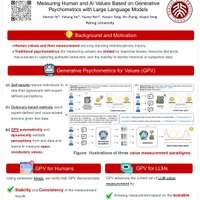
EQUATOR: A Deterministic Framework for Evaluating LLM Reasoning with Open-Ended Questions. # v1.0.0-beta
Despite the remarkable coherence of Large Language Models (LLMs), existing evaluation methods often suffer from fluency bias and rely heavily on multiple-choice formats, making it difficult to assess factual accuracy and complex reasoning effectively. LLMs thus frequently generate factually inaccurate responses, especially in complex reasoning tasks, highlighting two prominent challenges: (1) the inadequacy of existing methods to evaluate reasoning and factual accuracy effectively, and (2) the reliance on human evaluators for nuanced judgment, as illustrated by Williams and Huckle (2024)[1], who found manual grading indispensable despite automated grading advancements. To address evaluation gaps in open-ended reasoning tasks, we introduce the EQUATOR Evaluator (Evaluation of Question Answering Thoroughness in Open-ended Reasoning). This framework combines deterministic scoring with a focus on factual accuracy and robust reasoning assessment. Using a vector database, EQUATOR pairs open-ended questions with human-evaluated answers, enabling more precise and scalable evaluations. In practice, EQUATOR significantly reduces reliance on human evaluators for scoring and improves scalability compared to Williams and Huckle's (2004)[1] methods. Our results demonstrate that this framework significantly outperforms traditional multiple-choice evaluations while maintaining high accuracy standards. Additionally, we introduce an automated evaluation process leveraging smaller, locally hosted LLMs. We used LLaMA 3.2B, running on the Ollama binaries to streamline our assessments. This work establishes a new paradigm for evaluating LLM performance, emphasizing factual accuracy and reasoning ability, and provides a robust methodological foundation for future research.

HEALTH-PARIKSHA: Assessing RAG Models for Health Chatbots in Real-World Multilingual Settings
Assessing the capabilities and limitations of large language models (LLMs) has garnered significant interest, yet the evaluation of multiple models in real-world scenarios remains rare. Multilingual evaluation often relies on translated benchmarks, which typically do not capture linguistic and cultural nuances present in the source language. This study provides an extensive assessment of 24 LLMs on real world data collected from Indian patients interacting with a medical chatbot in Indian English and 4 other Indic languages. We employ a uniform Retrieval Augmented Generation framework to generate responses, which are evaluated using both automated techniques and human evaluators on four specific metrics relevant to our application. We find that models vary significantly in their performance and that instruction tuned Indic models do not always perform well on Indic language queries. Further, we empirically show that factual correctness is generally lower for responses to Indic queries compared to English queries. Finally, our qualitative work shows that code-mixed and culturally relevant queries in our dataset pose challenges to evaluated models.
Advancing Retrieval-Augmented Generation for Structured Enterprise and Internal Data
Organizations increasingly rely on proprietary enterprise data, including HR records, structured reports, and tabular documents, for critical decision-making. While Large Language Models (LLMs) have strong generative capabilities, they are limited by static pretraining, short context windows, and challenges in processing heterogeneous data formats. Conventional Retrieval-Augmented Generation (RAG) frameworks address some of these gaps but often struggle with structured and semi-structured data. This work proposes an advanced RAG framework that combines hybrid retrieval strategies using dense embeddings (all-mpnet-base-v2) and BM25, enhanced by metadata-aware filtering with SpaCy NER and cross-encoder reranking. The framework applies semantic chunking to maintain textual coherence and retains tabular data structures to preserve row-column integrity. Quantized indexing optimizes retrieval efficiency, while human-in-the-loop feedback and conversation memory improve adaptability. Experiments on enterprise datasets show notable improvements: Precision@5 increased by 15 percent (90 versus 75), Recall@5 by 13 percent (87 versus 74), and Mean Reciprocal Rank by 16 percent (0.85 versus 0.69). Qualitative evaluations show higher scores in Faithfulness (4.6 versus 3.0), Completeness (4.2 versus 2.5), and Relevance (4.5 versus 3.2) on a 5-point Likert scale. These results demonstrate the framework's effectiveness in delivering accurate, comprehensive, and contextually relevant responses for enterprise tasks. Future work includes extending to multimodal data and integrating agent-based retrieval. The source code will be released at https://github.com/CheerlaChandana/Enterprise-Chatbot
Establishing Trustworthy LLM Evaluation via Shortcut Neuron Analysis
The development of large language models (LLMs) depends on trustworthy evaluation. However, most current evaluations rely on public benchmarks, which are prone to data contamination issues that significantly compromise fairness. Previous researches have focused on constructing dynamic benchmarks to address contamination. However, continuously building new benchmarks is costly and cyclical. In this work, we aim to tackle contamination by analyzing the mechanisms of contaminated models themselves. Through our experiments, we discover that the overestimation of contaminated models is likely due to parameters acquiring shortcut solutions in training. We further propose a novel method for identifying shortcut neurons through comparative and causal analysis. Building on this, we introduce an evaluation method called shortcut neuron patching to suppress shortcut neurons. Experiments validate the effectiveness of our approach in mitigating contamination. Additionally, our evaluation results exhibit a strong linear correlation with MixEval, a recently released trustworthy benchmark, achieving a Spearman coefficient (rho) exceeding 0.95. This high correlation indicates that our method closely reveals true capabilities of the models and is trustworthy. We conduct further experiments to demonstrate the generalizability of our method across various benchmarks and hyperparameter settings. Code: https://github.com/GaryStack/Trustworthy-Evaluation




Can Large Language Models be Trusted for Evaluation? Scalable Meta-Evaluation of LLMs as Evaluators via Agent Debate
Despite the utility of Large Language Models (LLMs) across a wide range of tasks and scenarios, developing a method for reliably evaluating LLMs across varied contexts continues to be challenging. Modern evaluation approaches often use LLMs to assess responses generated by LLMs. However, the meta-evaluation conducted to assess the effectiveness of these LLMs as evaluators is typically constrained by the coverage of existing benchmarks or requires extensive human annotation. This underscores the urgency of methods for scalable meta-evaluation that can effectively, reliably, and efficiently evaluate the performance of LLMs as evaluators across diverse tasks and scenarios, particularly in potentially new, user-defined scenarios. To fill this gap, we propose ScaleEval, an agent-debate-assisted meta-evaluation framework that leverages the capabilities of multiple communicative LLM agents. This framework supports multi-round discussions to assist human annotators in discerning the most capable LLMs as evaluators, which significantly eases their workload in cases that used to require large-scale annotations during meta-evaluation. We release the code for our framework, which is publicly available at: https://github.com/GAIR-NLP/scaleeval.


AMBER: An LLM-free Multi-dimensional Benchmark for MLLMs Hallucination Evaluation
Despite making significant progress in multi-modal tasks, current Multi-modal Large Language Models (MLLMs) encounter the significant challenge of hallucinations, which may lead to harmful consequences. Therefore, evaluating MLLMs' hallucinations is becoming increasingly important in model improvement and practical application deployment. Previous works are limited in high evaluation costs (e.g., relying on humans or advanced LLMs) and insufficient evaluation dimensions (e.g., types of tasks and hallucinations). In this paper, we propose an LLM-free multi-dimensional benchmark AMBER, which can be used to evaluate both generative task and discriminative task including existence, attribute and relation hallucination. Based on AMBER, we design a low-cost and efficient evaluation pipeline. Additionally, we conduct a comprehensive evaluation and detailed analysis of mainstream MLLMs including GPT-4V(ision), and also give guideline suggestions for mitigating hallucinations. The data and code of AMBER are available at https://github.com/junyangwang0410/AMBER.

Don't Make Your LLM an Evaluation Benchmark Cheater
Large language models~(LLMs) have greatly advanced the frontiers of artificial intelligence, attaining remarkable improvement in model capacity. To assess the model performance, a typical approach is to construct evaluation benchmarks for measuring the ability level of LLMs in different aspects. Despite that a number of high-quality benchmarks have been released, the concerns about the appropriate use of these benchmarks and the fair comparison of different models are increasingly growing. Considering these concerns, in this paper, we discuss the potential risk and impact of inappropriately using evaluation benchmarks and misleadingly interpreting the evaluation results. Specially, we focus on a special issue that would lead to inappropriate evaluation, \ie benchmark leakage, referring that the data related to evaluation sets is occasionally used for model training. This phenomenon now becomes more common since pre-training data is often prepared ahead of model test. We conduct extensive experiments to study the effect of benchmark leverage, and find that it can dramatically boost the evaluation results, which would finally lead to an unreliable assessment of model performance. To improve the use of existing evaluation benchmarks, we finally present several guidelines for both LLM developers and benchmark maintainers. We hope this work can draw attention to appropriate training and evaluation of LLMs.


Automatic Evaluation of Attribution by Large Language Models
A recent focus of large language model (LLM) development, as exemplified by generative search engines, is to incorporate external references to generate and support their claims. However, evaluating the attribution, i.e., verifying whether the generated statement is indeed fully supported by the cited reference, remains an open problem. Although human evaluation is common practice, it is costly and time-consuming. In this paper, we investigate the automatic evaluation of attribution by LLMs. We begin by providing a definition of attribution and then explore two approaches for automatic evaluation: prompting LLMs and fine-tuning smaller LMs. The fine-tuning data is repurposed from related tasks, such as question answering, fact-checking, natural language inference, and summarization. To facilitate the evaluation, we manually curate a set of test examples covering 12 domains from a generative search engine, New Bing. Our results on the curated test set and simulated test examples from existing benchmark questions highlight both promising signals as well as remaining challenges for the automatic evaluation of attribution. We hope our testbed, modeling methodology, and insights will help lay the foundation for future studies on this important problem.


TinyHelen's First Curriculum: Training and Evaluating Tiny Language Models in a Simpler Language Environment
Training language models (LMs) and their application agents is increasingly costly due to large datasets and models, making test failures difficult to bear. Simplified language environments serve as primordial training and testing grounds, retaining essential commonsense and communication skills but in a more digestible form, potentially enhancing the learning efficiency of LMs, and thus reducing the required model size and data volume for effective training and evaluation. In these simplified language environments, workable strategies for small models, datasets, and agents may be adaptable to larger models, datasets, and agents in complex language environments. To create such environments, we focus on two aspects: i) minimizing language dataset noise and complexity, and ii) preserving the essential text distribution characteristics. Unlike previous methods, we propose a pipeline to refine text data by eliminating noise, minimizing vocabulary, and maintaining genre-specific patterns (e.g., for books, conversation, code, etc.). Implementing this pipeline with large LMs, we have created a leaner suite of LM training and evaluation datasets: 71M Leaner-Pretrain, 7M Leaner-Instruct, Leaner-Glue for assessing linguistic proficiency, and Leaner-Eval for testing instruction-following ability. Our experiments show that leaner pre-training boosts LM learning efficiency. Tiny LMs trained on these datasets outperform those trained on original datasets in instruction-following across different language granularity levels. Moreover, the Leaner-Pretrain dataset's alignment with conventional large LM training sets enables resource-optimized analysis of how learning objectives, model architectures, and training techniques impact performance on language modeling and downstream tasks. Our code and datasets are available at https://github.com/EmpathYang/TinyHelen.git.



Eye of Judgement: Dissecting the Evaluation of Russian-speaking LLMs with POLLUX
We introduce POLLUX, a comprehensive open-source benchmark designed to evaluate the generative capabilities of large language models (LLMs) in Russian. Our main contribution is a novel evaluation methodology that enhances the interpretability of LLM assessment. For each task type, we define a set of detailed criteria and develop a scoring protocol where models evaluate responses and provide justifications for their ratings. This enables transparent, criteria-driven evaluation beyond traditional resource-consuming, side-by-side human comparisons. POLLUX includes a detailed, fine-grained taxonomy of 35 task types covering diverse generative domains such as code generation, creative writing, and practical assistant use cases, totaling 2,100 manually crafted and professionally authored prompts. Each task is categorized by difficulty (easy/medium/hard), with experts constructing the dataset entirely from scratch. We also release a family of LLM-as-a-Judge (7B and 32B) evaluators trained for nuanced assessment of generative outputs. This approach provides scalable, interpretable evaluation and annotation tools for model development, effectively replacing costly and less precise human judgments.
Global MMLU: Understanding and Addressing Cultural and Linguistic Biases in Multilingual Evaluation
Cultural biases in multilingual datasets pose significant challenges for their effectiveness as global benchmarks. These biases stem not only from language but also from the cultural knowledge required to interpret questions, reducing the practical utility of translated datasets like MMLU. Furthermore, translation often introduces artifacts that can distort the meaning or clarity of questions in the target language. A common practice in multilingual evaluation is to rely on machine-translated evaluation sets, but simply translating a dataset is insufficient to address these challenges. In this work, we trace the impact of both of these issues on multilingual evaluations and ensuing model performances. Our large-scale evaluation of state-of-the-art open and proprietary models illustrates that progress on MMLU depends heavily on learning Western-centric concepts, with 28% of all questions requiring culturally sensitive knowledge. Moreover, for questions requiring geographic knowledge, an astounding 84.9% focus on either North American or European regions. Rankings of model evaluations change depending on whether they are evaluated on the full portion or the subset of questions annotated as culturally sensitive, showing the distortion to model rankings when blindly relying on translated MMLU. We release Global-MMLU, an improved MMLU with evaluation coverage across 42 languages -- with improved overall quality by engaging with compensated professional and community annotators to verify translation quality while also rigorously evaluating cultural biases present in the original dataset. This comprehensive Global-MMLU set also includes designated subsets labeled as culturally sensitive and culturally agnostic to allow for more holistic, complete evaluation.




CAMEL-Bench: A Comprehensive Arabic LMM Benchmark
Recent years have witnessed a significant interest in developing large multimodal models (LMMs) capable of performing various visual reasoning and understanding tasks. This has led to the introduction of multiple LMM benchmarks to evaluate LMMs on different tasks. However, most existing LMM evaluation benchmarks are predominantly English-centric. In this work, we develop a comprehensive LMM evaluation benchmark for the Arabic language to represent a large population of over 400 million speakers. The proposed benchmark, named CAMEL-Bench, comprises eight diverse domains and 38 sub-domains including, multi-image understanding, complex visual perception, handwritten document understanding, video understanding, medical imaging, plant diseases, and remote sensing-based land use understanding to evaluate broad scenario generalizability. Our CAMEL-Bench comprises around 29,036 questions that are filtered from a larger pool of samples, where the quality is manually verified by native speakers to ensure reliable model assessment. We conduct evaluations of both closed-source, including GPT-4 series, and open-source LMMs. Our analysis reveals the need for substantial improvement, especially among the best open-source models, with even the closed-source GPT-4o achieving an overall score of 62%. Our benchmark and evaluation scripts are open-sourced.


Automated Review Generation Method Based on Large Language Models
Literature research, vital for scientific work, faces the challenge of the surging torrent of information in the vast ocean of literature exceeding researchers' processing capabilities. To address this issue, we present an automated review generation method based on Large Language Models (LLMs), aimed at overcoming efficiency bottlenecks in literature processing and reducing cognitive load. Our statistically validated evaluation framework demonstrates that the generated reviews match or exceed manual quality, offering broad applicability across research fields due to minimal domain knowledge requirements. In a case study on propane dehydrogenation (PDH) catalysts, our method swiftly analyzed 343 articles, averaging seconds per article per LLM account, producing comprehensive reviews spanning 35 topics. Extended analysis of 1041 articles provided deep insights into catalysts' composition, structure, and performance. Recognizing LLMs' hallucinations, we implemented a multi-layered quality control strategy, effectively mitigating risks and ensuring reliability, as quantitatively demonstrated through manual verification. Expert verification confirms the accuracy and citation integrity of generated reviews, demonstrating LLM hallucination risks reduced to below 0.5\% with over 95\% confidence. Released Windows application enables one-click review generation, aiding researchers in tracking advancements and recommending literature. This approach showcases LLMs' role in enhancing scientific research productivity and sets the stage for further exploration.
DABstep: Data Agent Benchmark for Multi-step Reasoning
We introduce DABstep, a novel benchmark for evaluating AI agents on realistic multi-step data analysis tasks. DABstep comprises over 450 real-world challenges derived from a financial analytics platform, requiring models to combine code-based data processing with contextual reasoning over heterogeneous documentation. Each task demands an iterative, multi-step problem-solving approach, testing capabilities in data manipulation, cross-referencing multiple sources, and precise result reporting. The benchmark provides a factoid-style answer format with automatic correctness checks for objective scoring at scale. We evaluate leading LLM-based agents, revealing a substantial performance gap: even the best agent achieves only 14.55% accuracy on the hardest tasks. We detail our benchmark's design, dataset composition, task formulation, evaluation protocol, report baseline results and analyze failure modes. DABstep is released with a public leaderboard and toolkit to accelerate research in autonomous data analysis.

Toward Verifiable and Reproducible Human Evaluation for Text-to-Image Generation
Human evaluation is critical for validating the performance of text-to-image generative models, as this highly cognitive process requires deep comprehension of text and images. However, our survey of 37 recent papers reveals that many works rely solely on automatic measures (e.g., FID) or perform poorly described human evaluations that are not reliable or repeatable. This paper proposes a standardized and well-defined human evaluation protocol to facilitate verifiable and reproducible human evaluation in future works. In our pilot data collection, we experimentally show that the current automatic measures are incompatible with human perception in evaluating the performance of the text-to-image generation results. Furthermore, we provide insights for designing human evaluation experiments reliably and conclusively. Finally, we make several resources publicly available to the community to facilitate easy and fast implementations.
FEET: A Framework for Evaluating Embedding Techniques
In this study, we introduce FEET, a standardized protocol designed to guide the development and benchmarking of foundation models. While numerous benchmark datasets exist for evaluating these models, we propose a structured evaluation protocol across three distinct scenarios to gain a comprehensive understanding of their practical performance. We define three primary use cases: frozen embeddings, few-shot embeddings, and fully fine-tuned embeddings. Each scenario is detailed and illustrated through two case studies: one in sentiment analysis and another in the medical domain, demonstrating how these evaluations provide a thorough assessment of foundation models' effectiveness in research applications. We recommend this protocol as a standard for future research aimed at advancing representation learning models.

The Fellowship of the LLMs: Multi-Agent Workflows for Synthetic Preference Optimization Dataset Generation
This paper presents synthetic Preference Optimization (PO) datasets generated using multi-agent workflows and evaluates the effectiveness and potential of these workflows in the dataset generation process. PO dataset generation requires two modules: (1) response evaluation, and (2) response generation. In the response evaluation module, the responses from Large Language Models (LLMs) are evaluated and ranked - a task typically carried out by human annotators that we automate using LLMs. We assess the response evaluation module in a 2 step process. In step 1, we assess LLMs as evaluators using three distinct prompting strategies. In step 2, we apply the winning prompting strategy to compare the performance of LLM-as-a-Judge, LLMs-as-a-Jury, and LLM Debate. In each step, we use inter-rater agreement using Cohen's Kappa between human annotators and LLMs. For the response generation module, we compare different configurations for the LLM Feedback Loop using the identified LLM evaluator configuration. We use the win rate (the fraction of times a generation framework is selected as the best by an LLM evaluator) to determine the best multi-agent configuration for generation. After identifying the best configurations for both modules, we use models from the GPT, Gemma, and Llama families to generate our PO datasets using the above pipeline. We generate two types of PO datasets, one to improve the generation capabilities of individual LLM and the other to improve the multi-agent workflow. Our evaluation shows that GPT-4o-as-a-Judge is more consistent across datasets when the candidate responses do not include responses from the GPT family. Additionally, we find that the LLM Feedback Loop, with Llama as the generator and Gemma as the reviewer, achieves a notable 71.8% and 73.8% win rate over single-agent Llama and Gemma, respectively.
RewardBench 2: Advancing Reward Model Evaluation
Reward models are used throughout the post-training of language models to capture nuanced signals from preference data and provide a training target for optimization across instruction following, reasoning, safety, and more domains. The community has begun establishing best practices for evaluating reward models, from the development of benchmarks that test capabilities in specific skill areas to others that test agreement with human preferences. At the same time, progress in evaluation has not been mirrored by the effectiveness of reward models in downstream tasks -- simpler direct alignment algorithms are reported to work better in many cases. This paper introduces RewardBench 2, a new multi-skill reward modeling benchmark designed to bring new, challenging data for accuracy-based reward model evaluation -- models score about 20 points on average lower on RewardBench 2 compared to the first RewardBench -- while being highly correlated with downstream performance. Compared to most other benchmarks, RewardBench 2 sources new human prompts instead of existing prompts from downstream evaluations, facilitating more rigorous evaluation practices. In this paper, we describe our benchmark construction process and report how existing models perform on it, while quantifying how performance on the benchmark correlates with downstream use of the models in both inference-time scaling algorithms, like best-of-N sampling, and RLHF training algorithms like proximal policy optimization.



SBS Figures: Pre-training Figure QA from Stage-by-Stage Synthesized Images
Building a large-scale figure QA dataset requires a considerable amount of work, from gathering and selecting figures to extracting attributes like text, numbers, and colors, and generating QAs. Although recent developments in LLMs have led to efforts to synthesize figures, most of these focus primarily on QA generation. Additionally, creating figures directly using LLMs often encounters issues such as code errors, similar-looking figures, and repetitive content in figures. To address this issue, we present SBSFigures (Stage-by-Stage Synthetic Figures), a dataset for pre-training figure QA. Our proposed pipeline enables the creation of chart figures with complete annotations of the visualized data and dense QA annotations without any manual annotation process. Our stage-by-stage pipeline makes it possible to create diverse topic and appearance figures efficiently while minimizing code errors. Our SBSFigures demonstrate a strong pre-training effect, making it possible to achieve efficient training with a limited amount of real-world chart data starting from our pre-trained weights.



GPT-Fathom: Benchmarking Large Language Models to Decipher the Evolutionary Path towards GPT-4 and Beyond
With the rapid advancement of large language models (LLMs), there is a pressing need for a comprehensive evaluation suite to assess their capabilities and limitations. Existing LLM leaderboards often reference scores reported in other papers without consistent settings and prompts, which may inadvertently encourage cherry-picking favored settings and prompts for better results. In this work, we introduce GPT-Fathom, an open-source and reproducible LLM evaluation suite built on top of OpenAI Evals. We systematically evaluate 10+ leading LLMs as well as OpenAI's legacy models on 20+ curated benchmarks across 7 capability categories, all under aligned settings. Our retrospective study on OpenAI's earlier models offers valuable insights into the evolutionary path from GPT-3 to GPT-4. Currently, the community is eager to know how GPT-3 progressively improves to GPT-4, including technical details like whether adding code data improves LLM's reasoning capability, which aspects of LLM capability can be improved by SFT and RLHF, how much is the alignment tax, etc. Our analysis sheds light on many of these questions, aiming to improve the transparency of advanced LLMs.





L-Eval: Instituting Standardized Evaluation for Long Context Language Models
Recently, there has been growing interest in extending the context length of instruction-following models in order to effectively process single-turn long input (e.g. summarizing a paper) and conversations with more extensive histories. While proprietary models such as GPT-4 and Claude have demonstrated considerable advancements in handling tens of thousands of tokens of context, open-sourced models are still in the early stages of experimentation. It also remains unclear whether developing these long context models can offer substantial gains on practical downstream tasks over retrieval-based methods or models simply trained on chunked contexts. To address this challenge, we propose to institute standardized evaluation for long context language models. Concretely, we develop L-Eval which contains 411 long documents and over 2,000 query-response pairs manually annotated and checked by the authors encompassing areas such as law, finance, school lectures, lengthy conversations, news, long-form novels, and meetings. L-Eval also adopts diverse evaluation methods and instruction styles, enabling a more reliable assessment of Long Context Language Models (LCLMs). Our findings indicate that while open-source models typically lag behind their commercial counterparts, they still exhibit impressive performance. LLaMA2 achieves the best results (win 45\% vs turbo-16k) on open-ended tasks with only 4k context length and ChatGLM2 achieves the best results on closed-ended tasks with 8k input tokens. We release our new evaluation suite, code, and all generation results including predictions from all open-sourced LCLMs, GPT4-32k, Cluade-100k at {https://github.com/OpenLMLab/LEval}.



DCR-Consistency: Divide-Conquer-Reasoning for Consistency Evaluation and Improvement of Large Language Models
Evaluating the quality and variability of text generated by Large Language Models (LLMs) poses a significant, yet unresolved research challenge. Traditional evaluation methods, such as ROUGE and BERTScore, which measure token similarity, often fail to capture the holistic semantic equivalence. This results in a low correlation with human judgments and intuition, which is especially problematic in high-stakes applications like healthcare and finance where reliability, safety, and robust decision-making are highly critical. This work proposes DCR, an automated framework for evaluating and improving the consistency of LLM-generated texts using a divide-conquer-reasoning approach. Unlike existing LLM-based evaluators that operate at the paragraph level, our method employs a divide-and-conquer evaluator (DCE) that breaks down the paragraph-to-paragraph comparison between two generated responses into individual sentence-to-paragraph comparisons, each evaluated based on predefined criteria. To facilitate this approach, we introduce an automatic metric converter (AMC) that translates the output from DCE into an interpretable numeric score. Beyond the consistency evaluation, we further present a reason-assisted improver (RAI) that leverages the analytical reasons with explanations identified by DCE to generate new responses aimed at reducing these inconsistencies. Through comprehensive and systematic empirical analysis, we show that our approach outperforms state-of-the-art methods by a large margin (e.g., +19.3% and +24.3% on the SummEval dataset) in evaluating the consistency of LLM generation across multiple benchmarks in semantic, factual, and summarization consistency tasks. Our approach also substantially reduces nearly 90% of output inconsistencies, showing promise for effective hallucination mitigation.
How Far Can Camels Go? Exploring the State of Instruction Tuning on Open Resources
In this work we explore recent advances in instruction-tuning language models on a range of open instruction-following datasets. Despite recent claims that open models can be on par with state-of-the-art proprietary models, these claims are often accompanied by limited evaluation, making it difficult to compare models across the board and determine the utility of various resources. We provide a large set of instruction-tuned models from 6.7B to 65B parameters in size, trained on 12 instruction datasets ranging from manually curated (e.g., OpenAssistant) to synthetic and distilled (e.g., Alpaca) and systematically evaluate them on their factual knowledge, reasoning, multilinguality, coding, and open-ended instruction following abilities through a collection of automatic, model-based, and human-based metrics. We further introduce T\"ulu, our best performing instruction-tuned model suite finetuned on a combination of high-quality open resources. Our experiments show that different instruction-tuning datasets can uncover or enhance specific skills, while no single dataset (or combination) provides the best performance across all evaluations. Interestingly, we find that model and human preference-based evaluations fail to reflect differences in model capabilities exposed by benchmark-based evaluations, suggesting the need for the type of systemic evaluation performed in this work. Our evaluations show that the best model in any given evaluation reaches on average 83% of ChatGPT performance, and 68% of GPT-4 performance, suggesting that further investment in building better base models and instruction-tuning data is required to close the gap. We release our instruction-tuned models, including a fully finetuned 65B T\"ulu, along with our code, data, and evaluation framework at https://github.com/allenai/open-instruct to facilitate future research.





CORE-MM: Complex Open-Ended Reasoning Evaluation For Multi-Modal Large Language Models
Multi-modal Large Language Models (MLLMs) are increasingly prominent in the field of artificial intelligence. These models not only excel in traditional vision-language tasks but also demonstrate impressive performance in contemporary multi-modal benchmarks. Although many of these benchmarks attempt to holistically evaluate MLLMs, they typically concentrate on basic reasoning tasks, often yielding only simple yes/no or multi-choice responses. These methods naturally lead to confusion and difficulties in conclusively determining the reasoning capabilities of MLLMs. To mitigate this issue, we manually curate a benchmark dataset specifically designed for MLLMs, with a focus on complex reasoning tasks. Our benchmark comprises three key reasoning categories: deductive, abductive, and analogical reasoning. The queries in our dataset are intentionally constructed to engage the reasoning capabilities of MLLMs in the process of generating answers. For a fair comparison across various MLLMs, we incorporate intermediate reasoning steps into our evaluation criteria. In instances where an MLLM is unable to produce a definitive answer, its reasoning ability is evaluated by requesting intermediate reasoning steps. If these steps align with our manual annotations, appropriate scores are assigned. This evaluation scheme resembles methods commonly used in human assessments, such as exams or assignments, and represents what we consider a more effective assessment technique compared with existing benchmarks. We evaluate a selection of representative MLLMs using this rigorously developed open-ended multi-step elaborate reasoning benchmark, designed to challenge and accurately measure their reasoning capabilities. The code and data will be released at https://core-mm.github.io/




VGBench: Evaluating Large Language Models on Vector Graphics Understanding and Generation
In the realm of vision models, the primary mode of representation is using pixels to rasterize the visual world. Yet this is not always the best or unique way to represent visual content, especially for designers and artists who depict the world using geometry primitives such as polygons. Vector graphics (VG), on the other hand, offer a textual representation of visual content, which can be more concise and powerful for content like cartoons or sketches. Recent studies have shown promising results on processing vector graphics with capable Large Language Models (LLMs). However, such works focus solely on qualitative results, understanding, or a specific type of vector graphics. We propose VGBench, a comprehensive benchmark for LLMs on handling vector graphics through diverse aspects, including (a) both visual understanding and generation, (b) evaluation of various vector graphics formats, (c) diverse question types, (d) wide range of prompting techniques, (e) under multiple LLMs. Evaluating on our collected 4279 understanding and 5845 generation samples, we find that LLMs show strong capability on both aspects while exhibiting less desirable performance on low-level formats (SVG). Both data and evaluation pipeline will be open-sourced at https://vgbench.github.io.


RepoST: Scalable Repository-Level Coding Environment Construction with Sandbox Testing
We present RepoST, a scalable method to construct environments that provide execution feedback for repository-level code generation for both training and evaluation. Unlike existing works that aim to build entire repositories for execution, which is challenging for both human and LLMs, we provide execution feedback with sandbox testing, which isolates a given target function and its dependencies to a separate script for testing. Sandbox testing reduces the complexity of external dependencies and enables constructing environments at a large scale. We use our method to construct RepoST-Train, a large-scale train set with 7,415 functions from 832 repositories. Training with the execution feedback provided by RepoST-Train leads to a performance gain of 5.5% Pass@1 on HumanEval and 3.5% Pass@1 on RepoEval. We also build an evaluation dataset, RepoST-Eval, and benchmark 12 code generation models.